
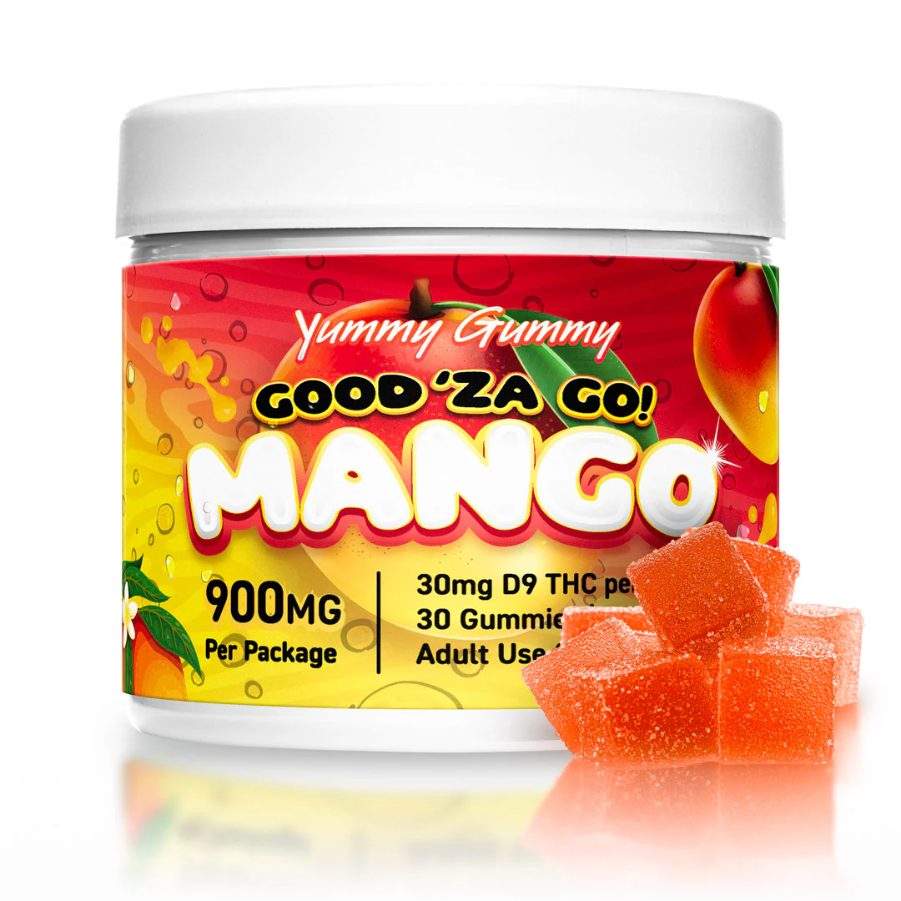
Selecting a THCA product does not always mean choosing one that has maximum potency or the best taste. The quality and properties of the products can be quite different since these products can vary depending on their genetics, cultivation, processing, formulations, and storage. In other words, even two products of the same advertised potency can be rather different in terms of their cannabinoid composition, taste, aroma, consistency, etc.
All this variety of options makes your purchasing decision rather complex. You will need to compare different product formats, evaluate the concentrations of cannabinoids, check laboratory testing, and study the production process and storage of the products. Additionally, you might need to pay attention not only to marketing but also to product descriptions to determine if you have all the necessary information to make the right choice. All these points can greatly facilitate your purchasing decision.
But then, what exactly influences the quality and properties of a THCA product? From genetics to laboratory testing, storage, and everything in between – this article covers five crucial factors.
1. Cannabinoid Profile and Product Form
If comparing THCA edibles with others, begin by looking behind the name of the product and the proclaimed potency of the product. As mentioned above, the cannabinoid profile may have an effect on the product's properties. In fact, THCA is the precursor of THC, which will turn into THC when exposed to heat. Such a process is called decarboxylation.
Thus, the amount and kind of cannabinoids may affect the way the product is formulated and described. However, the potency does not mean the quality in full measure because format also should be taken into consideration since flower, concentrate, vape, and edible products will be formulated in various ways.
In the case of edibles, it is necessary to ensure uniform distribution of the cannabinoids in the finished product. Other factors like flavoring, texture, portion size, and other ingredients may also affect the end result. Thus, when choosing the product, pay attention to both cannabinoid profile and format.
2. Cultivation and Plant Genetics
The quality of the THCA product starts with the genetic makeup of the cannabis plant. The genetics will affect how much THCA one cannabis plant produces but will also be responsible for the terpenes, aroma, taste, look, and many other features. In this case, the genetics serve as a starting point for creating the product.
Cultivation techniques are another thing that influences how the genetics affect the final result. Lighting, temperature, humidity, nutrient levels, watering, and harvesting periods will affect the cannabinoid and terpene production. Minor changes in cultivation processes can become a cause of differences between different batches.
The harvest period is especially important when one wants to create the desired cannabinoids. Trichome maturity and lab tests can be used to estimate whether the plants are ready for harvesting. Thus, standard cultivation techniques create more predictable results, while genetic differences and differences in cultivation can lead to variations in the products.
3. Extraction and Processing Methods
The second factor that comes into play after harvesting a plant is its processing. The way a product is processed can be as critical as the quality of its raw material because different ways of extraction and manufacturing affect the levels of cannabinoids, preservation of terpenes, taste, consistency, and texture of a cannabis product.
There are different criteria for each type of cannabis product, and, accordingly, the processes of production are different for each product form. For instance, concentrates require precise extraction and purification; edibles, on the other hand, need proper composition and equal distribution of cannabinoids. Additionally, ingredients used to produce edibles can have an impact on taste and consistency of the product.
It is especially important to have control over the manufacturing process when several products of the same type are made. This way, there will be fewer discrepancies between the cannabinoid levels of each particular item.
4. Laboratory Testing and Quality Control
THCA product analysis through laboratory testing also serves as a practical means of evaluation. Packaging and description can be helpful in obtaining information about the product; however, laboratory tests can add additional information about the contents of a product and become an important aspect in comparing various options.
A certificate of analysis, or COA, can provide data regarding the amounts of cannabinoids, as well as results of other tests. Depending on the testing program, products can be tested for possible contaminants, such as pesticide residues, heavy metals, microbes, and residual solvents. Examining these results will help you understand the composition of a product.
When reviewing a COA, make sure that it is related to the particular product/batch that you are analyzing. The results of cannabinoid testing, the date of testing, and the type of analysis will be among the information that you need to review. A product with available laboratory documentation has more information about itself than just quality claims.
5. Storage, Freshness and Stability
Quality isn’t only related to production. Storage of the THCA products may impact their properties over time as well. For instance, heat, light, oxygen, and humidity may have an effect on cannabinoids and other compounds used in products, thus altering the properties of the product in question, which include its strength, texture, taste, and freshness.
This is especially true about storage of edibles. Too much heat may lead to softening or melting of gummies or similar products, whereas humidity will change the texture of the product. However, long-term exposure to air and light may also alter the properties of cannabinoids. Sealing of products, protection from heat, direct sunlight, and moisture will therefore ensure that your products maintain the intended properties.
It’s also recommended that you follow the storage recommendations provided by the manufacturer and adhere to expiry/best-by dates when indicated. Don’t store your products in vehicles exposed to too much heat, don’t leave products near the window, etc. Thus, appropriate storage of the product will ensure that its properties are maintained at the intended levels.
What Really Shapes Quality?
There are various reasons that contribute to the nature and features of the THCA products. The initial stage is determined by plant genetics and the cultivation process. Processing and formulation are responsible for the finished product. Testing in a lab may give you some valuable data concerning the concentration of the cannabinoids and the quality control process in general, whereas proper storage may help to keep all the desired features of the product.
Thus, it is reasonable to take into account all the features of the product instead of taking notice of a particular one like potency. You should take into account the information about cannabinoids, product type, cultivation and processing process, results of testing in the lab, and storage conditions.