
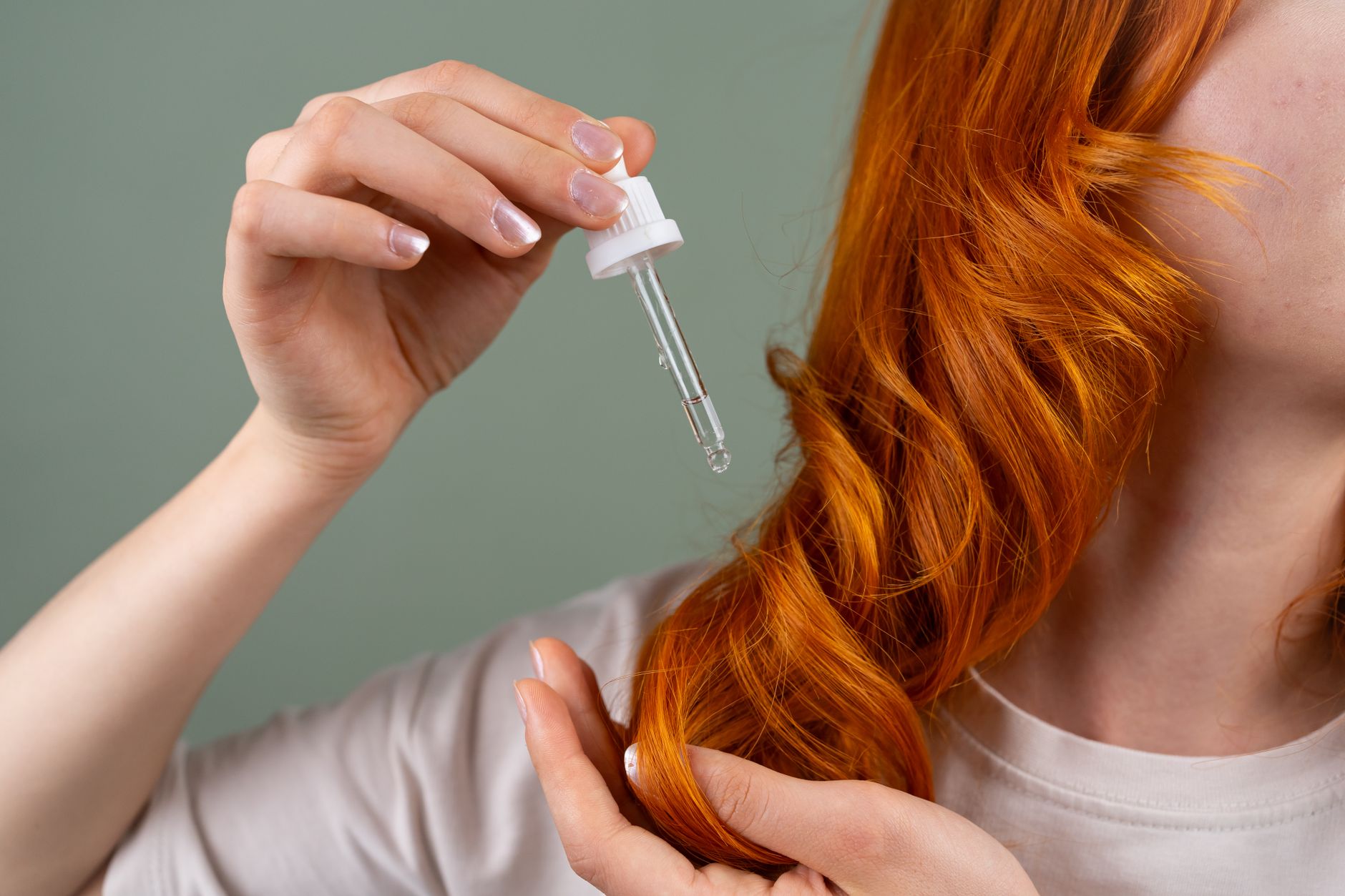
Why Everyday Styling Habits Matter
Dry, brittle, frizzy, or breakage-prone hair rarely has a single cause—it’s usually the result of heat, chemical processing, friction, tension, and rough handling working together over time. Understanding how hair actually responds to heat, moisture, tension, and friction puts readers in a better position to choose a hair dryer or hair styler that fits their needs. Healthy styling isn’t about swearing off tools and products altogether—it’s about cutting out unnecessary stress and tailoring your technique to your hair’s condition and texture.
Key takeaway: The safest styling routine relies on the lowest effective heat, the shortest practical exposure time, and as little repeated manipulation as possible.
Understanding What Causes Hair Damage
The Structure of the Hair Shaft
Each strand of hair has an outer cuticle layer that shields the inner cortex, where much of its strength and moisture reside. The dryness, roughness, and split ends we tend to notice usually trace back to damage in this shaft. Ongoing shedding or scalp symptoms, on the other hand, can signal something different and are worth a professional look. It also helps to tell breakage—the shaft itself snapping—apart from shedding, which is simply hair releasing naturally from the follicle.
Common Sources of Everyday Stress
A handful of everyday factors tend to add up over time:
- Heat from blow-drying, straightening, or curling
- Chemical treatments like bleaching, coloring, or relaxing
- Mechanical stress from vigorous towel-drying or tight hairstyles
- Environmental exposure to sun, dry air, chlorine, or salt water
Dermatology guidance consistently points out that excessive heat and repeated tension raise the risk of breakage.[1][3]
Preparing Hair Before Styling
Blot out excess water gently rather than rubbing—wet hair is more fragile and deserves a lighter touch. When you have the time, let hair partially air-dry before reaching for any heat tool. To detangle, use a wide-tooth comb or a gentle brush, starting at the ends and working your way up; curly or textured hair often detangles more easily while it’s still damp and conditioned. Conditioner cuts down on friction during combing, and heat-protective products can ease some of the stress of styling, though they won’t make unlimited heat exposure risk-free. Stick to the instructions on the label rather than applying more than you actually need.
Choosing a Lower-Stress Styling Routine
Use the Lowest Effective Temperature
High heat strips moisture and weakens the cuticle. It’s worth starting on a low or medium setting and only turning things up if you genuinely need to. Thicker or coarser hair may call for a bit more heat, but the principle stays the same: use the least amount that still gets the job done. There’s no single “safe” temperature that applies across the board, since so much depends on hair condition, moisture level, and the tool itself.
Reduce Exposure Time and Repetition
Keep the tool moving rather than letting it linger over one section, and try to avoid going over the same strand again and again. Working in manageable sections, then letting hair cool before reshaping it, cuts down on stress that doesn’t need to happen. Dermatologists generally recommend reaching for heated tools less often and dialing down the settings whenever you can.[1][3][8]
Match the Technique to the Goal
When drying, remove as much excess moisture as possible first and direct the airflow along the hair rather than against the cuticle. When smoothing, work in controlled sections and avoid pulling too hard. For curls, fewer repeated passes go a long way. For volume, a brief focus on the roots beats overheating the same spot repeatedly. In many cases, technique matters just as much as the tool doing the work.
Adjusting Care for Different Hair Types and Conditions
Fine hair tends to do better with lower heat and shorter styling sessions. Curly or coiled hair needs extra attention to moisture retention and a gentler hand overall. Thick hair benefits more from sectioning than from cranking up the heat. Color-treated hair is especially prone to dryness, and hair that’s already damaged needs less frequent heat exposure along with more conditioning. Tight hairstyles worn day after day can contribute to hair loss over time and should be loosened right away if they start to hurt.[7]
Habits That Can Undermine Hair Health
Some common pitfalls: brushing too often, rubbing wet hair with a rough towel, applying high heat to damp hair with tools that aren’t built for it, wearing tight styles nonstop, and layering chemical treatments on top of one another. Split ends, once they happen, can’t be undone by any product—trimming is the only real fix. When in doubt, lean on verified dermatology advice rather than “repair” claims that sound too good to be true.[1][7][8]
Practical Scenarios
A typical weekday routine might look like this: blot hair, let it air-dry partway, apply a light conditioning product, then style briefly with low heat. Before a special occasion, giving yourself extra time helps you avoid reheating the same sections over and over. Color-treated hair holds up better with less frequent heat and steady conditioning, while curly hair often needs only minimal handling between washes. And if breakage has already set in, stepping back from high-heat styling and tight styles for a while gives hair room to recover.
| Styling Habit | Potential Concern | Lower-Stress Alternative |
| High heat daily | Cuticle weakening, dryness | Lowest effective heat, fewer sessions |
| Rubbing wet hair with towel | Friction, breakage | Gentle blotting |
| Tight ponytails/braids | Tension, traction stress | Looser styles, rotate placement |
| Repeated heat passes | Cumulative shaft damage | Single controlled pass per section |
When Professional Advice Is Needed
It’s time to see a dermatologist if you notice sudden hair loss, thinning that persists even after you’ve eased up on styling, scalp pain or sores, or breakage accompanied by changes in the scalp itself. Styling-related breakage and medically driven hair loss can look deceptively similar, but they call for different responses—so it’s best to check with a dermatology organization rather than trying to diagnose the issue yourself online.
Building a Lower-Damage Routine
Handle wet hair with care, give it time to air-dry when you can, stick to the lowest effective heat, cut back on repeated passes, go easy on tight styles, and adjust your approach based on your hair’s texture and chemical history. Try changing just one habit at a time, watch how your hair responds over the following sessions, and adjust from there. In the end, healthier hair comes down to consistent, lower-stress habits—not any single tool or miracle product.