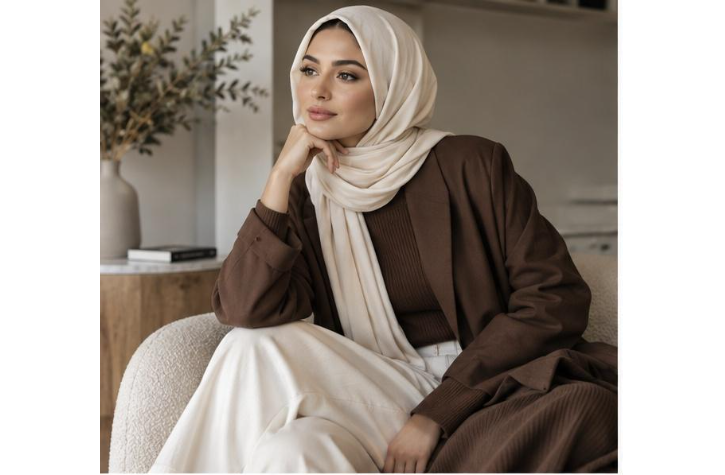
The Finishing Touch Is Often the Most Important One
There is a point in getting dressed when the main decisions are already made. The trousers are on, the shirt works, the jacket is right. Yet the outfit can still feel unfinished.
That is usually where accessories come in.
A belt can give shape to a relaxed outfit. A watch can make a simple combination feel more considered. A bag can change the mood of an otherwise familiar look. Even something as small as a scarf can add colour, texture, or movement without requiring a complete wardrobe change.
The useful thing about accessories is that they let you change the character of clothes you already own. You do not need a new outfit every time you want to look different. Sometimes, you only need a different finishing touch.
Start With the Clothes You Actually Wear
Before buying more accessories, pay attention to the clothes that already make up most of your week.
Maybe your wardrobe is built around tailored trousers and shirts. Maybe you live in denim, knitwear, and relaxed jackets. Or perhaps your style leans toward long skirts, flowing layers, and modest silhouettes.
Accessories work best when they support that reality.
If you wear neutral clothing most days, a leather belt, structured bag, or patterned scarf can introduce contrast. If your clothes already have strong colours or prints, quieter accessories can give the eye somewhere to rest.
The goal is not to accessorise every inch of an outfit. It is to make a few deliberate choices.
Use Accessories to Change Proportion
Accessories can do more than add decoration. They can change how an outfit looks as a whole.
A belt can define the waist of a loose dress or add structure to a long cardigan. A longer necklace can create a vertical line against a simple top. A structured handbag can balance softer clothing. A scarf worn loosely around the neck can add movement to a tailored jacket.
For modest dressing, proportion is especially useful because layering is often part of the outfit. A lightweight outer layer, a longline shirt, or a flowing skirt can look very different depending on what you add around it.
Think of accessories as tools for balancing the outfit rather than simply adding more pieces.
Let One Detail Do the Talking
One of the easiest styling mistakes is trying to make every accessory noticeable at once.
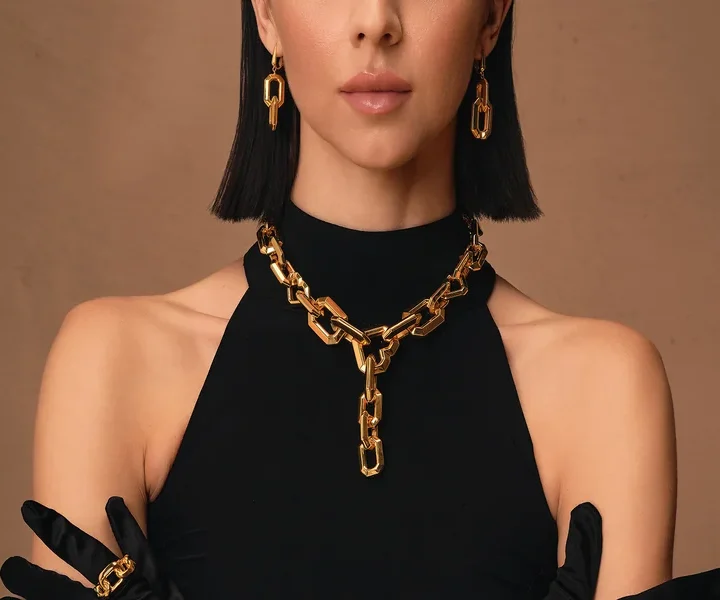
A statement bag, bold jewellery, patterned scarf, oversized sunglasses, and eye-catching shoes may each look great individually. Together, they can compete.
Instead, choose one detail to lead.
If the bag is interesting, keep the jewellery simple. If you are wearing a colourful scarf, let the rest of the outfit stay relatively quiet. If the shoes are the feature, there is no need for another statement piece fighting for attention.
This approach also makes getting dressed faster. You know what the focal point is before you start adding anything else.
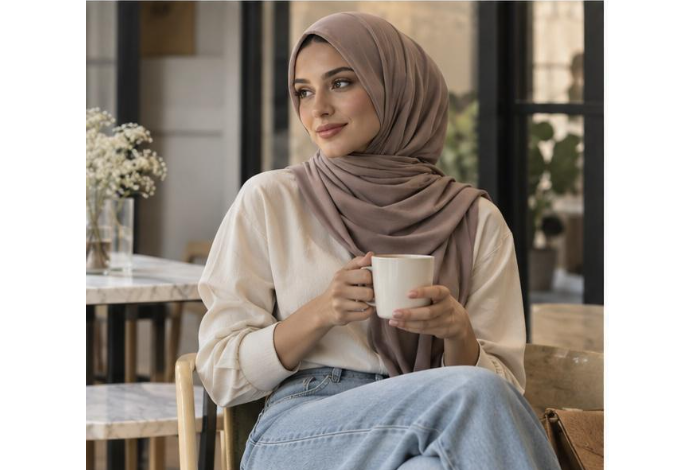
Colour Is an Easy Way to Refresh Basics
Accessories are one of the safest places to experiment with colour.
A neutral outfit can take on a completely different feel with a burgundy bag, olive scarf, chocolate-brown belt, or deep blue shoes. You can also create a softer look by keeping everything within the same colour family.
For hijabi wardrobes, the hijab itself naturally becomes one of the most useful colour accessories. A neutral outfit paired with a dusty rose or muted green hijab can feel very different from the same outfit styled with black or ivory.
If you are unsure about colour, start with shades that already appear in your wardrobe. The easiest colours to wear are often the ones you already reach for.
Texture Makes Simple Outfits More Interesting
Colour gets most of the attention, but texture can be just as effective.
A smooth blouse with a woven bag feels different from the same blouse paired with a soft knit scarf. A structured leather accessory can sharpen a relaxed outfit, while a softer fabric can make tailoring feel less formal.
This is particularly useful when you prefer neutral dressing. When an outfit is mostly beige, cream, black, grey, or brown, varying the textures keeps it from looking flat.
The trick is subtle contrast. You do not need five different textures. Two or three that work together are usually enough.
Build a Small Accessory Rotation
You do not need a large collection of accessories to have plenty of styling options.
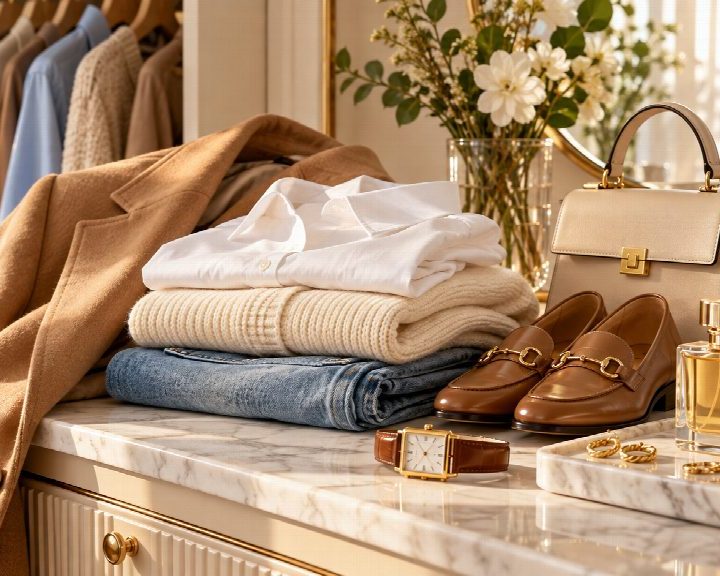
A practical rotation might include one everyday bag, one more structured bag, a simple belt, a watch or understated jewellery, a versatile scarf, and a pair of shoes that can dress an outfit up or down.
For a hijabi wardrobe, add a small selection of hijabs in colours you genuinely wear, plus the accessories that help you style them comfortably. Fabric matters here too. A grippy bamboo jersey can be useful for everyday outfits, while modal, chiffon, or satin can change the feel of a more polished look.
For a deeper overview of fabrics, styling, and useful accessories, see this bamboo jersey hijabs can be a practical choice for everyday outfits.
complete guide to hijab fabrics and accessories
Think About the Occasion
The same accessory can feel completely different depending on where you are going.
For work, clean lines and understated details usually make sense. A structured bag, simple watch, and neat scarf can make an outfit feel finished without becoming distracting.
For weekends, there is more room for texture and relaxed shapes. A soft scarf, crossbody bag, or casual trainers can make tailored pieces feel less formal.
For dinners or special occasions, shine and texture can take centre stage. Satin, polished metal, delicate jewellery, or a more distinctive handbag can elevate a familiar base outfit.
Accessories are most effective when they fit the setting rather than simply following a trend.
Buy Fewer Pieces, But Make Them Useful
It is easy to accumulate accessories because each one feels like a small purchase. The problem appears later, when the drawer is full but you still reach for the same two or three pieces.
A better approach is to ask a simple question before buying: How many outfits can I imagine wearing this with?
If the answer is one, it may be an impulse purchase. If you can immediately think of jeans, work trousers, a long dress, a weekend outfit, and a more formal look, it is more likely to earn its place.
Versatility does not mean boring. It simply means an item has more than one job.
The Best Accessories Still Feel Like You
Good styling should not make you feel as though you are wearing someone else’s wardrobe.
Accessories are useful because they give you room to show personality without rebuilding your entire closet. Someone else might choose a classic watch and leather tote. You might prefer colourful scarves and sculptural jewellery. Another person may keep everything minimal.
There is no need to copy a particular formula.
The most useful accessory is usually the one that makes an outfit feel more like your own. Once you know which colours, textures, and shapes you naturally reach for, getting dressed becomes much easier.
A strong wardrobe is not necessarily a large one. It is a wardrobe where the pieces work together — and where the smallest details can make familiar clothes feel new again.