That old gold chain in your drawer is worth less than you think at one counter and more than you expect at another. Same item. Same day. Different number. I’ve watched a friend take a $40 offer on a ring that a second shop paid $210 for. The gap wasn’t luck. It was pricing math, and nobody had explained it to him.
Here’s the deal: a pawnshop isn’t a buyer in the way a jewelry store is a buyer. It’s a short-term lender that happens to also resell things. Once you understand which side of that ledger your item lands on, you stop guessing and start negotiating. I’d take a loan over a sale on almost anything I might want back, and I’ll show you why.
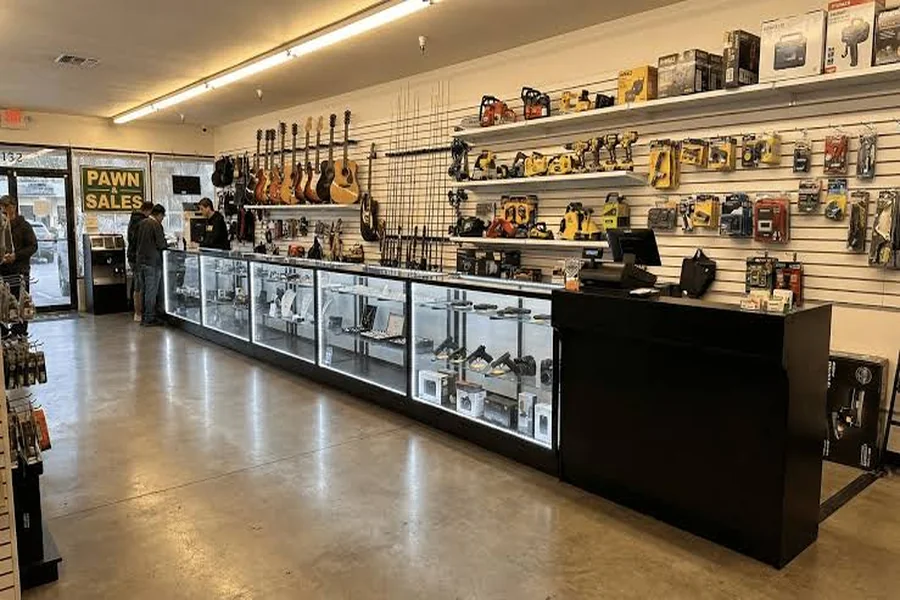
If you live in the Valley, the practical version is to know your options before you commit. A reputable pawn shop in Phoenix, AZ will tell you upfront whether it’s lending against your item or buying it, and those are two very different offers. Ask which one you’re getting. The answer changes everything that follows.
The two offers behind every counter
Most first-timers hear “we can give you $150” and assume that’s the item’s value. It isn’t. That number is one of two things:
- A loan. You hand over collateral, get cash, and pay it back with interest and fees to reclaim your item. The pawnshop keeps it if you don’t.
- An outright purchase. You sell it and walk away. The shop now owns the resale risk.
Loans usually carry a lower cash number than a sale, because the shop only earns interest if you come back, and it has to hold your item for the whole loan term. A sale number is higher because the shop’s margin is baked into what it can resell for. Neither is a scam. They’re just different products. Ask for both figures before you agree to either. I’ve never had a shop refuse.
What actually moves your number
Four things drive the offer, and only one of them is about what you originally paid. That receipt from 2016? The counter doesn’t care.
Resale demand. A shop prices against what it can realistically flip your item for in weeks, not months. Tools, game consoles, and mid-tier laptops move fast. A niche collector’s item might sit for a year, so the offer drops. Bring the charger, the case, the box. Complete beats incomplete every time.
Verifiable condition. Screens with dead pixels, watches that don’t run, and gold that’s been repaired all get discounted because the shop eats the repair cost. Be honest about flaws. Catching a hidden defect later is the fastest way to watch an offer evaporate.
Metal weight and purity. For gold and silver, the math is mostly weight times spot price times purity, minus a margin. Spot price moves daily, so check it the morning you go in. The World Gold Council is the recognized authority on gold market structure, and a quick look at its published data tells you whether you’re walking in on a strong day. Don’t expect full spot. Expect a fair percentage below it, and ask what that percentage is.
Paperwork. ID, and in many states a thumbprint and a recorded description of the item. That’s a legal requirement, not a sign of suspicion. If you’re curious about what a lender can and can’t do with your information, the Commodity Futures Trading Commission doesn’t cover pawnshops, but consumer protection agencies publish plain guidance on how lending disclosures should work, and it’s worth a skim before you sign anything.
A five minute walkthrough you can run before you leave the house
This is the part I wish someone had handed my friend. It takes less time than scrolling a marketplace app.
- Find three closed sale prices, not asking prices. Filter your item to “sold” listings. Asking prices are fiction.
- Weigh your gold. A kitchen scale in grams gets you close enough. Multiply by purity (14k is roughly 58 percent gold, 18k roughly 75 percent).
- Gather the accessories. Cords, cases, manuals, the second battery. Ten minutes of hunting can add real dollars.
- Ask for both numbers. Loan value and buyout value. Write them down.
- Visit two shops. Not five. Two gives you a real range without burning an afternoon.
If a shop won’t explain how it got to its number, that’s your answer about whether to stay. The good ones walk you through it.
Why I’d take the loan, most of the time
Here’s my honest stance, and it’s not the popular one. If the item has any sentimental weight, take the loan. A ring from your grandmother can be redeemed. A ring you sold is gone.
The catch is discipline. Loan terms usually run in fixed windows, and if you miss the window, you lose the collateral, full stop. Set a calendar reminder for a week before the due date, not the day of.
Nobody at the counter is going to chase you, and the fine print on most agreements is unforgiving. According to the Bureau of Labor Statistics, retail and resale work draws a steady stream of workers who move between shops, which means staff turnover is normal and your friendly appraiser may not be the person handling your renewal. Get the terms in writing.
Where a sale wins: things you genuinely don’t want, like an old laptop you replaced or tools you’ve upgraded. Take the cash and clear the space.
One thing most counters will do that you should ask about
Layaway. A lot of shops let you put a down payment on an item and pay the rest over a few months with no interest, and almost nobody asks. If there’s a piece you actually want to buy, bring it up. The structure varies a lot between shops, and some charge restocking fees if you cancel. Ask before you put money down. I’ve seen people save meaningful money this way on watches and instruments simply because they asked a question the person ahead of them didn’t.
What to expect when you walk in
Bring your ID, your item, and your paperwork if you have it. Expect a wait on weekends. Expect the appraiser to test things in front of you, which is a good sign. Expect a number within minutes.
You’re not there to accept the first offer, and you’re not there to argue, either. You’re there to know what your item is worth before someone tells you. That one habit is the whole game.
So check the spot price, weigh the chain, and ask for both numbers. Then tell me: what’s sitting in your drawer right now that you’ve never actually priced?