Introduction
Neck pain, stiffness, minor injuries as well as poor posture can literally make the daily activities quite uncomfortable. This is why a cervical collar can actually be useful as it is particularly designed to provide support to the cervical spine along with limiting unnecessary neck movement. However, it is also important to choose the right cervical collar.
Using the wrong neck collar may actually not provide the desired support and can even increase the neck pain. But, with so many designs of neck braces available in the market, knowing which one is appropriate for you may be quite complicated.
Therefore, in this guide we will discuss the top features you should need to consider before purchasing along with when to seek professional guidance that assist you to pick the right brace as per your needs.
Understand Why You Need a Cervical Collar
The first step is actually to understand the reason for using a neck collar. Because different collars are designed to provide different levels of support.
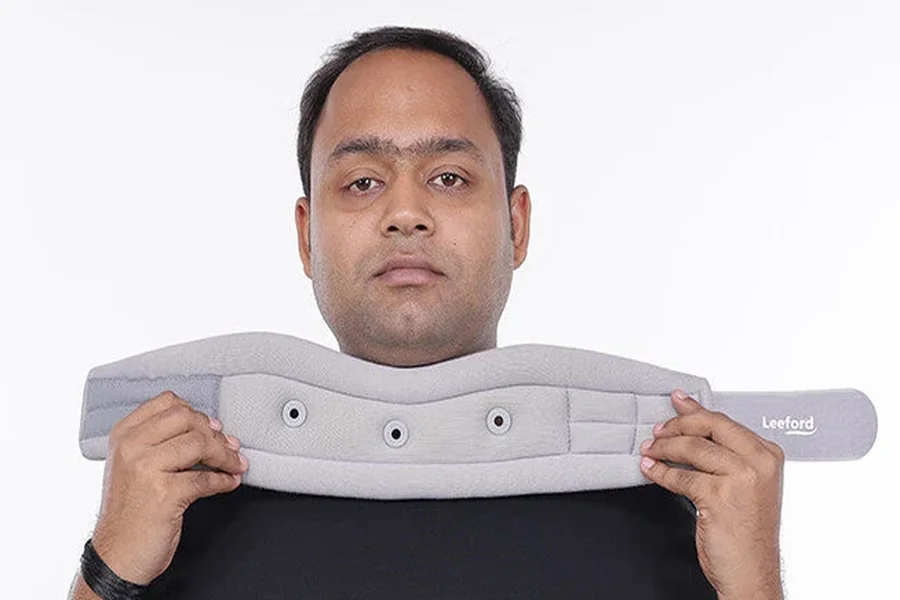
Soft cervical collars are particularly designed for mild neck discomfort or stiffness. They are flexible and fully allow some movement while offering support.
Rigids of hard cervical collars are especially made to limit the extreme neck movement. They are appropriate when you are recovering from a neck injury or need immobilization of the neck.
If you have experienced a serious injury such as an accident or a spinal injury, then you should not pick the collar on your own. A qualified professional should actually determine whether a neck brace is appropriate and what type is required.
Choose the Correct Size
A neck belt should fit comfortably around the neck without causing any discomfort. The majority of collars are available in different sizes while some even have adjustable features.
To pick the right size, you should follow the manufacturer’s measurements instructions. Based on the product, you may need to measure the distance between jaw and shoulder or even the circumference of the neck.
A collar that is too tight may cause discomfort, excessive stress as well as difficulty in swallowing. In contrast, a too loose brace may not provide the desired support.
Consider the Level of Support
Not everyone requires the same amount of neck support. This is why you should think whether you need gentle or significant restriction of movement. The following table provides a quick overview of different support levels provided by different brace types.
| Collar Type | Support Level | Movement Allowed | Best Used For |
| Soft Cervical Collar | Light | Cushion the neck, allows most bending or turning | Relieving pressure from minor muscle pulls, everyday stress |
| Rigid Neck Collar | Firm | Block the head from tilting forward, backward, or sideways | Significant injuries like severe whiplash or bone cracks |
| Philadelphia Collar | Maximum | Entirely lock the head and neck into a neutral position | Major trauma or healing after a spinal fusion surgery |
Look For Comfortable Materials
Since, a neck belt may actually stay in contact with the skin for prolonged periods of time which is why the material becomes a crucial factor.
You should look for features like:
- Soft, skin friendly padding
- Breathable materials
- Remains secure without causing discomfort
- Moisture wicking or washable fabrics
- Smooth edges
Good padding can eventually reduce the pressure points around the jaw, shoulders as well as neck. However, if you have sensitive skin, you should focus more on the fabric. The collar should feel against the skin without causing painful stress.
Think About Your Daily Activities
Your lifestyle can actually influence which collar is appropriate for you. Below table gives a quick snapshot of neck collars.
| Collar Type | Daily Activity Compatibility | Best Suited For | Avoid These |
| Soft Neck Brace | Highly Flexible | Office work, light chores or watching TV | Exercise or heavy lifting |
| Rigid Cervical Collar | Moderately Restrictive | Resting or walking short distances carefully | Driving (blocks blind spots), bending down |
| Philadelphia Collar | Strictly Restrictive | Sleeping safely or lying flat | Any independent physical chores |
However, you should not pick a less supportive collar just because it is more convenient than the one that your doctor has suggested.
Durability and Ease of Cleaning Matter
A neck collar should be durable enough for its intended use. You should fully check the quality of materials, fastening systems along with overall construction before picking one.
Hygiene is also very crucial because the collar can literally accumulate sweat and other impurities which can contribute to skin irritation or related problems. A design having a removable or washable cover can be easier to maintain. While quick drying fabric can be useful if you plan to use it for a longer period.
Moreover, regular cleaning is important which is why follow the manufacturer’s provided washing instructions to avoid any damage to the collar.
When Should You Consult a Doctor?
Neck pain may actually have several causes ranging from muscle strain to conditions involving the nerves or spine. A cervical collar is not the solution for every type of neck discomfort.
For that reason, you should seek medical evaluation if your neck pain follows an accident, or experiencing symptoms such as numbness, tingling, weakness around the neck or difficulty in swallowing.
A healthcare professional can literally assess the underlying cause of your neck discomfort while also assisting you in determining whether a cervical collar is appropriate for you.
The Bottom Line
Choosing the right cervical collar can be pretty complicated as it is more than just picking the expensive or supportive looking product. An ideal neck belt should literally match your specific needs, offers the right level of support, right fit along with remains comfortable for its intended use.
Most importantly, you should not use a collar as a replacement for any medical treatment or diagnosis. So, if you experience severe, persistent neck pain or neurological symptoms then you should immediately consult with a medical professional who will identify the underlying reason of the pain and determine whether a neck collar is appropriate for you or not.