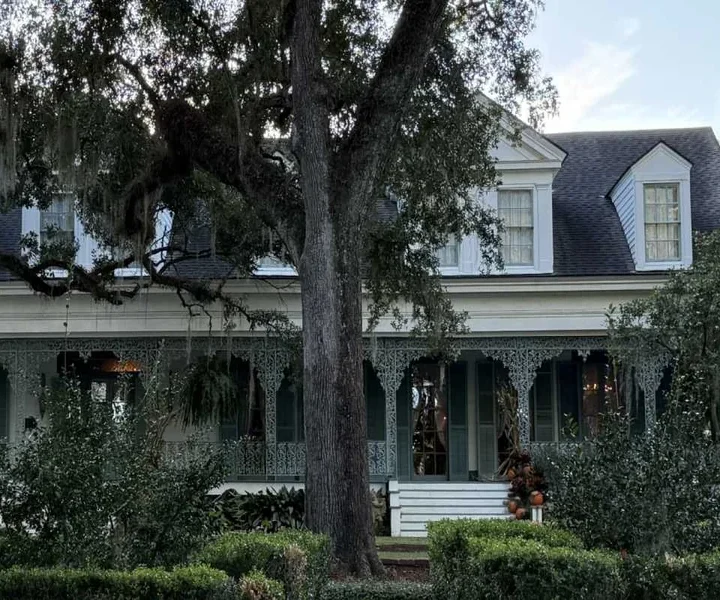
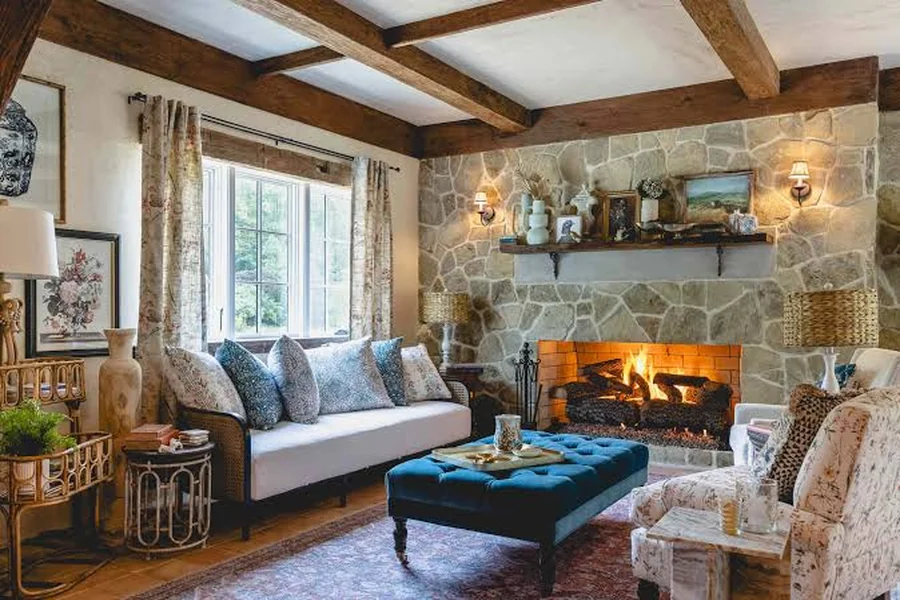
When it comes to design, the past is often a reliable guide to what’s going to succeed in the future. The fluted columns of a Romanesque church; the ornate prongs that hold a diamond engagement ring together; the sweeping Bezier curve of a classic car’s chassis: all of these things have proven themselves over time, and even now they’re constantly being rediscovered, recombined and revitalised by new designers.
Whether you’re looking to refurbish an interior, or invest in a new accessory, like a watch, the chances are that you’ll find plenty of inspiration in the vintage market.
The Enduring Appeal of Classic Design Principles
Good, effective design is often a highly generalised thing. Whether we’re talking about a building, a vehicle, or an item of clothing, we’re constrained by human perception and the human sense of style. Balancing large and small, dark and light. Knowing when to keep things symmetrical. Picking out materials that will last the distance.
Many of the products that we now think of as cutting-edge actually take their cue from principles that are decades, or even centuries, old.
Why Heritage and Storytelling Matter to Modern Consumers
Modern consumers often want reassurance that they’re buying into a prestigious brand. This is a way of signalling status to other people, and reassuring yourself that the investment is not going to fall apart after a few years. Established designs tend to be richer in connotation than gimmicky, trendy ones. If you look at the columns at the entrance of a cathedral, for example, then you might immediately think of order, authority, and the classical traditions of Greece and Rome.
The Growing Appreciation for Vintage and Pre-Owned Luxury
The pre-owned market for wristwatches is booming. The selection is vast, and there are plenty of amazing designs to choose from. The timepieces on offer might even be inspired by the innovations of the past, which have been recombined with modern materials and quality-of-life features. Second-hand Omega watches are a great example.
How Vintage Influences Continue to Shape Modern Watch Design
Contemporary watchmakers often start from a template that includes several essential elements. The layout of the dials might be very similar across an entire range, and every brand might have its own favoured typography and colour palettes. Consistency here is what might reassure the customer, and protect the resale value of the watch going forward.
On the other hand, some of the more valuable and interesting vintage designs are the ones that choose deliberately to break with convention.