
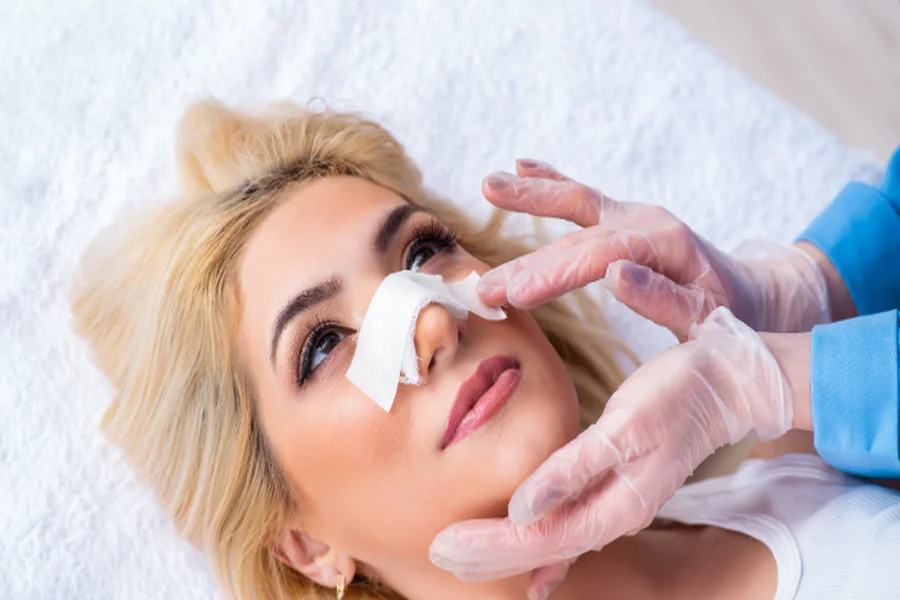
A week off work sounds like a reasonable plan for nose surgery. It may be. But “back at work” and “finished healing” are two very different dates. The splint usually comes off early; swelling does not leave with it. Someone who feels comfortable going out for dinner two weeks after surgery may still notice changes in photographs months later.
That is why a recovery timeline is useful before you choose a date. It helps you plan the first few days, decide what to do about work and understand why your nose may not look the way you expected when the dressing comes off.
In the Weeks Before Surgery
The consultation is your chance to talk about the nose you live with, not only the one you see in pictures. Tell your surgeon if breathing is difficult, whether you have had an injury and whether you have undergone nasal surgery before. Explain the change you are hoping for. Then ask which parts of it are possible with your anatomy.
Bring photographs if they help you describe a preference, but expect a discussion rather than a promise to copy one. Ask how the proposed operation could affect both the appearance and function of your nose. You should also understand the risks, the type of anesthesia planned and where any incisions may be placed.
Give your surgical team a full list of medications and supplements. Follow its instructions about any changes before surgery; do not stop prescribed medication because of something you read online. Find out when the follow-up appointment will be and whom to call if you have a question after going home.
A little preparation makes the first days less awkward. Arrange a ride, deal with groceries and put everyday items somewhere easy to reach. Think through your work schedule honestly. A job involving lifting, children or close contact with other people may call for a different return date than a desk job.
On the Day of the Operation
Rhinoplasty involves reshaping the nose’s bone, cartilage or both. The incisions may be inside the nostrils, or the surgeon may also make a small incision across the tissue between them. The plan depends on what needs to be changed.
After the operation, expect a splint over your nose. You may have dressings or support inside it as well. Once you have recovered sufficiently from anesthesia, you will receive instructions covering medication, cleaning, activity and follow-up care.
Ask the person taking you home to listen to those instructions. If you are tired or uncomfortable, it helps to have someone else remember whether a dressing should be left alone and which symptoms warrant a call.
The First 48 Hours
The nose often feels more blocked than painful. Swelling inside it may mean breathing through your mouth for a while. You may have a little bloody drainage. Bruising and puffiness around the eyes can become more obvious after the first day, so do not be startled if you look more swollen on day two than you did when you arrived home.
Take the medication your team recommends and rest with your head raised if instructed. Do not blow your nose or pull at dressings. Cleaning instructions can differ, depending on the operation; if you are unsure what to do with dried blood or a damp dressing, call and ask.
Try to keep your schedule empty. This is a poor time to promise that you will “just” work from home. Even simple tasks can feel tiring when you are congested, sleeping differently and recovering from anesthesia.
The Rest of the First Week
You may begin to feel better while still looking bruised. That can be a strange combination: enough energy to be bored at home, but not enough comfort to run errands or see people. Take short, easy walks if your team permits them, and continue to avoid anything that risks a knock to the nose.
An external splint is commonly removed at a follow-up visit around the end of the week. Some stitches may be removed then too. Do not try to speed that process up yourself.
The nose you see at this appointment is swollen. It may look wider than expected, and the tip may appear uneven or stiff. The purpose of the visit is to check healing and remove support when appropriate. It is far too early to decide what the final result will look like.
Weeks Two Through Six
This is when many people resume work and more of their usual routine. Bruising tends to fade, though the nose can still feel blocked, numb or oddly firm. Breathing and appearance may improve at different speeds. If something worries you, bring it up at your follow-up rather than trying to compare your recovery with someone else’s photos.
Ask for specific guidance about exercise. Walking to the shops, lifting weights and playing a sport where you could be hit in the face are not the same kind of activity. The day you feel energetic enough to do something may come before the date your surgeon wants you to do it.
Small habits deserve a question too. Glasses resting on the bridge, bending over a sink or carrying a heavy bag may seem harmless until you are recovering. Your surgical team can tell you what applies to your procedure.
The Months That Follow
Most of the dramatic changes happen early. Refinement is slower. Swelling can vary from day to day, and the tip often takes longer to settle. A photograph taken once a month in similar lighting may show progress more clearly than a daily inspection in the mirror. It can take up to a year to judge the final contour.
Keep follow-up appointments, even if you are pleased with how things look. Seek prompt advice if you develop severe or worsening pain, fever, yellow discharge, an uncontrolled nosebleed or significant difficulty breathing.
If you are considering rhinoplasty, ask your surgeon to help you plan for both parts of recovery: the time needed to return to daily life and the much longer period in which the nose continues to settle.