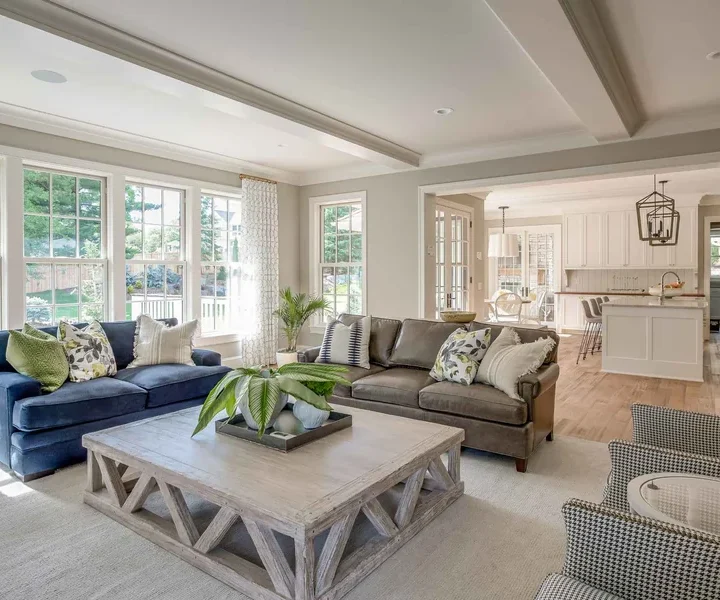
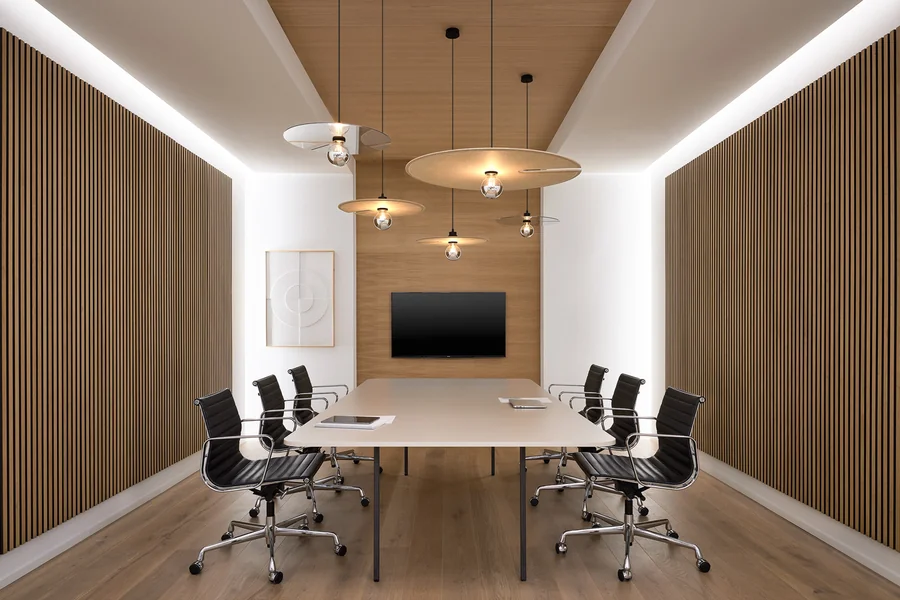
The correct ceiling light may create the mood of the space, complement its proportions, and bring attention to the most important regions. Here is where linear lighting comes into play. Its long, streamlined form works naturally over dining tables, kitchen islands, hallways, and other elongated spaces. Let’s explore what makes linear lighting a smart ceiling upgrade and why it works so well in modern interiors.
Linear Fixtures Solve a Common Lighting Gap
A round pendant lights one spot on a table, nothing along its length. Luxury fixtures such as designer linear lighting from Visual Comfort spread that light along the whole surface. A long dining table or kitchen island rarely gets even light from one round fixture. An elongated ceiling fixture solves that gap in one piece.
Hallways face this same problem on a smaller scale. A single flush mount at the center leaves the ends dim. A long-form fixture along the hallway spreads light across the full length. This even distribution is the core reason the style works so well.
Shape and Length Set These Fixtures Apart
Length is the defining trait of this fixture style. Some run as one continuous bar, lit end to end. Others hold several bulbs spaced along a metal frame. The shape reads as one clean line, whatever the exact build.
A linear chandelier carries multiple separate bulbs along that frame. A bar-style pendant groups small shades in a row. A suspended fixture hangs on cables or rods, lit along one beam. Each version keeps the same long, narrow silhouette overhead.
Dining Tables and Kitchen Islands Suit This Placement Best
A rectangular table calls for a fixture with a similar shape overhead. A linear fixture centered above the table echoes that form naturally. Length should run close to two-thirds the table length. Height typically sits thirty to thirty-six inches above the table.
Kitchen islands follow a similar rule for length and height. A fixture too short leaves the island ends dark. A fixture too long can crowd a nearby sink or cabinet. A quick measurement of the island first avoids either problem.
Suspended, Chandelier, and Pendant Styles Each Work Differently
A suspended fixture, such as designer linear lighting from Visual Comfort, reads as one continuous glow along its length. This style suits a modern kitchen or sleek dining room. A linear chandelier carries separate bulbs, closer to a traditional shape. This style suits a formal dining room with classic decor.
The Right Type for Each Room
A row-style pendant provides focused light over a specific work area. This style suits a kitchen island used for prep and meals. Room style, current decor, and the task at hand all point toward one type. A quick look at the space usually makes the choice easy.
Energy-Efficient LEDs Cut Long-Term Costs
Many linear fixtures run on LED strips built into the frame. LED sources use modest power for the light produced. A lower power draw adds up across hours of daily use. LED sources also run cooler, useful in a kitchen already warm from cooking.
LED bulbs hold up for years before a swap is needed. Fewer swaps save real time over the life of the fixture. A dimmable LED driver adds flexibility for night use. Energy savings add up over years, with no change in daily habits needed.
Scale and Placement Decide the Right Fixture Size
Fixture length should scale with the table, island, or hallway below. A fixture too small looks lost above a wide surface. A fixture too large can overwhelm a small nook. A few simple guidelines help narrow the choice.
- Dining table fixtures run about two-thirds the table length.
- Kitchen island fixtures typically match seventy-five percent of the island length.
- Hallway fixtures work well spaced six to eight feet apart.
- Ceiling height above eight feet allows for a taller drop.
FAQs
- How long should my dinner table linear light be?
Choose a fitting two-thirds the table length most of the time. This evens out the light without making the fixture feel small or huge.
- How high above a kitchen table should a straight lamp be?
Most lights work best 30–36 inches above the island. Height depends on ceiling height, fixture size, and sightlines.
- Are linear ceiling lights suitable for low-ceilinged rooms?
Yes. Thin, roof-high designs work effectively for low interiors. Low-profile fixtures cover a lot of ground without protruding.
Long fixtures define the space, uniformly distribute light, and mirror the space below. This depends on bulb kind, length, and placement. The last room features a visual comfort fixture with the same attention to detail.