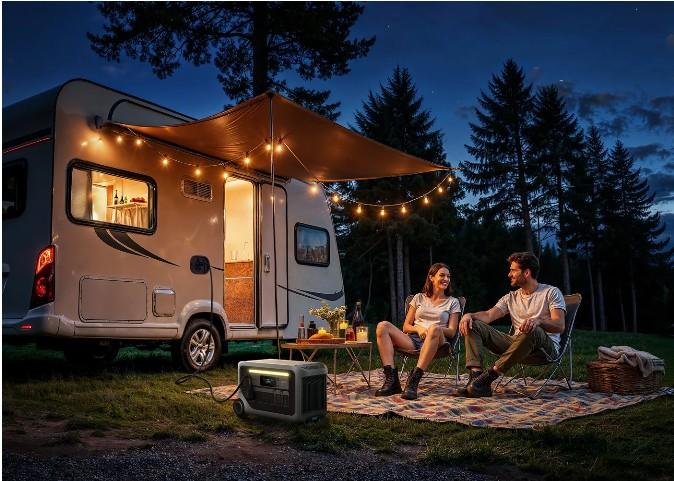
Yes, a portable power station can provide enough electricity for a weekend by the lake when its battery capacity matches your equipment’s energy requirements. Whether you’re camping, fishing, or relaxing outdoors, reliable power helps keep phones charged, food cool, and essential lighting available after sunset. However, battery runtime depends on device wattage, usage patterns, and available recharging options. Understanding these factors helps you choose a suitable setup and avoid unexpected power shortages. This guide explains how to plan electricity needs for a two-day lakeside getaway.
What Can a Portable Power Station Run During a Weekend by the Lake?
Charge Phones, Cameras, and Other Essential Electronics
A portable power station can recharge smartphones, cameras, tablets, GPS devices, and other small electronics throughout your lakeside trip. These devices generally require modest amounts of electricity, making them suitable for battery-powered charging. Check each device’s battery capacity and charging requirements before departure. Use compatible USB-C or USB-A ports whenever possible to reduce unnecessary conversion losses. Bring suitable charging cables and consider how frequently each device will need recharging during your two-day stay.
Power Portable Coolers, Lights, and Small Camping Appliances
Portable electric coolers, LED lanterns, and selected camping appliances can make a weekend by the lake more comfortable. However, their electricity requirements vary significantly. Compressor coolers cycle periodically, while thermoelectric coolers may consume power continuously. Check appliance wattage and estimate daily operating hours before connecting equipment. LED lighting typically requires less energy than heating or cooking appliances. Choose a station with sufficient continuous output and battery capacity to support your planned equipment without unnecessary interruptions.
Check Power Requirements for Fans, Speakers, and Outdoor Gear
Portable fans, Bluetooth speakers, and other outdoor accessories can improve comfort during warm lakeside afternoons and evening gatherings. Before packing, check each device’s power rating and charging requirements. A small USB fan may consume relatively little electricity, while larger AC-powered equipment can drain the battery faster. Consider whether devices need continuous operation or occasional charging. Avoid connecting multiple high-wattage accessories simultaneously, and keep enough stored energy available for essential communication and lighting equipment.
How Much Battery Capacity Do You Need for a Weekend Lake Trip?
Calculate Your Total Power Consumption for a Two-Day Stay
Estimate your weekend electricity requirements by listing each device’s wattage and expected operating hours. Multiply watts by hours to calculate energy consumption in watt-hours (Wh). For instance, a 40W cooler averaging twelve hours of operation daily consumes approximately 480Wh per day, or 960Wh over two days. Add the energy required for lighting, phones, and other accessories. Include additional capacity for conversion losses and unexpected usage to establish a realistic weekend power requirement.
Estimate Battery Runtime Based on Device Wattage and Usage
Battery runtime depends on usable energy capacity and the electricity consumed by connected devices. Estimate operating time by dividing usable battery energy, measured in watt-hours, by average device wattage. For example, a 1,000Wh battery providing approximately 850Wh of usable AC energy could operate a continuous 100W load for about 8.5 hours. Actual performance varies with inverter efficiency, battery condition, and changing appliance loads. For a two-day trip, calculate energy consumption across the entire weekend rather than individual sessions.
Choose the Right Power Station Capacity for Your Weekend Activities
Choose battery capacity according to the equipment you plan to use and the availability of recharging options. For basic phone charging and LED lighting, a compact 300–500Wh station may provide sufficient energy. Running an electric cooler alongside multiple devices often requires approximately 1,000Wh or more, depending on actual consumption. Larger systems support additional appliances and longer operation but add weight. Balance energy requirements with portability, storage space, and the distance between your vehicle and campsite.
How to Keep Your Portable Power Station Running All Weekend
Recharge Your Power Station With Solar Panels or Car Charging
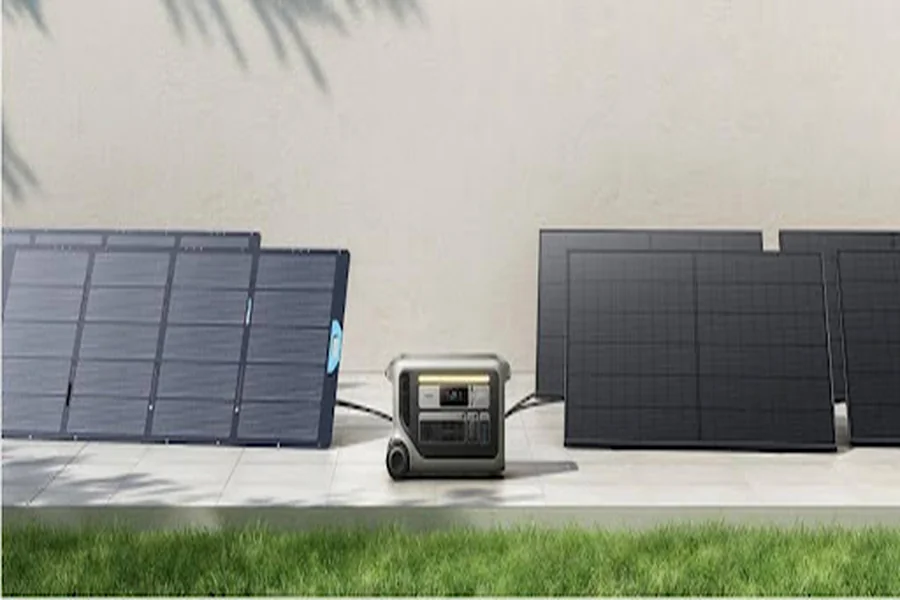
Solar panels can help replenish stored energy during sunny lakeside afternoons. The Anker SOLIX F3000 Portable Power Station supports dual solar charging inputs with up to 2,400W of combined solar power, allowing a full recharge in under two hours under optimal sunlight conditions. Actual charging speed depends on panel capacity, weather, and positioning. Compatible vehicle charging provides another option during travel. Always verify input limits and use manufacturer-approved cables before connecting charging equipment.
Reduce Power Consumption to Extend Battery Runtime
Smart energy management helps your power station last throughout the weekend. Switch off unused lights, disconnect fully charged devices, and select energy-efficient accessories whenever possible. Reduce cooler openings to help maintain its internal temperature and limit unnecessary compressor operation. Use USB charging ports for compatible electronics instead of leaving AC outputs active continuously. Monitor remaining battery capacity and prioritize essential equipment. Scheduling charging sessions during daylight hours can also help preserve sufficient energy for overnight use.
Protect Your Power Station From Water, Heat, and Outdoor Conditions
Lakeside environments expose electrical equipment to splashing water, humidity, sunlight, and changing temperatures. Position your power station on a stable, dry surface away from the shoreline and potential flooding. Keep it shaded and maintain proper ventilation to prevent overheating. Avoid placing the unit directly on wet ground or operating it during rainfall unless its specifications explicitly permit such exposure. Protect charging connections from moisture and inspect cables regularly. Store the equipment securely when leaving your campsite unattended.
Conclusion
A portable power station can comfortably support a weekend by the lake when you plan your electricity needs carefully. Small electronics and LED lighting require relatively little energy, while electric coolers and larger appliances demand more battery capacity. Calculate your total two-day consumption, account for conversion losses, and choose a station that provides sufficient runtime. Solar panels or compatible vehicle charging can help replenish energy during your trip. By managing electricity efficiently and protecting equipment from moisture and heat, you can enjoy reliable power throughout your lakeside getaway.