For elder people, a single fall can mean a fractured hip, weeks in a hospital bed, and independence that doesn’t fully return. What most people never learn is that this risk usually has a specific, treatable source, not just bad luck or the inevitable march of getting older. A decline in how well the inner ear and brain work together to keep the body upright. Vestibular rehabilitation exists specifically to fix that, no prescription required.
Balance Runs on Three Systems, and One Wears Down With Age
Balance depends on three things working together: vision, proprioception (the body’s internal sense of where its own limbs are), and the vestibular system, tucked inside the inner ear. Tiny structures there detect head movement and position, feeding signals that let the brain coordinate posture, eye movement, and balance almost without thinking. Walking, turning, reaching for something on a shelf: none of it usually takes conscious effort.
Age wears on this system the same way it wears on everything else in the body. Inner ear structures degrade. The brain’s ability to process what they’re sending slows down right alongside it. Early signs are often subtle. A little unsteadiness on uneven ground. A wave of dizziness when standing up too fast. Long before it becomes something a person would actually call a balance problem outright.
This connects straight to fall risk, more directly than most people assume. Vestibular issues are a major driver of falls in older adults, and one especially common condition causes brief, intense dizziness triggered by certain head movements. Plenty of people write it off as just getting older and never look further, which is unfortunate, since it’s frequently treatable rather than something to simply endure. Standard fall-prevention advice, clearing rugs, better lighting, grab bars, mostly targets the environment around a person rather than the impairment itself. Both matter. Only one actually fixes what’s causing the instability.
What a Program of Vestibular Rehab Actually Looks Like
Vestibular rehabilitation is a specialized branch of physical therapy centred on exercises that retrain how the brain interprets balance signals, and it typically opens with a detailed assessment, since the right approach depends heavily on what’s actually driving a given person’s instability. That varies a lot from one person to the next.
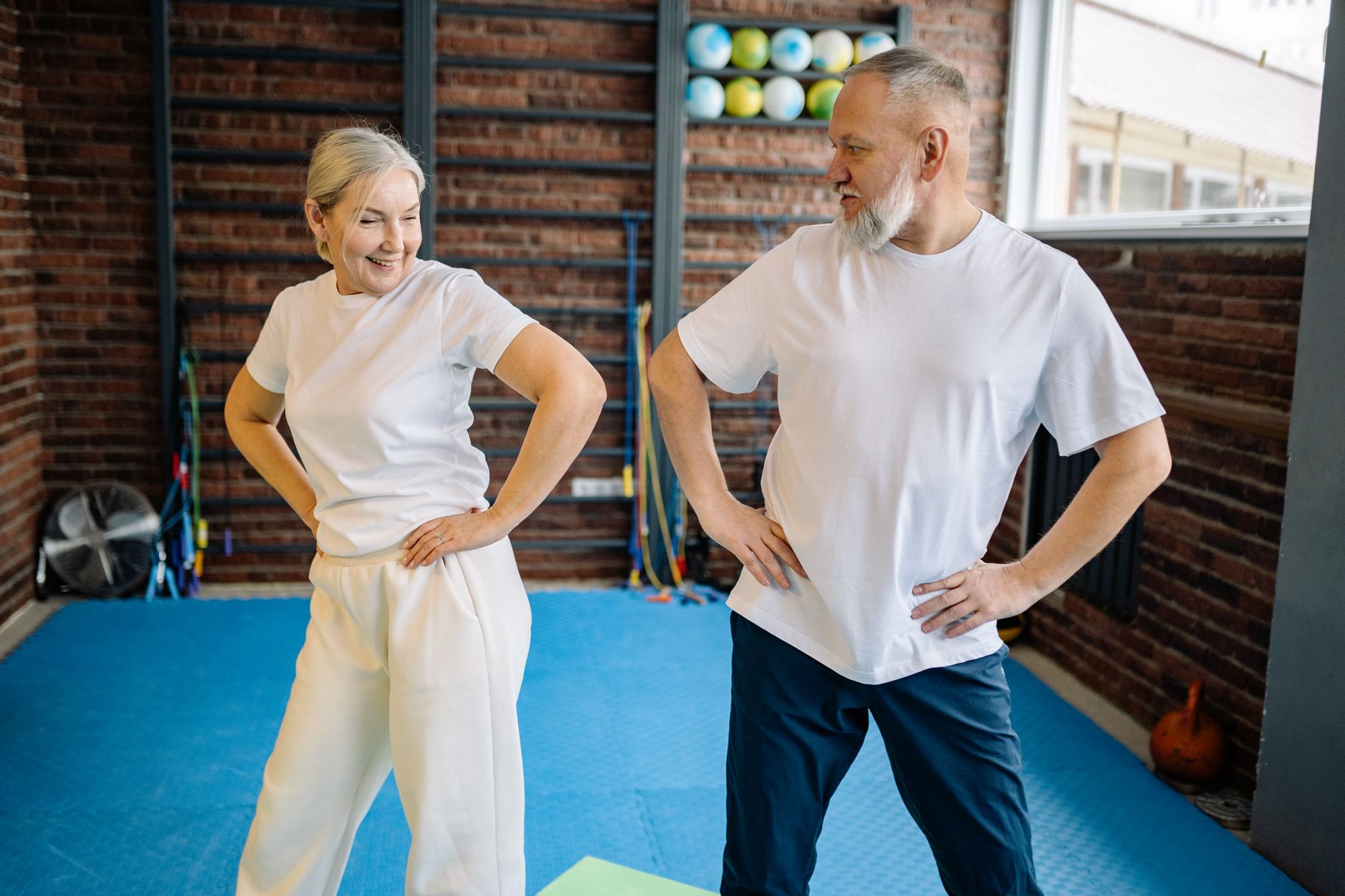
Habituation work is common: controlled, repeated exposure to whatever movement triggers the dizziness, letting the brain gradually adapt and dial down its sensitivity over time. Balance training runs alongside it, steadily raising the difficulty, standing on an unstable surface, walking while turning the head, shifting weight in different directions, building the coordination everyday movement actually requires. For certain conditions involving small calcium deposits that have shifted out of place inside the ear, targeted repositioning maneuvers can resolve symptoms directly, sometimes within a session or two.
Medication carries particular risk for this age group, which is a big part of why a non-drug approach matters so much here specifically. Plenty of medications commonly prescribed for dizziness, or for the anxiety that builds around fear of falling, can cause sedation, worsen balance further, or interact badly with whatever else someone’s already taking. Occasionally, a medication meant to treat one symptom ends up raising fall risk instead of lowering it, which is about as counterproductive as a treatment gets. Vestibular rehab sidesteps that problem entirely, working on the actual physical mechanism through exercise and retraining rather than a prescription pad. For someone already managing several medications, skipping one more, especially one that could worsen the very problem it’s meant to fix, is a genuine advantage.
The Fear Itself Needs Addressing Too
A fall, or even a near miss, leaves behind more than physical consequences. Fear of it happening again often pulls people back from activity and social life entirely, avoiding anything that feels remotely risky. The cruel irony is that pulling back weakens the exact muscles and coordination that would help prevent another fall, quietly making the underlying problem worse instead of better over time.
Vestibular rehab tends to address both sides of this at once. Measurable improvement in balance and reduced dizziness tends to rebuild the confidence needed to move normally again, rather than continuing to avoid it out of fear that never actually gets tested.
Who This Is Actually For, and Where to Start
Anyone dealing with dizziness, unsteadiness, a history of falls or near-falls, or simply a sense that balance isn’t what it used to be, is a reasonable candidate for evaluation, even without a formal vestibular diagnosis already in hand. A proper assessment can identify balance-related fall risk whether or not a specific inner ear condition turns out to actually be present.
The right first step is a conversation with a physician or a physical therapist experienced in vestibular assessment, since what makes sense as treatment genuinely depends on what’s actually going on for that individual.
Treating the Actual Cause, Not Just the Surroundings
Falls among older adults get dismissed far too often as simply an inevitable part of aging. Plenty trace back to identifiable, treatable causes instead. Vestibular rehabilitation goes after one of the more common causes of those falls directly, without adding the extra risk medication can carry for a population that’s often already juggling multiple prescriptions. For something with consequences as serious as a fall can bring, treating the actual cause rather than just managing the environment around it is a genuinely different, and often more effective, way forward.