
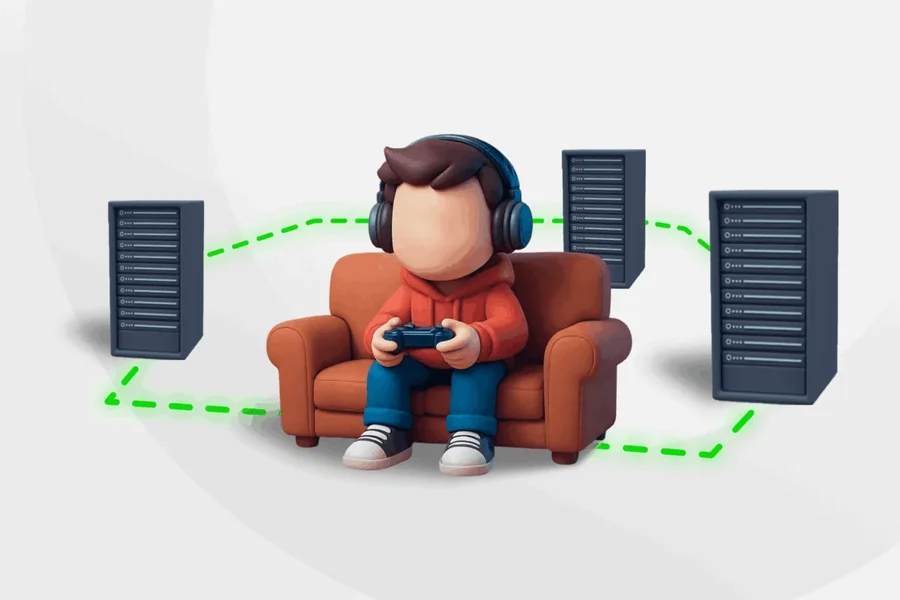
To resolve online gaming portal redirects and fix persistent landing delays, clear your browser’s HTTP cache, disable misconfigured third-party extensions, and flush your device’s DNS resolver. Gaming portals employ dynamic routing and TLS tokenization to distribute traffic safely across edge servers. When your client-side network holds stale IP records, it triggers endless authentication loops or proxy firewall timeouts. Switching your resolver to a zero-log public DNS (such as Cloudflare 1.1.1.1 or Google 8.8.8.8) eliminates routing latency, granting direct, uninterrupted access to your account within milliseconds.
Technical Root Causes of Redirect Loops
Online gaming platforms handle massive concurrent user volumes by leveraging Anycast network routing and multi-tier Content Delivery Networks (CDNs). When an entry portal experiences localized traffic spikes or routine maintenance, load balancers automatically shift visitor requests to active regional mirror nodes. However, client-side caching frequently breaks this automated distribution pipeline.
When configuring your client device for seamless access to top platforms like UFABET Entrance (ทางเข้า ufabet), understanding how web browsers store outdated Document Object Model (DOM) states or expired TLS session keys becomes essential. When these keys expire, your connection attempt lands on an inactive server IP address. The origin server responds with an HTTP 302 or 307 temporary redirect to push your browser toward a functional node. If your network adapter fails to clear the initial lookup header, your session gets trapped in a continuous redirect loop.
Understanding these mechanics allows players to bypass connection drops manually, ensuring direct access to real-time sportsbook markets and live casino tables without reliance on intermediary proxy sites.
Network and Device Protocols
Maintaining an uninterrupted connection to modern online entertainment platforms like UFABET Entrance (ทางเข้า ufabet) requires setting up client-side optimizations that match modern server-side architecture. High-performance gaming platforms rely on 256-bit TLS encryption, real-time token validation, and mobile-first adaptive frameworks to protect player data and maintain sub-second page loads.
Hardware and Network Diagnostic Steps
- Clear Browser Cache and Cookies: Open your web browser’s privacy settings, select “All Time” as the time range, check “Cached Images and Files” alongside “Cookies”, and clear the data to remove expired authentication tokens.
- Flush Operating System DNS: Launch your system terminal (Command Prompt for Windows or Terminal for macOS) and run the command ipconfig /flushdns (or sudo dscacheutil -flushcache; sudo killall -HUP mDNSResponder on Mac) to purge stale IP mappings.
- Configure High-Speed Public DNS Resolvers: Replace your Internet Service Provider’s default DNS addresses with primary public resolvers like Cloudflare (1.1.1.1) or Google (8.8.8.8) to bypass regional routing bottlenecks.
- Disable Browser Extensions and Aggressive Proxies: Temporarily turn off third-party ad blockers, script blockers, and free VPN extensions that alter HTTP request headers during authentication.
- Enable Biometric and Hardware Tokenization: Utilize mobile platform features such as Face ID or hardware key storage to skip manual password inputs and bypass virtual keyboard entry delays.
Desktop vs. Mobile Connection Performance
Browser behavior differs significantly across device platforms due to how operating systems handle background socket connections, RAM prioritization, and network stack resets.
| Performance Metric | Desktop Web Browsers | Mobile Gaming Systems |
| Average Payload Size | ~2.5 MB | ~850 KB (Optimized) |
| Encryption Protocol | Standard SSL / TLS 1.3 | 256-Bit TLS + Tokenization |
| Interface Ergonomics | Multi-Window Mouse Layout | Single-Handed Thumb Zone |
| Authentication Speed | Password / 2FA Text Input | Instant Biometric / Hardware Token |
| Redirect Resilience | Requires Manual Cache Flush | Automatic Socket Re-establishment |
Source: Performance benchmarks compiled from Fight Matrix high-speed gateway performance reports (2026) and Cloudflare DNS latency documentation.
Troubleshooting Advanced Connection Errors
When basic cache clearing does not resolve entry delays, local security software or network routing policies are usually intercepting the WebSocket connection.
- DNS Probe Finished NXDomain: Indicates your local resolver cannot locate the destination domain. Switch your device DNS to manual mode and input 1.1.1.1.
- Proxy Firewall Timeouts (HTTP 504): Occurs when an intermediary network proxy fails to reach the destination origin server within the assigned time window. Disable active VPNs to connect straight to direct platform edge servers.
- Session Expiration Loop: Driven by conflicting browser cookies from older platform versions. Launch an Incognito/Private Browsing window to test the connection under a clean execution context.
Security Verification for Direct Access
Maintaining direct platform access should never compromise your digital security. Verified platforms implement strict multi-tiered defensive mechanisms, preserving data integrity across public and mobile networks.
- TLS Certificate Validation: Always check for an active HTTPS lock icon in the address bar to confirm valid 256-bit encryption before submitting credentials.
- Official Gateway Verification: Utilize verified domain entry points provided directly by platform updates, avoiding unverified third-party search advertisements.
- Hardware-Level Storage: Leverage local device tokenization so authentication tokens reside securely in your hardware enclave rather than temporary browser storage.
By configuring optimized DNS resolvers, clearing stale session data, and relying on native mobile security features, users can establish direct connections via UFABET Entrance (ทางเข้า ufabet) and enjoy uninterrupted, high-speed access across all digital gaming platforms.
Frequently Asked Questions
Why does my login page keep refreshing without logging me in?
This occurs when your browser stores an expired TLS session token or outdated cookie, causing the server to reject the session and issue an automated redirect loop. Clearing your browser cache or switching to an Incognito tab resolves the issue instantly.
How does changing my DNS resolver improve login speed?
Public DNS resolvers like Cloudflare (1.1.1.1) update global IP records faster than local ISP resolvers, routing your access request to the closest active edge server with minimal latency.
Is it safe to use biometric authentication on mobile entry portals?
Yes, modern biometric protocols process verification data locally inside your device’s secure hardware enclave, validating your identity without sending raw biometric data across the network.
What should I do if a platform page displays a 504 Gateway Timeout?
A 504 error indicates a proxy or intermediate connection issue between your network and the server. Turn off active VPNs, restart your router, or switch to cellular data to obtain a fresh IP route.
Direct Digital Access and Platform Optimization
Systematic client-side maintenance—from purging DNS caches to utilizing high-speed public resolvers—removes network friction, ensuring seamless, stable, and secure connectivity across top-tier digital gaming platforms.