In a crowded marketplace, getting noticed is only half the battle. Businesses also need promotional materials that customers remember long after seeing them. Although digital advertising plays an important role in today’s marketing plans, printed promotional items offer a tangible experience that can make a lasting impression.
However, not every printing method delivers the same promotional impact. Businesses can choose from a range of options, including digital and offset printing, as well as specialized techniques such as foil stamping, embossing, and lenticular printing.
The right printing technique depends on a campaign’s goals, target audience, required quantity, and message. Fortunately, modern printing offers plenty of flexibility for producing different types of promotional materials.
Understanding the benefits of each technique can help businesses create effective, professional-looking promotional materials. Here’s what to know about the options.
1. Lenticular Printing
For businesses that seek to make their promotional materials unique, lenticular printing is one way to do so. Businesses can use the services of companies like Enduraline Printing in order to develop promotional materials through this process. Instead of displaying a simple image, lenticular printing can give images a flip, motion, animation, zoom, and even a three-dimensional look.
This type of printing can be useful for prompting the recipient to take action in response to the promotion, rather than just looking at the image. Lenticular printing is suitable for postcards, business cards, event promotions, stickers, magnets, packaging, and other promotional items.
2. Digital Printing
Digital printing is often a strong choice for businesses that need marketing materials quickly or require a short print run. Unlike traditional methods that may involve more extensive setup, digital printing can move a completed design directly into production.
Businesses can use digital printing for cards, flyers, brochures, posters, stickers, and other marketing materials. It also supports variable data printing, which allows different pieces in the same campaign to feature different messages.
3. Offset Printing
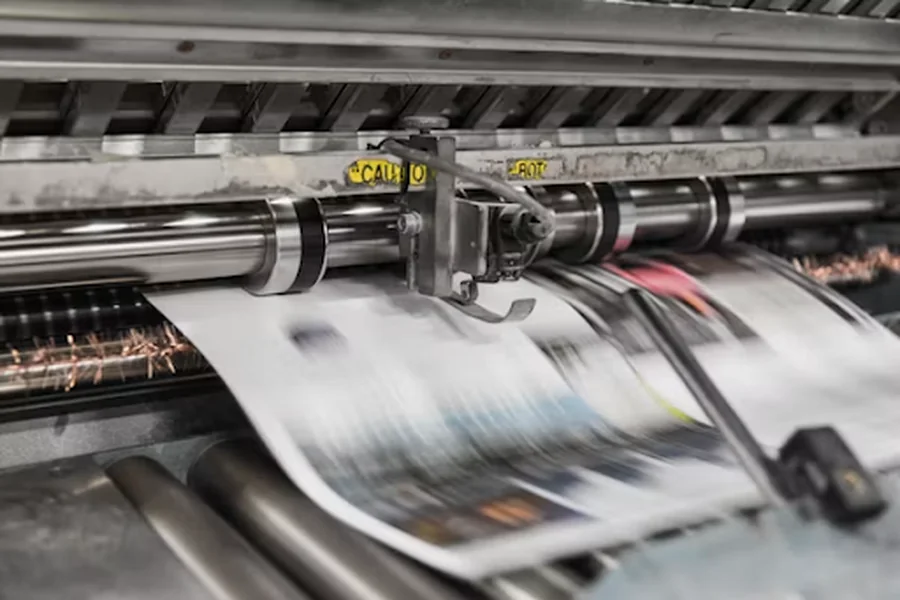
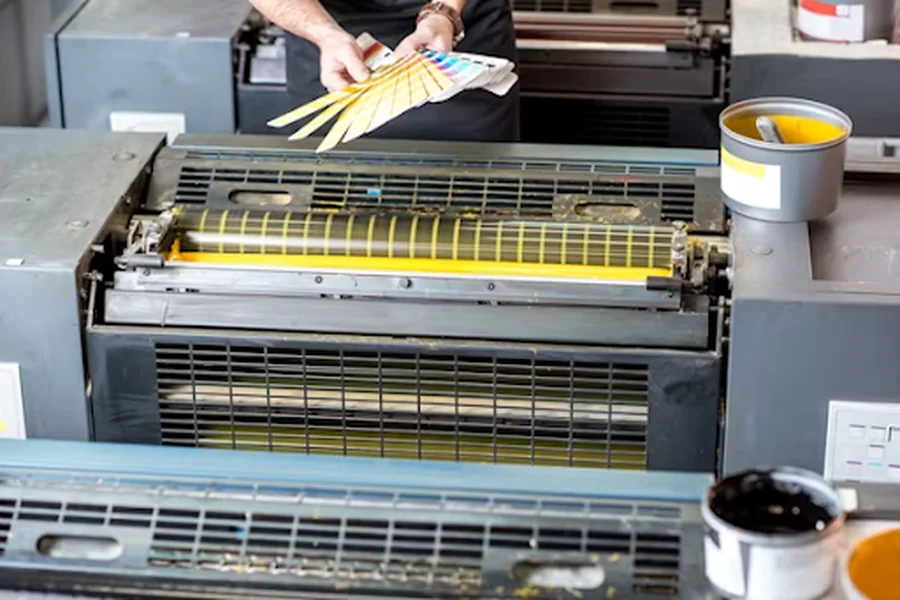
When a business needs a large quantity of promotional materials, offset printing can be a practical choice. It is well-suited to producing consistent, high-quality results across large print runs.
Businesses often use offset printing for brochures, catalogs, stationery, direct-mail materials, and other campaign items needed in large quantities. Modern offset printing also supports multiple colors and finishing options, giving designers plenty of creative flexibility.
Digital printing may be more flexible for smaller projects, while offset printing can be a better fit when volume and consistency matter most.
4. Screen Printing
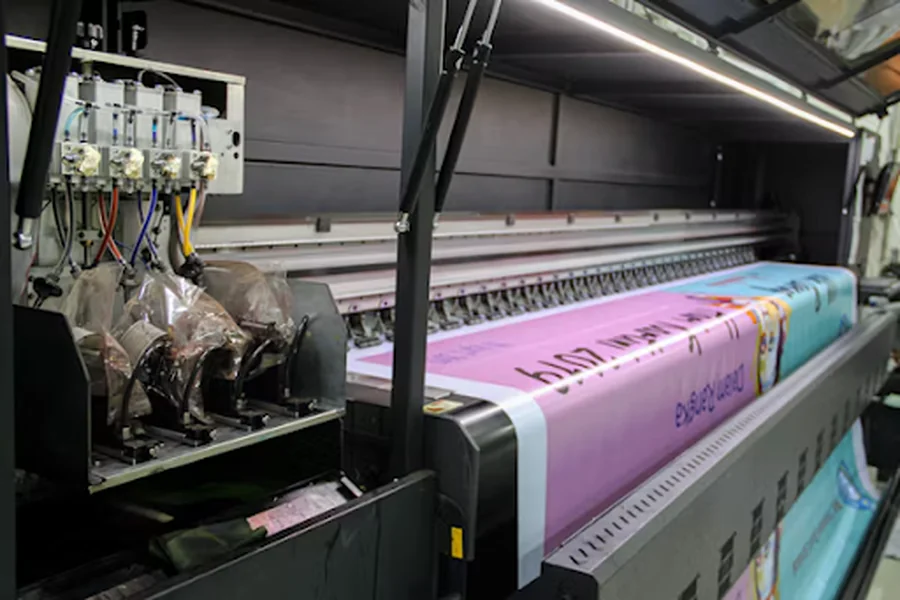
Screen printing is a versatile option for businesses that want to place bold designs, logos, or messages on promotional products. The process uses a mesh screen and a stencil to transfer ink onto a surface. Depending on the materials and equipment used, it can be applied to items such as tote bags, fabric accessories, and selected promotional merchandise.
One of the main advantages of screen printing is its ability to produce strong, opaque colors that stand out against different backgrounds. This makes it particularly useful for branding applications where a logo or slogan needs to remain visible. For example, a business participating in a trade show could distribute branded tote bags or shirts to increase brand exposure beyond the event itself.
Screen printing can also be suitable for bulk orders. Once the screens have been prepared, producing multiple items with the same design can be efficient. Businesses ordering merchandise for staff uniforms, product launches, community events, or promotional giveaways may find this approach worthwhile.
The method does have limitations. Each color may require a separate screen, increasing setup requirements for complex designs. It may also be less practical for small quantities or artwork containing numerous color variations. The suitability of the technique depends on the product’s material, the design, and the printer’s capabilities.
5. Foil Stamping
Sometimes, the goal is to convey quality and sophistication rather than movement. Foil stamping can help achieve that effect. Metallic foil can draw attention to design elements such as a logo, name, headline, or decorative detail.
Metallic foil can give promotional materials a more upscale look. Foil stamping can also be combined with embossing for added dimension. Businesses promoting luxury goods or services, special events, or premium offerings may find this technique especially useful.
6. Embossing
Promotional materials are often judged by their appearance, but touch can also shape how people experience a printed piece. Embossing creates raised elements on paper, allowing logos, lettering, and other design elements to be felt as well as seen.
Embossing can give business cards, folders, invitations, packaging, and other promotional products a distinctive feel. It can be used on its own or combined with foil for a more elaborate finish. These tactile details can make familiar materials feel more distinctive and carefully crafted.
Conclusion
High-quality promotional products do more than display a company logo or sales pitch. They capture attention, communicate quality, and give customers a reason to remember the business. Modern printing technologies offer a wide range of options, from the efficiency of digital and offset printing to special effects that add texture or interactivity.
Whether a business needs an economical option, personalized details, a sophisticated finish, or eye-catching visuals, choosing the right printing method can make its promotional materials more effective. Pairing the right technique with a strong design helps each item serve its purpose.
Successful business promotion is about more than putting ink on paper. It means creating something that catches attention, makes a positive impression, and helps people remember the business behind it. With the right approach, even a simple printed product can become an effective promotional tool.