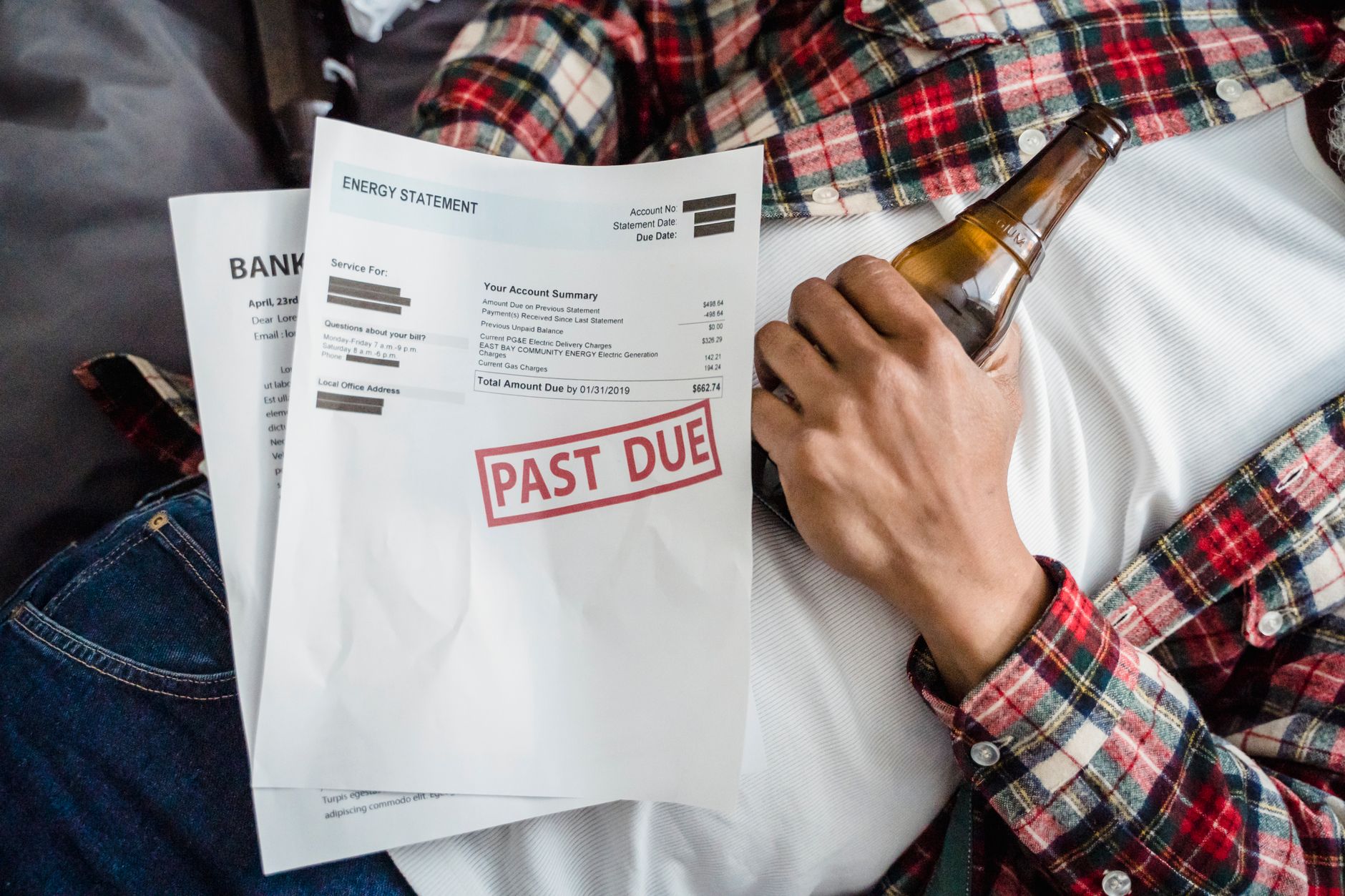
Opening your monthly utility statement should never feel like an unpleasant surprise. Yet many homeowners find themselves staring at unexpectedly high power bills, wondering how their energy consumption climbed so dramatically when their routines seemed unchanged.
While seasonal extremes and rate hikes play a role, the biggest contributors are often subtle daily routines. Recognizing how everyday habits place unnecessary strain on appliances allows you to make minor tweaks that yield immediate savings. Here are 8 habits that drive up your energy bill and practical ways to eliminate the waste.
1. Thermostat Ping-Pong and Neglecting Air Filters
Constantly adjusting the thermostat forces your HVAC system to run continuously at peak capacity, while dirty air filters restrict airflow and drive up electrical consumption.
A common misconception is that setting the thermostat to 65°F will cool a home faster on a hot afternoon than setting it to 72°F. Air conditioners cool at a fixed rate regardless of the target setting. Dropping the temperature drastically only guarantees the compressor runs longer than necessary, inflating power bills.
Pairing temperature swings with dirty air filters creates a double penalty. When dust, pet hair, and pollen clog a filter, the blower motor works significantly harder to pull air through the system. These preventable HVAC airflow restrictions can increase cooling and heating energy use by up to 15 percent while placing unnecessary mechanical stress on the blower motor and compressor.
2. Washing Clothes in Hot Water and Running Partial Loads
Washing everyday laundry in hot water consumes up to 90 percent of the machine’s energy solely for heating water.
Unless you are sanitizing bedding after an illness or removing heavy oil stains, modern laundry detergents are formulated to clean clothes thoroughly in cold tap water. Heating gallons of water for routine washes places massive electrical or gas demand on your home.
Similarly, running multiple half-empty cycles wastes gallons of water and multiplies electrical runtime. Wait until you accumulate a full hamper before starting a wash cycle, and reserve hot water strictly for heavy linens and sanitization.
3. Overpacking the Dryer and Skipping Vent Cleaning
Stuffing your dryer to capacity traps moisture between garments, extending cycle times and driving up energy use.
When a dryer is crammed with heavy fabrics, warm air cannot circulate freely. This turns what should be a 40-minute drying cycle into an 80-minute ordeal. Running the heating element and drum motor for consecutive cycles quickly inflates your monthly electric bill.
Additionally, a clogged lint trap or blocked exterior exhaust vent chokes airflow, forcing the dryer’s heating element to work in an overheated state. Clear the removable lint filter before every load, and clean the exterior ductwork annually to keep cycle times brief and safe.
4. Cranking Water Heater Temperatures Above Recommended Baselines
Setting your water heater above 120°F wastes substantial energy on standby heat loss while increasing the risk of accidental scalding at the tap.
Many water heaters arrive from the factory preset to 140°F (60°C). Maintaining water at this elevated temperature forces the unit to fire repeatedly throughout the day and night to compensate for thermal loss through the tank walls. According to the U.S. Department of Energy, adjusting your water heater thermostat settings down to 120°F (49°C) can shave more than 10 percent off annual water heating costs without sacrificing morning shower comfort.
If your tank feels warm to the touch, it is radiating heat into unconditioned spaces like garages or basements. Adding an insulating blanket to an older tank and insulating the first six feet of exposed hot water pipes preserves heat and reduces standby cycling.
5. Opening the Oven Door and Packing Hot Leftovers into the Fridge
Opening an active oven door causes internal temperatures to drop by 25 to 50 degrees, while loading warm food directly into the refrigerator forces the compressor into overdrive.
Every time you open the oven door to inspect a dish, hot air escapes, forcing heating elements to consume extra power to regain temperature. Use the interior oven light and clean the glass door to monitor cooking progress instead.
In the refrigerator, placing hot pots of soup or warm leftovers directly onto shelves heats the entire interior cabinet. The compressor must run for hours to bring the temperature back down to safe food-storage levels. Allow freshly cooked meals to cool on the counter for 20 to 30 minutes before transferring them into the fridge.
6. Overlooking “Vampire Power” from Idle Electronics
Electronics left plugged in while turned off continue to draw standby electricity, accounting for up to 10 percent of an average household’s electric bill.
Televisions, gaming consoles, desktop computers, sound systems, and microwave digital displays never truly sleep. They remain in a low-power standby state to listen for remote control signals, download automated updates, and maintain LED clocks.
This passive vampire power draw quietly leaks electricity 24 hours a day. Group entertainment and home-office equipment onto smart power strips that automatically cut power to peripheral accessories when the primary device is shut off. Unplugging rarely used guest room chargers, small kitchen appliances, and gaming systems produces noticeable monthly savings.
7. Leaving Exhaust Fans Running Indefinitely
Bathroom and kitchen exhaust fans exhaust heated or cooled conditioned air outdoors within an hour if left running continuously.
Exhaust fans are essential for evacuating cooking odors, smoke, and shower humidity to prevent moisture damage and mold. However, leaving a bathroom fan running for hours after a shower creates a vacuum that pulls conditioned indoor air out of your home. Your heating or cooling system must then run continuously to replace that lost treated air.
Limit bathroom fan operation to 15 to 20 minutes after bathing. Installing an inexpensive digital countdown wall timer ensures the fan automatically shuts off once excess humidity has cleared the room.
8. When Surging Bills Indicate Mechanical Failure
If your energy bills spike dramatically despite mindful habits, a malfunctioning compressor, leaking ductwork, or low refrigerant may be forcing your cooling system to run constantly.
Habits alone do not account for every utility jump. When an HVAC unit ages or experiences internal mechanical failures—such as a failing capacitor, leaking refrigerant line, or seized fan motor—its operational efficiency collapses. The system will run for hours without reaching the set temperature on the thermostat.
Homeowners in northern Utah who notice their systems running non-stop on moderate summer afternoons should consult professionals for air conditioner repair in Ogden, UT to evaluate compressor health, check coil cleanliness, and recharge refrigerant levels. Restoring an air conditioning system to factory specifications often slashes electrical consumption overnight.
High energy bills are rarely the result of an isolated spike; they are the cumulative outcome of small, repeated daily routines. Leaving electronics on standby, overpacking dryers, washing clothes in hot water, and neglecting basic HVAC maintenance quietly compound into noticeable financial waste. By adopting conscious adjustments—washing in cold water, clearing filters, managing thermostat settings, and addressing mechanical strains early—you regain control of your utility costs while extending appliance lifespans.