A bra can feel perfectly comfortable when you first put it on and become frustrating several hours later. Long-wear comfort depends on more than soft fabric. Band tension, cup fit, strap placement, seams, and overall construction all determine whether a bra remains comfortable throughout a full workday, commute, dinner, or evening out.
The best bras for extended wear balance support with flexibility. Instead of relying on excessive compression, they distribute pressure across the body so one area isn’t doing all the work.
Band Fit: Why Too-Tight or Too-Loose Ruins All-Day Wear
The band provides much of a bra’s support, which makes proper sizing especially important. A band that’s too loose can ride up the back and force the straps to compensate. As a result, you may tighten the straps more than necessary, leading to shoulder pressure and discomfort.
A band that’s too tight creates a different problem. It can dig into the ribcage, leave deep marks, restrict comfortable movement, and become increasingly noticeable as the day goes on.
Learning how to measure bra size can help establish a better starting point. A supportive band should sit relatively level around the torso and feel secure without making it difficult to breathe or move naturally.
Cup size matters, too. If breast tissue spills over the cups or the center of the bra doesn’t sit correctly, increasing the band size isn’t always the solution. Band and cup measurements work together, so both need to be considered.
For fuller busts, construction becomes particularly important. The best support bras for large breasts often use deeper cups, wider bands, and thoughtfully placed straps to distribute weight more comfortably.
Seamless Construction vs. Seams That Dig In
Seams can add valuable structure to a bra, but their placement makes a difference. A poorly positioned or bulky seam may rub against the skin, become visible through clothing, or create pressure after hours of wear.
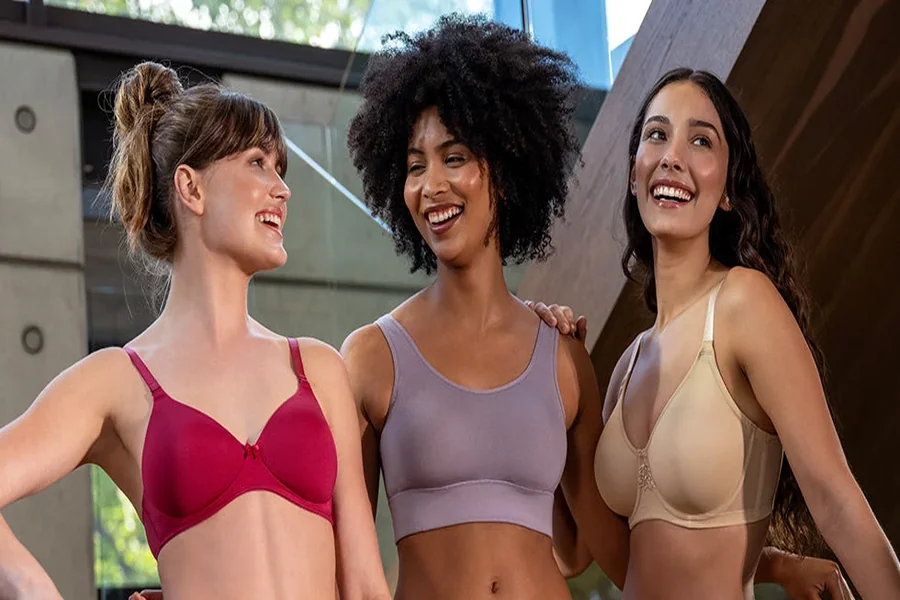
Seamless bras take a different approach. Molded or smooth cups can reduce visible lines beneath fitted clothing while creating a more uniform surface against the skin. This makes them popular for everyday outfits and long periods of wear.
That doesn’t mean all seamed bras are uncomfortable. Carefully designed seams can shape the cups and provide additional support, especially in larger sizes. The issue is whether those seams lie flat and move comfortably with the body.
Material choice contributes as well. Flexible fabrics can accommodate natural movement throughout the day, while overly rigid construction may feel restrictive. Adjustable straps and soft edges also help personalize the fit.
Final Thoughts
A truly comfortable all-day bra should feel supportive at hour ten, not just during the first ten minutes. Proper band sizing, cups that fully contain breast tissue, smooth construction, and well-positioned seams all contribute to long-term comfort. Instead of assuming discomfort is simply part of wearing a bra, look for a fit that distributes support evenly and allows the body to move naturally.