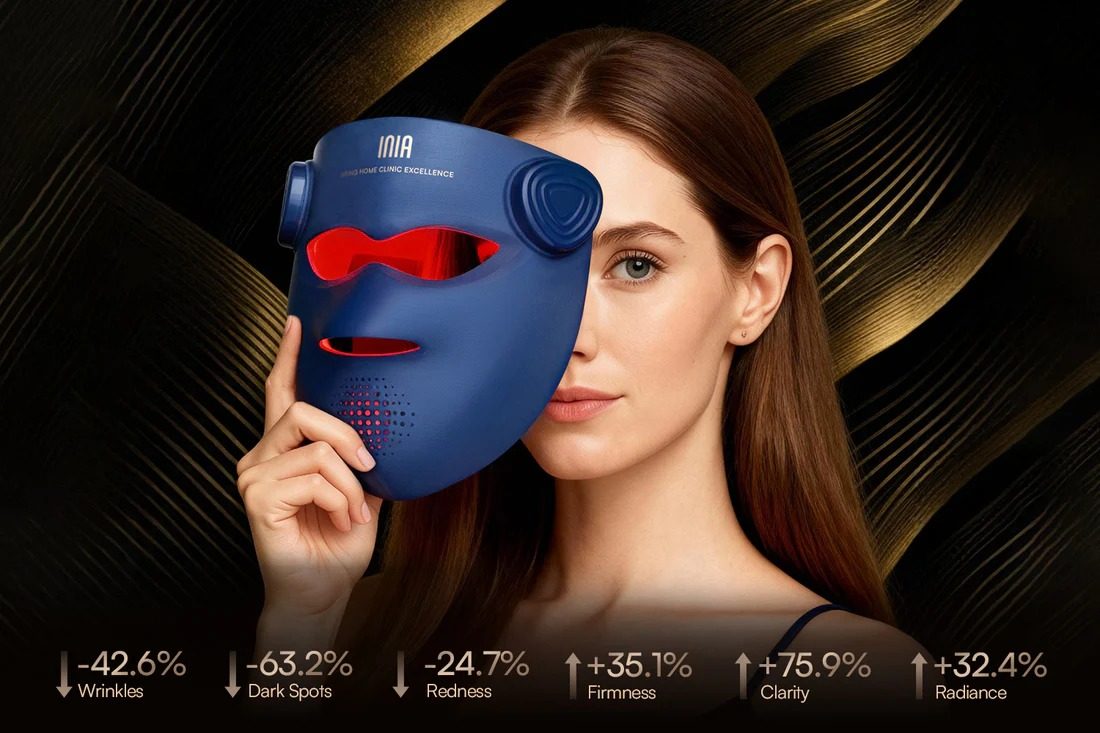
Modern beauty routines have evolved far beyond traditional cleansers, moisturizers, and serums. Today, people are increasingly interested in skincare technology that can be used conveniently at home. One example is the red light mask, a wearable LED device designed to expose facial skin to specific wavelengths of light. Its popularity comes from growing interest in non-invasive beauty treatments and research exploring how light-based approaches may influence the appearance of skin.
For beauty enthusiasts, understanding what these devices can realistically offer is more useful than following trends blindly. They may complement an established skincare routine, but they are not instant solutions for every skin concern. Factors such as consistency, individual skin characteristics, device specifications, and everyday skincare habits can all influence results. A balanced approach can help users explore this technology while keeping realistic expectations about their beauty routine.
What Makes Red Light Masks a Beauty Trend?
At-home skincare devices have become increasingly visible in the beauty industry because they offer consumers another way to care for their skin. LED masks are particularly interesting because they do not work like traditional creams or serums. Instead of delivering active ingredients to the skin, they use controlled light exposure.
Different devices can use different wavelengths and may combine visible red wavelengths with near-infrared light. Their design, intensity, treatment duration, and recommended frequency can also vary. Because of these differences, consumers should avoid assuming that every mask will produce identical results.
The popularity of these devices is also connected to the desire for simple beauty routines. A wearable device can be used at home without adding complicated professional procedures to a schedule. However, convenience should not be confused with guaranteed effectiveness. Understanding the technology and following the manufacturer’s instructions remain important parts of responsible skincare.
The Beauty Benefits Everyone Is Curious About
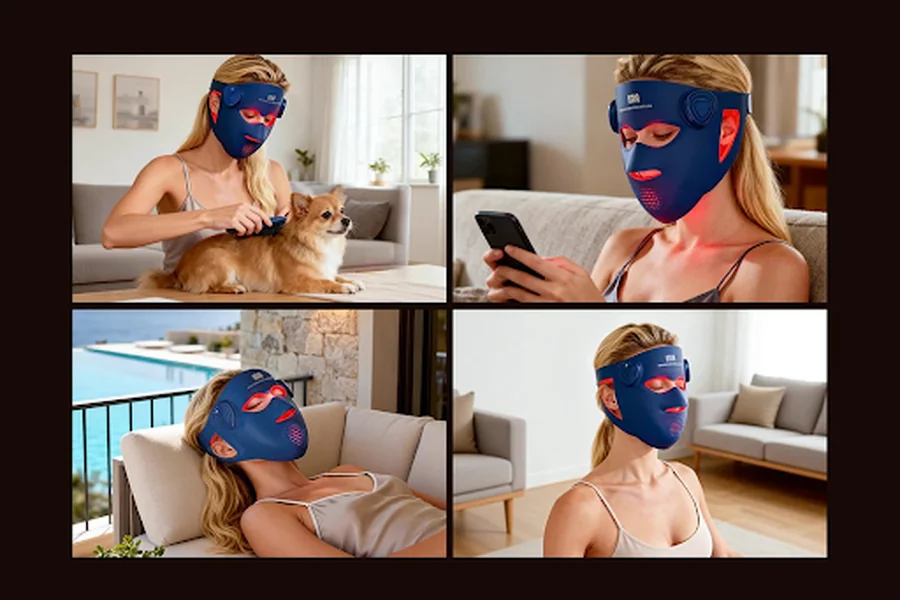
Light-based skincare has been researched for several cosmetic applications. Although evidence and results can vary, some of the most commonly discussed areas involve the visible appearance of aging skin and overall skin quality.
Potential areas of interest include:
- Smoother-looking skin: Research has explored whether light-based treatments may influence aspects of skin texture.
- Fine lines: Some studies have investigated whether these treatments can improve the appearance of fine lines over time.
- Skin firmness: Collagen-related processes are an area of interest in research involving photobiomodulation.
- Overall complexion: Some people incorporate LED treatments into routines designed to maintain healthy-looking skin.
- Convenient skincare: Home-use devices allow people to incorporate technology into their existing beauty habits.
These potential benefits should not be interpreted as promises. Skin responds differently from person to person, and cosmetic outcomes can depend on the type of device, treatment schedule, age, skin characteristics, and other skincare habits.
How Can You Add It to Your Beauty Routine?
Introducing a new skincare device does not mean completely changing an established routine. The basic principles of good skincare still matter. Gentle cleansing, appropriate moisturization, and daily sun protection are important regardless of whether someone uses an LED device.
Many home-use masks are designed to be used on clean skin, but users should always check the instructions supplied with their particular product. The recommended duration and frequency can differ significantly between devices.
It can also be helpful to keep a beauty routine simple. Adding several new products and devices at once makes it difficult to determine which one is responsible for a positive or negative change. Introducing one new item at a time gives the skin an opportunity to adjust and makes any reaction easier to identify.
Consistency is another important consideration. Increasing treatment time beyond the recommended schedule does not necessarily produce faster or better cosmetic results. Following the manufacturer’s directions is a more sensible approach.
What Should You Look for Before Choosing One?
The growing number of skincare devices available online can make choosing one confusing. Instead of focusing only on appearance, popularity, or influencer recommendations, consumers can examine the technical and practical information provided by the manufacturer.
Wavelength is one factor worth considering because different wavelengths have different properties. Consumers should also look for information about treatment duration, recommended frequency, safety guidance, and intended cosmetic use.
Comfort is another practical consideration. A device that feels uncomfortable or fits poorly may be difficult to use consistently. Clear instructions are equally important because they explain how the product is intended to be used.
For people exploring beauty brands such as Inia, it can be useful to compare the brand’s product information with independent research about LED-based skincare. This allows consumers to distinguish between product descriptions and broader scientific evidence.
Marketing language should also be evaluated carefully. Claims suggesting dramatic transformations within a few days may create unrealistic expectations. Healthy-looking skin usually results from a combination of consistent habits rather than one product or device.
Build a Balanced Beauty Routine Around It
Technology can be an interesting addition to skincare, but it should not overshadow the fundamentals. A balanced routine generally begins with understanding what the skin needs and avoiding unnecessary complexity.
Cleansing can help remove everyday dirt, oil, and cosmetic residue. Moisturizers can support the skin barrier and help maintain comfortable-looking skin. Sun protection is especially important because ultraviolet exposure contributes to visible signs of premature skin aging.
An LED mask can be considered an optional step within this broader routine. It does not replace sunscreen or other basic skincare practices. People should also consider their own skin type and existing products before introducing a new device.
Those using active skincare ingredients may want to pay attention to how their skin responds when adding another treatment. If dryness, irritation, or discomfort develops, stopping the new treatment and seeking appropriate professional advice may be sensible. A simple routine that can be followed consistently is often more practical than a complicated routine filled with numerous products and devices.
Beauty Mistakes Worth Avoiding
The popularity of skincare technology can sometimes lead to unrealistic expectations. One common mistake is assuming that using a device for longer periods will automatically accelerate results. Treatment recommendations exist for a reason, so users should avoid changing the schedule without appropriate guidance.
Another mistake is expecting one device to solve every cosmetic concern. Skin appearance is influenced by many factors, including genetics, age, sun exposure, lifestyle, skincare habits, and environmental conditions.
Comparing personal skin with heavily edited social media images can also create unrealistic standards. Natural skin has pores, texture, fine lines, and variations in tone. A beauty routine should ideally focus on maintaining healthy-looking skin rather than achieving an artificial standard of perfection.
Finally, consumers should distinguish between advertising and evidence. Testimonials and promotional claims can be interesting, but they do not necessarily provide the same level of information as independent research.
FAQs
Can LED masks be part of a beauty routine?
Yes. They can be used as an optional skincare step when the specific device instructions are followed correctly.
Can these devices improve the appearance of skin?
Research suggests possible cosmetic benefits, but results vary according to the individual, device, treatment schedule, and other skincare habits.
Should an LED mask replace regular skincare?
No. It is better viewed as a complementary option alongside basic practices such as cleansing, moisturizing, and sun protection.
A Simple Takeaway for Your Beauty Routine
At-home LED skincare has become an interesting part of the modern beauty landscape. Research has explored its potential relationship with visible skin aging, texture, fine lines, and collagen-related processes, but results are not guaranteed for everyone. The most practical approach is to view a red light mask as one optional component of a wider skincare routine rather than a replacement for fundamental beauty habits.
Consumers can make more informed choices by checking product specifications, understanding recommended usage, and maintaining realistic expectations. Whether researching Inia or another beauty brand, it is helpful to look beyond attractive marketing claims and consider reliable information about how the technology works. Ultimately, a consistent routine, sensible product choices, sun protection, and attention to individual skin needs remain central to maintaining healthy-looking skin.