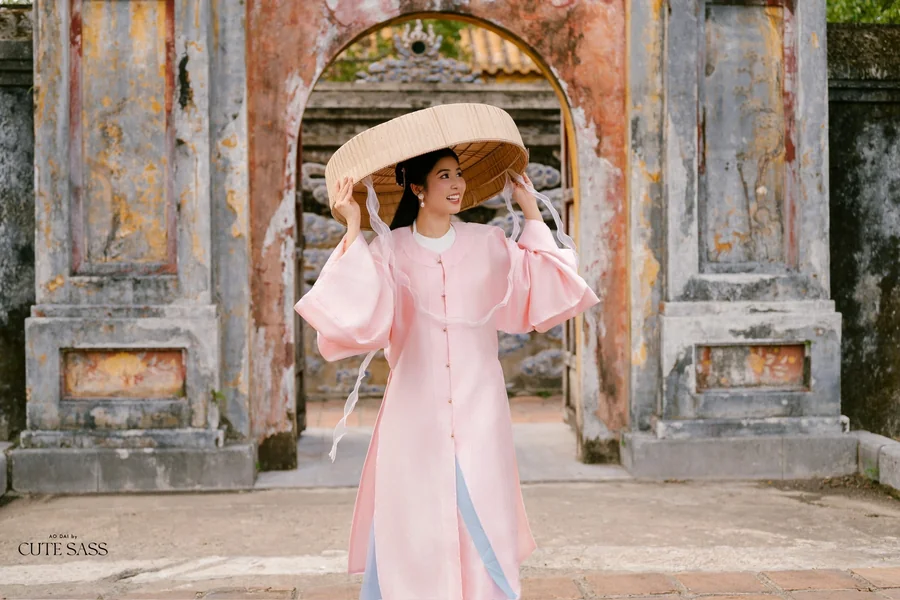
The Vietnamese fashion can be seen to be a lovely blend of traditional culture, art and innovation. Since the graceful áo dài, to the modern clothes worn in the streets, clothing in Vietnam has evolved over centuries due to the cultural impact, and at the same time, retains its sense of identity.
Conservative clothes can have elegant designs, fine materials, and significant designs. Meanwhile, younger designers and fashion lovers keep transforming and redefining these elements as they fit contemporary lifestyle. This blend has assisted the Vietnamese style to get a wider concern not only in the country, but in any other country as well.
The interesting aspect of the country fashion is that both the old and the new can coexist within the country. A vintage garment can be worn with modern accessories and a traditional craftwork or work with fabric can be used in a modern garment. Such disproportion provides the Vietnamese fashion with a unique uniqueness.
The Traditional Roots of Vietnamese Fashion
Vietnamese clothing is historic due to its origin being in local custom, local variations, and also due to influence of culture. The traditional clothing was made not only to be beautiful, but also to serve various purposes like during ceremonies, social events, and in everyday life.
It is best known perhaps through the áo dài. The long-sleeved, fitted tunic is a traditional part of this fancy outfit, which is worn over trousers. Its elegant design also enables it to appear professional yet at the same time simple.
Their clothing traditions have also been developed by other regions and communities. Vietnam has ethnic minorities with unique textiles, embroideries, colors and craft designs. Those clothes can be the articulators of the cultural identity and the continuation of the generations.
The value of craftsmanship is also evident in the traditional clothes. It may take much skill and patience in hand embroidery, weaving, dyeing and decorative details.
These customs still affect contemporary designers who desire to keep the cultural aspects yet design items that can be worn in the current lifestyles.
The Áo Dài and Its Lasting Influence
The aodai has come to represent the Vietnamese culture among the most powerful identities of the Vietnamese. Its design has evolved over the years, but still it remains worn on special occasions like celebrations, ceremonies, festivals and formal occasions.
It is simple but is beautifully simple. The tunic is long and thus it gives a graceful appeal and gives the designers room to play with fabrics, colors, prints and decorations.
Contemporary ones can be made out of silk, satin, lace, chiffon or lightweight materials. Other designs keep some classic characteristics and others bring about new cuts and designs.
Vietnamese education and the workplace also use the ao dai. It may symbolize tradition and be convenient enough to use in the present-day events.
The garment has seen more experimentation between the designers with traditional construction with modern styling in the designers. This has assisted the aodai to be applicable to the young ones as opposed to being regarded as a mere relic of costumes in history.
It is still popular to show that the traditional clothes may be developed without any cultural prejudice.
Modern Vietnamese Fashion and Design
The modern Vietnamese fashion has also significantly developed and designers produce collections blending the native inspiration with the global trends. Modern designs tend to be clean, innovative tailored, bold and adventurous in color and material.
The architecture, landscapes, history, and handicrafts of Vietnam give inspiration to many designers. Colors, patterns, and textures can all be affected by rice fields, tropical vegetation, classic architecture, and local fabrics.
Street fashion also has become more popular in the large cities in Vietnam. Youths put together global fashion with local taste forming outfits that are update, yet at the same time reflective of staying individual.
Easy-going items like loose shirts, loose-fitting jeans, sneakers, jeans and plain dresses became greet among young customers. They can be worn in distinctive local ways and accessories are frequently added to these pieces.
This has been influenced by social media. Clothing stylists have access to vast crowds with fashion concepts and Vietnamese designers and independent brands could have direct access to their clientele outside the store.
The rise in online presence in the modern Vietnamese fashion has contributed to the increased visibility.
Fabrics, Colors, and Craftsmanship
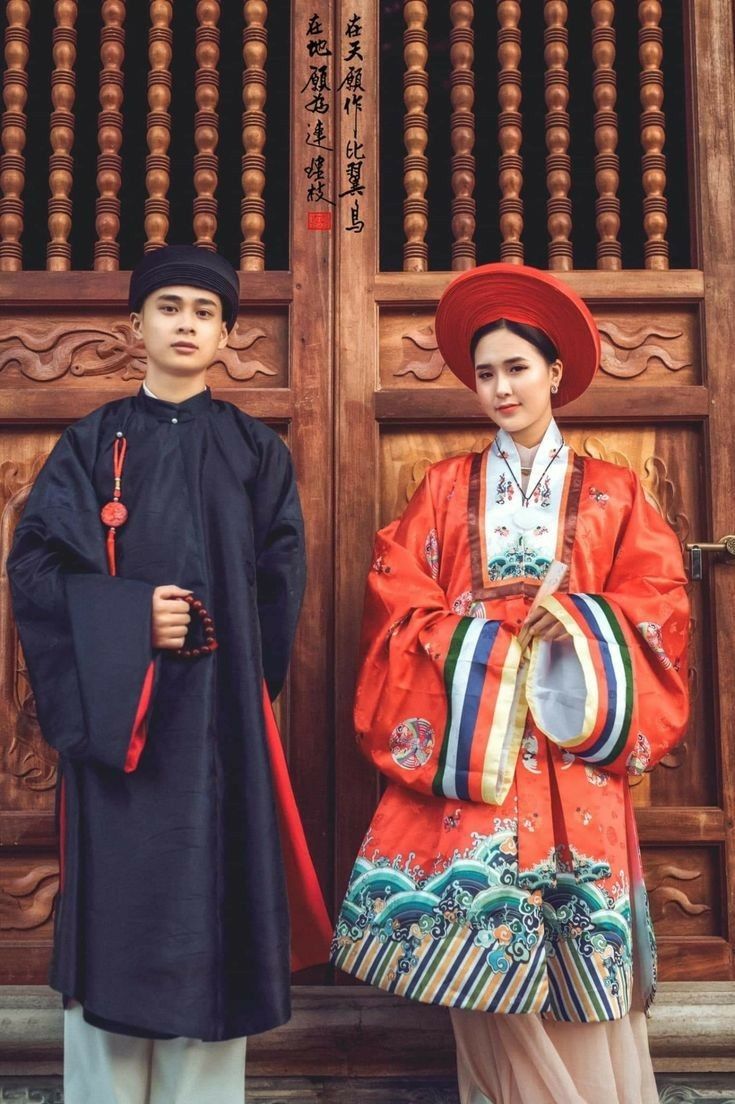
The use of materials is also a significant aspect of Vietnamese clothing. Silk has always been equated with sophistication and especially the aao dai best suits such fabric due to its lightness and elegant flowing of the garments.
In violation of its humid climate, cotton and linen are good options in Vietnam too. They are breathable; hence, they can be used in daily attires.
Conventional fabrics are allowed to be elaborately embroidered, woven, with natural dyes and decorative designs. Such methods give cloths a high sense of place and culture identity.
There is a wide range of color choices. Depending on the occasion and place of origin, bright reds, deep blues, gold, green and pastels can all be seen in Vietnamese clothing.
A frequent blend of these classical elements is with contemporary neutrals and palette-light color schemes of modern designers. This results in fashionable clothing that is culturally influenced without being dated.
Affection to craft is still a major aspect of the fashion society. Crafted details may make clothes unique, and help to/ keep traditional skills and local craftsmen.
These old methods have been revaluated with resurgence as consumers are getting into more meaningful and well manufactured clothing.
Why Vietnamese Fashion Is Gaining Global Attention
The Vietnamese fashion is beginning to be the center of notice beyond the nation due to the fact that it promises a different(unique) thing. Designers can refer to the rich cultural past, at the same time addressing global fashion trends at present.
The balance between modernity and tradition is what interests international viewers most of the time. Or old fashions may be reinvented using modern fabrics, or old Western clothes may be adapted with Vietnamese inspirations and workmanship.
The emerging designers have also had opportunities in Vietnam due to the rising creative industries. Fashion week, online, social media and international partnership enable local talent to access wider audiences.
Another field of increased interest is sustainability. By creating and executing garments carefully, fashion can be done at a slower pace, supported by traditional textile production and handcrafted techniques.
This recent trend of increased popularity of Vietnamese food, art, cinema and culture has also caused more interest in the fashion identity of the country.
With additional designers getting a global presence, Vietnamese style may become a better-known aspect of the world style discussion.
Final Thought
Vietnamese chic is a significant tie between the past and the art of creativity. Conservative clothes like the ao dais are still able to maintain cultural identity whereas modern designers are discovering innovative methods of rewriting heritage in their current wardrobes.
The mixture of graceful lines, fine fabrics, craftsmanship and contemporary design makes Vietnamese clothes be uniquely endowed. The fashion world in the country is a testament to how the two can work in unison as opposed to the country having to make a choice between new technology and following old traditions.
The future of fashion in Vietnam is becoming more and more intriguing as the Vietnamese designers are becoming more and more recognized. The greatest strength of the same could be that it honors the past and makes somethings new in the future.
FAQs
What is Vietnamese fashion best known for?
Vietnamese fashion is best known for the elegant áo dài, traditional textiles, detailed craftsmanship, and the combination of cultural heritage with modern design.
What is the áo dài?
The áo dài is a traditional Vietnamese garment consisting of a long tunic worn over trousers. It is widely associated with Vietnamese cultural identity.
What fabrics are commonly used in Vietnamese fashion?
Silk, cotton, and linen are commonly used, while traditional textiles may also feature handwoven fabrics, embroidery, and natural dyes.
Is Vietnamese fashion only traditional clothing?
No. Modern Vietnamese fashion includes contemporary streetwear, casual clothing, tailored pieces, and designer collections alongside traditional garments.
Why is Vietnamese fashion becoming more popular internationally?
Vietnamese designers combine distinctive cultural influences with modern silhouettes, craftsmanship, and global fashion ideas, giving their work a unique identity.
How can traditional Vietnamese fashion be worn today?
Traditional elements can be incorporated through áo dài-inspired designs, embroidered details, Vietnamese textiles, or accessories paired with contemporary clothing.