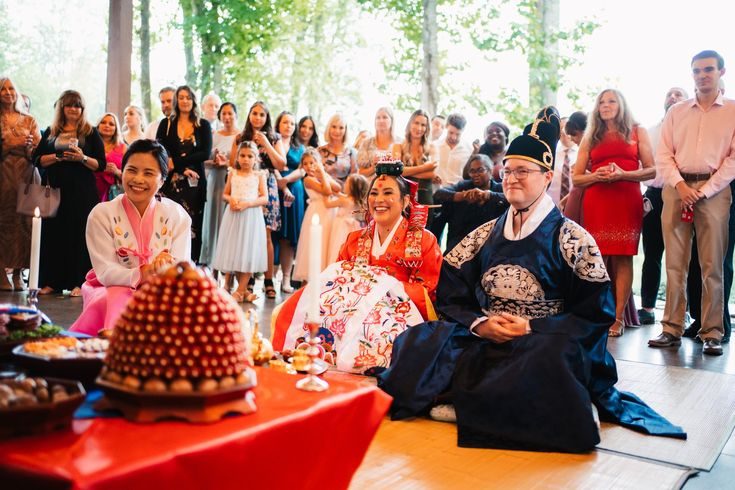
Traditional Korean wedding dress is not just gorgeous ritual garments. It embodies several centuries of Korean culture, family traditions, symbolism and craftsmanship. Being also rich in colors, beautiful figures and pattern, traditional Korean bridal clothes are one of the significant elements of Korean wedding culture.
The most popular traditional clothing is the hanbok that is distinguished by a specific pattern and movement. Hanbok have special variations during weddings that are decorated with colors and patterns that have cultural implications. These clothes form a bridge between the contemporary celebrations and generations of Koreans.
Despite the fact that the wedding in the modern world is nowadays associated with the integration of western-style of dresses and modern suits, the traditional dresses still play a significant role in the wedding ceremonies, photos, and festivities of the culture. Its grace is not just giving to it or to its outlook but also giving to the things told and symbolism paired with each detail of the clothes.
The Main Features of a Traditional Korean Wedding Dress
Emblematic of the elegant lines and comfortable construction of the hanbok, a traditional Korean wedding outfit is usually attributed to the gown. Traditional hanbok of a woman is mostly referred to as a jeogori and is a short jacket over a full skirt known as a chima.
The jeogori is worn with long sleeves and an opening at the front that is fastened with ties. Its length is rather short, which produces a unique proportion in a combination with longer skirt.
The chima is an extension of the waist and forms a beautiful figure. The costumes of Koreans are traditional, meaning that they do not have to be tightly closed as does the western counterparts, for example, the gowns worn by women in the West.
The colors and decorations on wedding hanbok are richer and tend to have more decoration as compared to the normal traditional clothes. The outfit could have a ceremonial look with embroidery, patterned fabrics, decorative ribbons, and color combination.
The ensemble is also complete with accessories. Traditional hair ornaments, decorative pins or other accessories depending on the ceremony and style can in turn be used to add to the formal look of a bride.
The outcome is a wedding dress with the appearance that gives it a distinctive look, but keeping a great correlation to the Korean tradition.
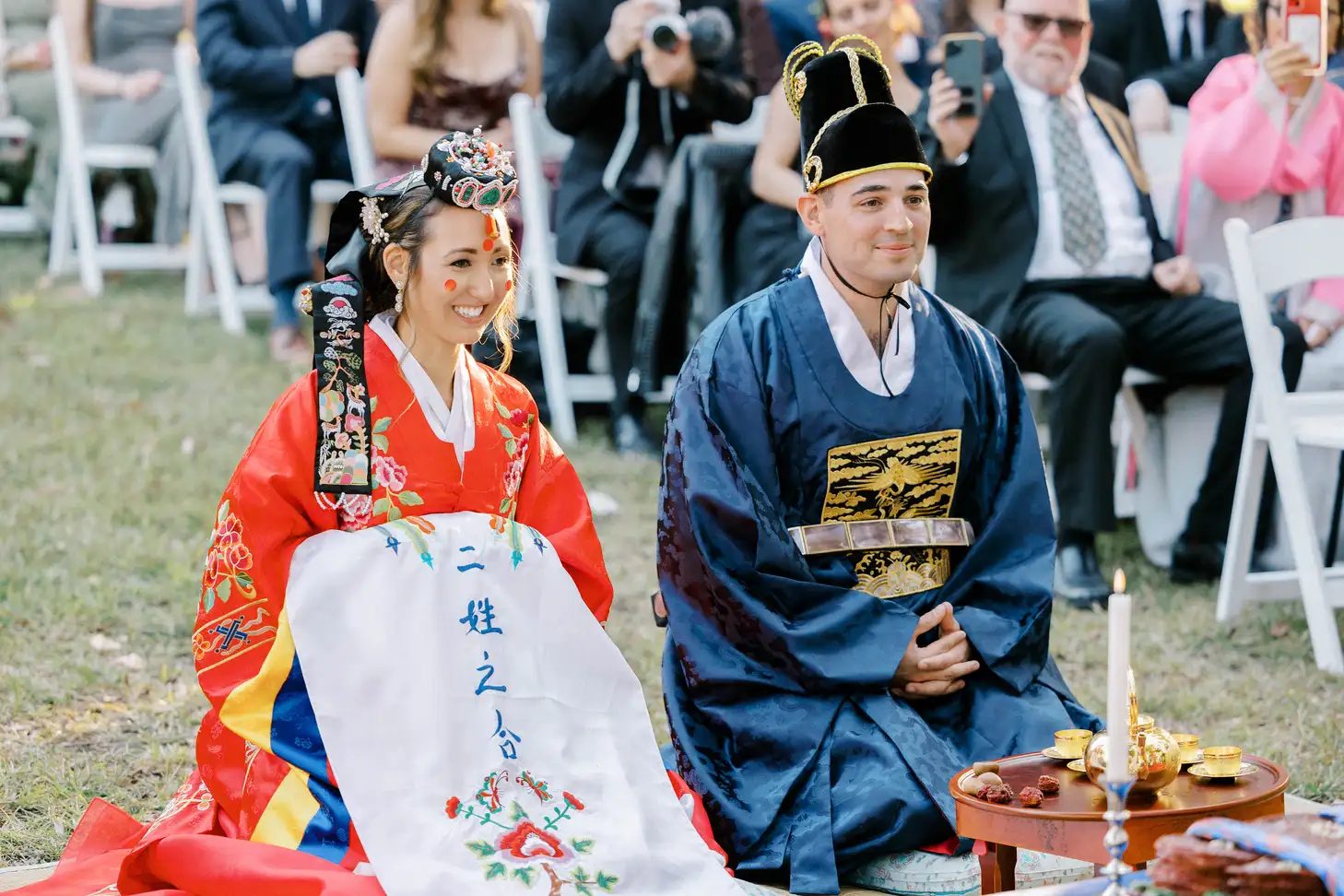
Colors and Symbolism in Korean Wedding Clothing
One of the most significant elements of a traditional Korean wedding dress is color. Color has many functions in Korean traditional clothes, both to convey notions of harmony, prosperity, and good fortune but also for visual appeal.
The color red is often linked with energy, joy and celebration. Traditionally, it has been a significant component in wedding attire and decoration.
Blue could symbolize harmony and balance whereas yellow has always been associated with centrality and honor. The history of white in Korean clothes is long and complicated, as traditionally white was a symbol of purity and simplicity.
Green can even feature in conventional wedding attire and accessories, and can add to the harmonious color schemes that Korean ceremony dress offers.
Hazard Systems Traditional Korean color systems commonly get based on the five elements and the idea of complementary colors. This forms striking visual combinations that do not seem haphazard.
Symbolism can be added through embroidery. The decorative motifs are floral, birds, butterflies and other decorative objects that can signify desires of happiness, longevity, prosperity, or a successful marriage.
Due to these meanings, wedding dress is not simply chosen to see how nice it looks. Every hue and ornament can add to the tale that is being recounted through the rite.
How Traditional Korean Wedding Dresses Are Worn Today
The contemporary wedding in Korea has evolved to great lengths though, the traditional attire is still being used in various shapes. Other couples opt to dress in traditional clothes during part of wedding day and dress in modern clothes during other occasions of the event.
Conventional attire is widely used especially at family centered events and pictures. It opens the possibility of couples who are able to uphold their cultural background at the same time enjoy a contemporary wedding.
The contemporary form of the hanbok designers also uses the old form an adaptation to modern liking. They can work with the few lighter fabrics and simplified ornamentation, color changes, or a bit of alteration in the proportions and an element of Korean dress remains recognizable.
This is a balance between old-fashioned and modern design, which has assisted in keeping the Korean wedding fashion close to young generation.
They are also often donned in cultural events, heritage events, and special family occasions in traditional dresses. They can be used by Korean communities outside of South Korea as a way of keeping in touch with their culture.
The fact that these clothes are still popular proves that classical fashion does not have to die out and remain the same.
Choosing a Traditional Korean Wedding Dress
One must keep the ceremony, the personal taste, the colors, the fabric and the amount of decoration wanted in mind when selecting a traditional wedding outfit in Korea.
Other brides love embellished and brightly colored garments due to their ability to look striking in a ceremony. Some opt to select less complex patterns which bring out the elegant figure and beauty of the cloth.
It is also important that it is comfortable. The wedding may consist of hours of movement so the outfit must permit easy movement.
The choice of fabric can be based on the season. Darker material can be easier to wear during colder climates, and during warmer weather, people can use lightweight materials.
The clothes should be augmented with accessories and not subdued by them. They can be supplemented by traditional hair adornments and jewelry carefully selected to help emphasize the look without taking away focus on the hanbok itself.
There are also a lot of couples using photography in choosing their clothing. Traditional Korean clothes offer a beautiful contrast to the historical sites as well as contemporary wedding venus countries.
Above all, the costume must have a purpose to the one who is wearing it. Wedding dresses can be customized with a touch of family tradition and a touch of individual taste and feel more intimate when they incorporate a wedding dress about a family history, personal preferences, and the importance of the event.
Final Thought
In a traditional Korean wedding dress, there is much more to it than a ceremonial dress. The inspiration of its flowing shape, lively colors, ornamental elements and the symbolism in case of its patterns makes the modern holiday celebrations related to the generations of the Korean culture.
The hanbok is still developing with designers adding new fabrics, colors and styling and remaining true to its nature. It is this blend of traditional culture and innovation that enables Korean wedding clothes to be relevant in the present day world.
The outfit establishes powerful visual links with the Korean culture whether taken in a family party, a wedding photoshoot or in a traditional ceremony. The enduring quality of its sense lies in how the beauty, symbolism, craftsmanship, and heritage are unified in one piece of garment.
FAQs
What is a traditional Korean wedding dress called?
A traditional Korean wedding outfit is generally based on the hanbok. Women’s hanbok commonly includes a jeogori jacket and a chima skirt.
What colors are commonly used in Korean wedding clothing?
Red, blue, yellow, green, and other vibrant shades may appear in traditional Korean ceremonial clothing, with different colors carrying cultural meanings.
What does a Korean bride traditionally wear?
A bride may wear a formal hanbok featuring a jeogori, chima, decorative embroidery, and traditional accessories.
What does the color red symbolize in Korean wedding traditions?
Red has traditionally been associated with happiness, energy, celebration, and positive fortune, making it an important color in ceremonial settings.
Can traditional Korean wedding clothing be worn at a modern wedding?
Yes. Many couples combine traditional hanbok with modern wedding clothing or wear traditional outfits for photographs and specific parts of the celebration.
Why is the hanbok important in Korean culture?
The hanbok represents Korean history, craftsmanship, identity, and cultural heritage. Its distinctive design continues to be celebrated in both traditional and modern settings.