
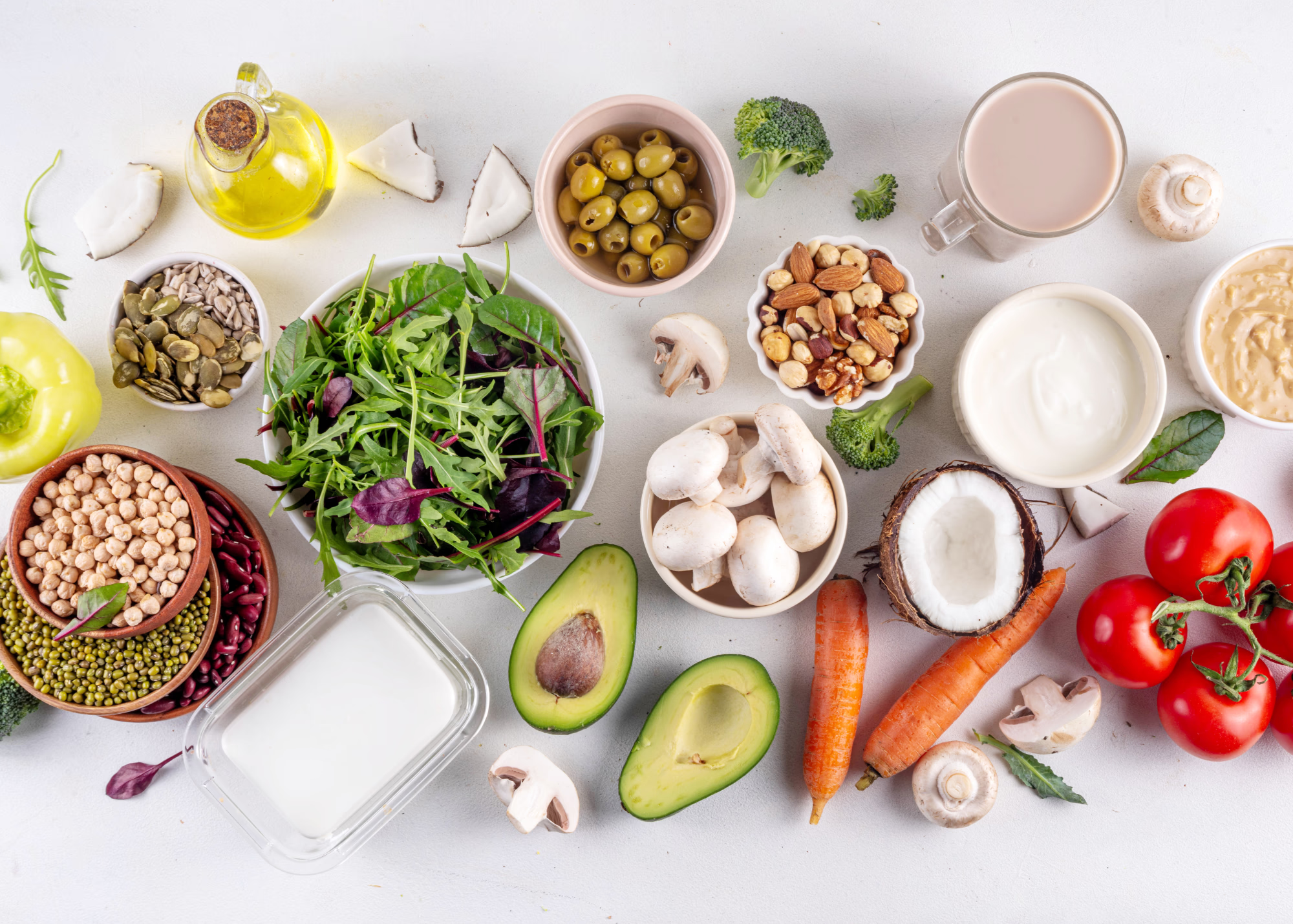
Your menstrual cycle affects far more than just your period. Throughout the month, shifting hormone levels can influence your energy, mood, digestion, cravings, and even your vaginal health. While every body is different, nourishing yourself with the right foods at each phase of your cycle can help support hormonal balance and overall wellness.
Along with eating a balanced diet, many women choose to complement their routine with women’s vitamins that are designed to support intimate wellness. Pairing smart nutrition with daily wellness habits can help you feel your best throughout every stage of your cycle.
Your menstrual cycle consists of four distinct phases, each marked by changing levels of estrogen and progesterone. These hormonal shifts influence how your body uses nutrients, stores energy, and manages inflammation.
Eating foods that complement each phase may help reduce discomfort, support healthy digestion, and promote vaginal wellness.
Menstrual Phase: Focus on Iron and Comfort
The menstrual phase begins on the first day of your period. During this time, estrogen and progesterone are at their lowest levels while your body sheds the uterine lining. Blood loss can reduce iron stores, making iron-rich foods especially important.
Lean beef, spinach, lentils, beans, pumpkin seeds, and fortified cereals are excellent sources of iron. Pairing these foods with vitamin C-rich fruits like oranges, strawberries, or bell peppers helps your body absorb more iron naturally.
Many women also experience inflammation and cramping during this phase, and some find a warm tea for period cramps soothing alongside iron-rich meals. Foods rich in omega-3 fatty acids, such as salmon, walnuts, and chia seeds, may help support a healthy inflammatory response. Since digestion can feel slower during menstruation, consuming fermented foods like yogurt or kefir may support gut health and vaginal wellness.
Follicular Phase: Build Energy With Nutrient-Dense Foods
After your period ends, the follicular phase begins. Estrogen gradually rises, encouraging the development of a mature egg. During this phase, many women notice higher energy levels and improved mood.
This is an excellent time to enjoy colorful fruits and vegetables that provide antioxidants. Berries, citrus fruits, broccoli, carrots, and leafy greens provide vitamins that help protect healthy cells and support immune function.
Complex carbohydrates such as oats, quinoa, and sweet potatoes provide long-lasting energy without causing dramatic blood sugar spikes. Lean proteins like chicken, fish, eggs, tofu, and legumes help your body rebuild and prepare for ovulation.
Foods rich in prebiotic fiber, including onions, garlic, asparagus, bananas, and oats, nourish the beneficial bacteria already living in your digestive system. A healthy gut microbiome may also help support a balanced vaginal microbiome, making this an ideal time to prioritize fiber-rich meals as part of your daily wellness routine.
Ovulation Phase: Prioritize Antioxidants and Hydration
Ovulation is often the shortest phase of the menstrual cycle, but hormone levels reach their peak during this time. Estrogen levels are at their highest, and many women feel energized, confident, and socially active during this time.
Antioxidant-rich foods become especially valuable during ovulation. Tomatoes, blueberries, cherries, leafy greens, and colorful vegetables help protect cells from oxidative stress while supplying important vitamins and minerals.
Healthy fats from avocados, olive oil, nuts, and seeds support hormone production while helping you absorb fat-soluble vitamins. Zinc-rich foods such as pumpkin seeds, chickpeas, and seafood also support normal reproductive function.
Because estrogen levels are elevated, maintaining a balanced diet that includes probiotic-rich foods can further support your body’s natural bacterial balance. Many women also incorporate probiotic supplements into their daily routines to promote vaginal health throughout the month.
Luteal Phase: Manage Cravings With Balanced Nutrition
The luteal phase occurs after ovulation and before your next period. Progesterone increases while estrogen gradually declines. This hormonal shift often brings cravings, bloating, fatigue, and mood changes.
Instead of restricting foods, focus on balanced meals that include protein, healthy fats, and complex carbohydrates. Combining these nutrients helps stabilize blood sugar levels and may reduce intense cravings.
Magnesium-fueled foods like almonds, spinach, black beans, and dark chocolate can support muscle function and may help you feel more relaxed during this phase. Foods containing vitamin B6, like bananas, potatoes, and salmon, also play a role in normal nervous system function.
Supporting Vaginal Health Every Day
While eating in sync with your menstrual cycle can be a helpful strategy, consistency matters more than perfection. A diet rich in fruits and vegetables, whole grains, lean proteins, and healthy fats provides a strong nutritional foundation throughout the month.
Many women also choose to support their wellness routines with women’s vitamins formulated specifically for vaginal health. These supplements are designed to help maintain a healthy balance of beneficial bacteria, complementing the positive effects of a nutritious diet rather than replacing it.
Listening to your body’s changing needs allows you to nourish yourself with intention instead of frustration. By adjusting your meals to match each phase of your cycle and incorporating supportive habits like taking women’s vitamins, you can promote overall wellness while giving your reproductive and vaginal health the care they deserve all month long.