A sweater photographed on a crumpled bedsheet can be hard to judge. Place it against a clean background near a window, and buyers get a clearer view of its color, shape and condition.
Buyers cannot touch the fabric, so the photo has to answer their questions honestly. Apps made to edit body in photos can also smooth a stray crease or clean up a cluttered background, but a listing works best when the garment itself is prepared first. Hiding a stain or a hole only moves the disappointment to the day the package arrives.
Worn or Flat Lay?
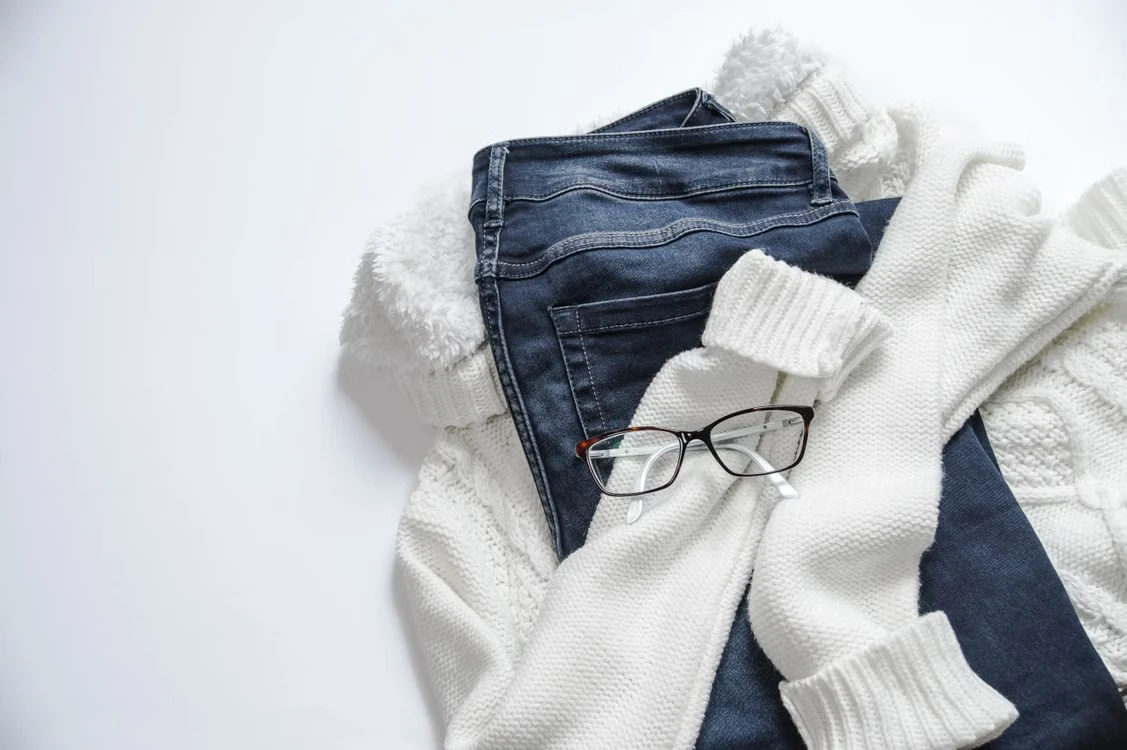
Flat lays are quick and show the whole garment, including its shape and length. They work well for knitwear, T-shirts and accessories, especially on a plain floor or a light-colored sheet. Hanging the item on a door against a plain wall is a middle option that shows drape without a model.
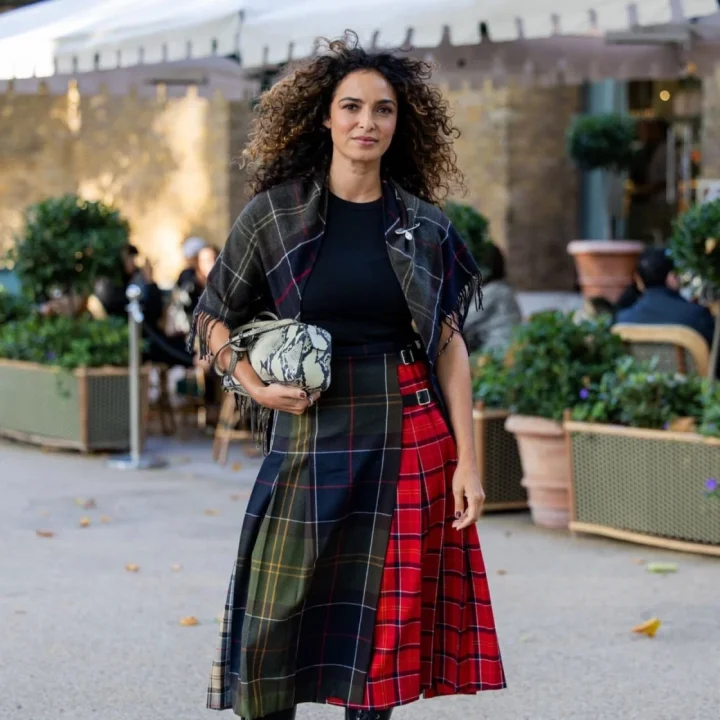
Worn photos show how a piece hangs on a body, which matters for dresses, coats and pants. Your face does not need to be in the shot; a mirror photo from the neck down or a picture taken by a friend is enough. Wear the piece the way it is meant to be worn: tucked, buttoned or belted. A mix often works best: one flat lay for detail, one worn shot for fit.
Edits That Help, Edits That Backfire
Clean and prepare the garment before photographing it: steam out creases, remove lint and stray pet hair. Editing can then correct lighting issues or minor distractions, such as a dim yellow bulb that turned white fabric beige, without hiding the item’s actual condition. Correcting the white balance so a navy coat does not look black belongs in the same honest category.
Edits that hide wear do the opposite. Retouching away pilling, a faded patch or a stain invites disputes and returns, and on many platforms a bad review that follows the seller around. If a flaw exists, photograph it clearly and mention it in the text.
What Buyers Zoom In On
Experienced buyers check the same few areas before deciding. Make sure your photos show:
- the label with the size and fabric composition;
- the underarms and inner thighs, where wear shows first;
- cuffs, collars and hems;
- zippers, buttons and any other hardware;
- the true color, close up and in daylight.
Answering these in photos saves a round of messages and builds trust before the first question is even asked.
Let the Description Finish the Job
Some things a photo cannot show: smell, softness, whether a fabric is warm or thin. The description fills that gap. Give measurements taken flat, mention any flaws you photographed, and say whether the item comes from a smoke-free or pet-free home. For shoes and bags, describe the state of soles, corners and straps.
Keep the language plain. “Worn twice, small mark on the left cuff, see photo 4” tells a buyer more than “excellent condition,” and it makes the photos and the text work as one honest record of the item. A good secondhand listing feels like seeing the item in person. Prepare the garment, correct what the room’s light added, show every flaw that will still be there on delivery, and the buyer opens the package to exactly what they expected.