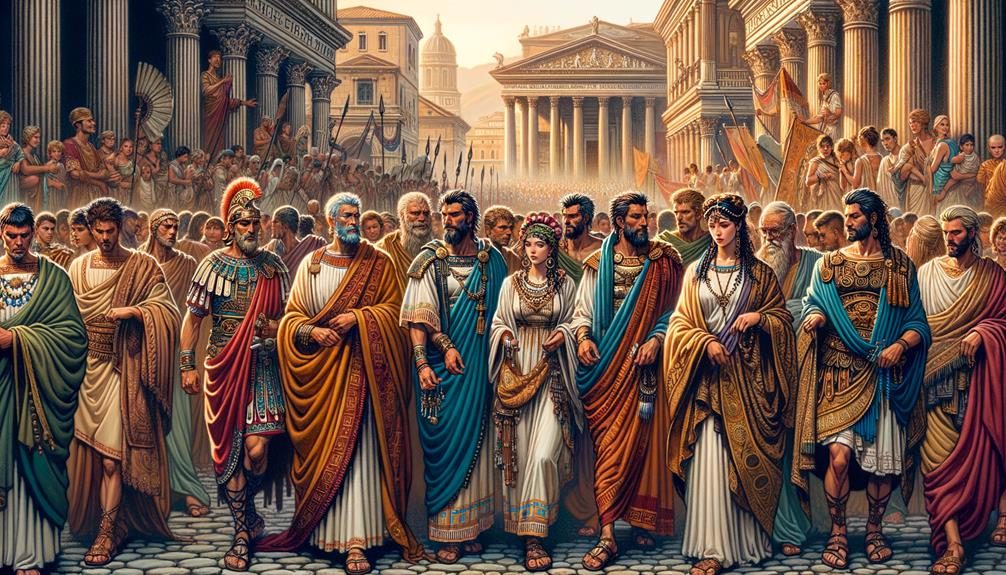
The use of clothing to express identity, affluence, occupation and social status is the interesting aspect of Roman fashion that provides a glimpse of what clothing might mean. Ancient Romans did not wear clothing merely out of comfort. What one wore might tell where one belonged in the society, whether he was a citizen, in business or what and even what he was at the moment.
It was also the influence of various other cultures to the creation of Roman clothing. As the Roman Empire grew, Romans found new fabrics, colors, designs and accessories. These trends led to progressive incorporation into Roman style as traditional clothing had a significant role.
Though clothing was much different in ancient Rome and not at all similar to modern wardrobe, some of the concepts found their way into modern day fashions. Classical Roman style can be linked with draped fabrics, flowing silhouettes, sandals, belts, jewelry, and neutral color palettes.
What Defined Roman Fashion?
Romantic codex fashion was constructed upon the utilitarian clothing that was also capable of reflecting social status. Most of the clothes were not customized as much as modern clothing unlike in Rome. Warps instead were wrapped or folded and pinned or belched around the body.
A tunic was a very widely used garment. Tunics were worn by men and women but their length, adornment, and material might vary according to their social status and event.
Toga was closely related to the citizenship and life of Romans. Men were mostly the ones who wore it and it might be challenging to handle due to the excessive size of fabric. Various styles and ornaments would be able to pass information on the stature of the wearer.
A long garment in form of a dress was commonly worn by women; and it was known as stola. It might be worn over a tunic and with a cloak or shawl.
The quality of fabric was also an issue. Richer Romans were able to afford finer materials, decorative embroidery, and costly dyes, whereas working folks tended to use simpler clothes, created of practical fabrics.
These functional, symbolic and status roles resulted in Roman clothing playing a significant role in daily life in society.
Popular Clothing in Ancient Rome
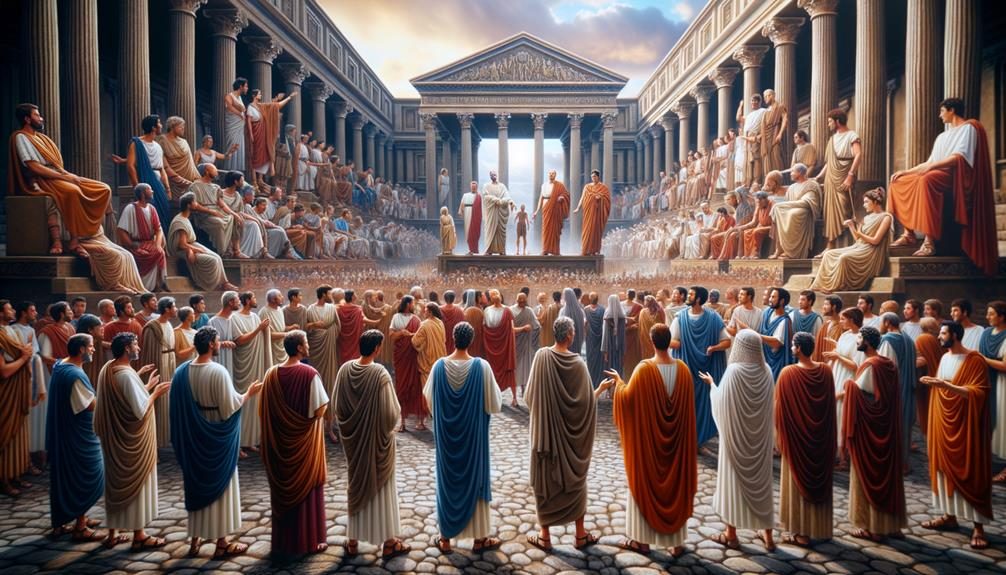
The tunic was probably the most useful Roman garment. It may be worn in isolation or as a complement to other clothing and could be worn in most everyday activities.
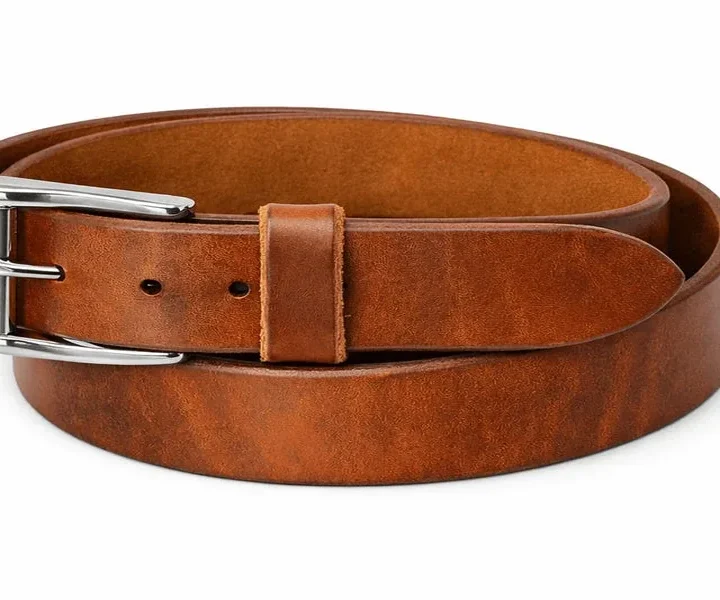
In men tunic was frequently worn in connection with a belt and could change in length based on circumstances. Troops additionally experienced special clothing and protective gears befitting their task.
The toga was more official and turned out to be an effective image of Roman identity. It was typically composed of wool and had to be carefully brought about. It was not intended to work in physical situations, but was significant in governmental and ceremonial.
The stola was a garment that Roman women usually wore, and produced a long and graceful figure. An outer garment was the palla, a large outer garment that could be warmed up and set down on the shoulders, and worn as coverings during outdoor activities.
Both men and women also wore cloaks. They were used to shield against the elements and were allowed to be fixed with ornamental brooches.
Sandals, boots and enclosed shoes were a part of footwear. Simple sandals made of leather were especially handy during warmer seasons whereas more robust shoes served to travel and to be used outside.
Colors, Fabrics, and Accessories in Roman Style
The Roman fashion featured materials prominently. Wool was very common since it was cozy, tough and had relative utility. Warmer climates favored linen and a more luxury material was regarded as silk, which was also becoming more accessible as a result of trading.
Color might also convey affluence and significance. Other dyes were costly to manufacture, so bright or atypical hues might signal as to the social status of an individual.
Purple particularly was a color connoting status and authority. Some of the purple clothes and adornments were tabooed or directly related to significant political and social positions.
Embroidery, decorative borders and patterned fabrics might also be used in Roman clothing. Individuals who were richer could afford more options of wearing dresses that were made costly with details.
Other significant elements of Roman appearance were jewelry. Bracelets, necklaces, earrings, rings, brooches, hair ornaments were worn as decorations and in some cases had a symbolic value.
Personal style was also characterized by hair accessories. Women had the ability to make lavish hairstyles using pins, ribbons and other ornaments, and men tended to keep their grooming with the bare minimum.
These facts demonstrate that Roman appearance was regarding more than just the simple garment.
How Roman Fashion Reflected Social Status
In ancient Rome, information regarding social position could frequently be conveyed through clothing. This accorded fashion a significant element in community life.
An example is the toga which was closely linked with citizenship in Rome and official manhood. Some of the decorative details might signify political or social differences.
The rich Romans were able to afford nicer clothes, jewelry, imported things, as well as hair and clothing help. They might then look quite different than individuals who are not well-endowed.
Females in rich families would also conspicuously demonstrate their status through dresses, jewelry and hair styles and accessories that are made with fineness.
Nevertheless, there were Roman regulations regarding costume and riches occasionally introduced by Roman authorities. These policies tried to regulate the unnecessary expenditures and separate social classes.
Fashion has thus been closely tied to Roman concepts of respectability, classes, citizenship and public behavior.
This association between dressing and identity is applicable today. Profession, lifestyle, culture and personal taste can be conveyed virtually the same through modern fashion.
How Roman Fashion Influences Modern Style
Aspects of old Roman fashion are also present in contemporary style. The flowing shapes, draping styles, and the simplicity of elegance of classical clothes tend to be borrowed by designers.
One such example is draped dresses. They have gentle folds and flowing cloth, which allow them to have a graceful look due to their resemblance with ancient clothing.
Another legacy is Roman-style sandals. Simple designs, leather straps, and flat soles are still able to make it into modern summer wardrobes.
Gold jewelry, decorative brooches, flowing capes, and belted dresses can also produce a classical look, without necessarily having to be a replica of a traditional item.
Contemporary designers usually reconstruct such notions instead of imitating these clothes of ancient times. In modern fabrics, cuts, and construction, the influence of classical is even more comfortable to wear in a normal lifestyle.
Pastel colours of cream, white, beige, brown and dark gold can also make a fancy Roman inspired palette.
A simple nature makes these elements to be lasting. Curving and graceful elements can be fashionable despite the changing of seasons.
Final Thought
Roman fashion has become a significant aspect of the history of fashion as what was put on in ancient Rome meant far beyond what was on the surface. Clothes conveyed citizenship, social status, wealth, profession, and cultural affiliation.
The Roman style incorporated utility and symbolism in the form of practical tunics and formal togas as well as fine clothing of women, sandals in leather, jewelry and richly colored clothing. A lot of these concepts still have an impact on the present designers and fashion lovers.
The popularity of draped garments, sandals, full-skirts, and jewelry in fast fashion demonstrates the ability of the ancient concept to persist thousands of years and be popular. The Roman fashion makes us remember that brilliant fashion is not necessarily based on innovations. In some cases simple shapes, materials and consideration of details result in the most lasting designs.
FAQs
What did people wear in ancient Rome?
Common Roman garments included tunics, togas, stolas, cloaks, sandals, and other practical footwear. Clothing varied according to gender, social status, occupation, and occasion.
What was the most famous Roman garment?
The toga is one of the most recognizable garments associated with ancient Rome. It was particularly connected with Roman citizenship and formal public life.
What colors were popular in Roman clothing?
Roman clothing came in many colors, including natural shades, red, yellow, blue, and purple. Certain dyes were expensive and could indicate wealth or status.
Did Roman women wear dresses?
Yes. Roman women commonly wore long garments such as the stola, often layered over a tunic and paired with a palla or other outer covering.
How does Roman fashion influence modern clothing?
Modern fashion often incorporates Roman-inspired draping, flowing dresses, strappy sandals, classical jewelry, belts, and neutral color palettes.
What materials were used in Roman clothing?
Wool and linen were common materials, while silk and other luxury textiles were available to wealthier Romans through trade.