
A well-made shirt or a merino sweater is meant to last for years. Whether it does depends less on how often you wear it and more on how you wash and dry it. Most fabric damage happens in the laundry room: too much heat, too much detergent, too much tumbling, or a machine that is quietly not working the way it should.
Premium washers and dryers give you far more control than a basic machine. Used well, they are one of the best investments you can make in your wardrobe. Here is how to get the most from them.
Sort by fabric, not just by color
Color sorting prevents dye transfer, but fabric sorting is what protects the garment. Heavy items like jeans and towels rub against lighter fabrics and wear them down. Zippers and hooks snag knits.
- Wash dress shirts, delicates and knits separately from denim, towels and workwear.
- Close zippers, fasten hooks and turn printed or dark garments inside out.
- Use mesh bags for anything with straps, lace or fine knit.
Choose the program, not just the temperature
Modern premium washers offer dedicated programs for shirts, wool, silks, outerwear and more. These are not marketing labels. They change drum rotation, water level, spin speed and rinse pattern to match the fabric.
Miele machines are a good example. Their honeycomb drum is designed to create a thin film of water that cushions fabric against the drum surface, and programs such as Shirts and Woollens adjust the drum movement for each fabric type. The result is less friction, less pilling and fewer stretched collars.
A few rules apply on any machine:
- Cold or warm water is enough for most everyday clothing. Save hot washes for towels, bedding and heavily soiled items.
- Lower the spin speed for shirts and knits. A gentler spin means fewer creases and less stress on seams.
- Follow the care label. If it says hand wash, use the hand wash or wool program, not a regular cycle.
Use less detergent than you think
Overdosing detergent is one of the most common laundry mistakes. Extra detergent does not rinse out fully. It leaves residue that dulls colors, stiffens fabric and irritates skin. In the machine, it builds up in the drum, the door seal and the drain system.
Use the dose recommended for your load size and water hardness, and choose a detergent made for high-efficiency machines. Some premium washers, including several Miele models, can dose detergent automatically, which takes the guesswork out entirely. Use wool detergent for wool and silk, and skip fabric softener on technical fabrics and towels, where it reduces absorbency.
Dry with less heat
Heat is the main cause of shrinkage and fiber damage. The dryer is where most good clothing ages fastest.
- Use low-heat or delicate settings for anything you care about.
- Remove shirts while slightly damp and hang them. They will need far less ironing.
- Lay wool knits flat to dry unless the dryer has a dedicated wool program.
- Do not overload the dryer. Clothes need room to tumble, or they dry unevenly and wrinkle.
Heat pump dryers, now common in premium lines, dry at lower temperatures than conventional vented dryers. They are gentler on fabric and use less energy, but they depend on clean filters to work properly.
Maintain the machines
A washer or dryer that is not maintained will eventually start damaging clothes: leaving residue, smelling musty, overheating loads or leaving them damp. Simple habits prevent most of it.
- Clean the dryer lint filter after every load. On heat pump dryers, also clean the second filter or heat exchanger area as the manual describes.
- Leave the washer door and detergent drawer open after each wash so the seal and drawer can dry.
- Wipe the door gasket and check its folds for lint, hair pins and coins.
- Run a hot maintenance wash with an empty drum about once a month to clear detergent residue.
- Clean the drain pump filter every few months. A blocked filter is a common reason a washer stops draining.
Know when to call a technician
Some problems signal that the machine itself needs attention:
- The washer stops mid-cycle, will not drain or shows an error code that returns after a restart.
- Clothes come out of the dryer damp after a full cycle, even with clean filters.
- The drum makes grinding, banging or squealing noises.
- Water appears under the washer.
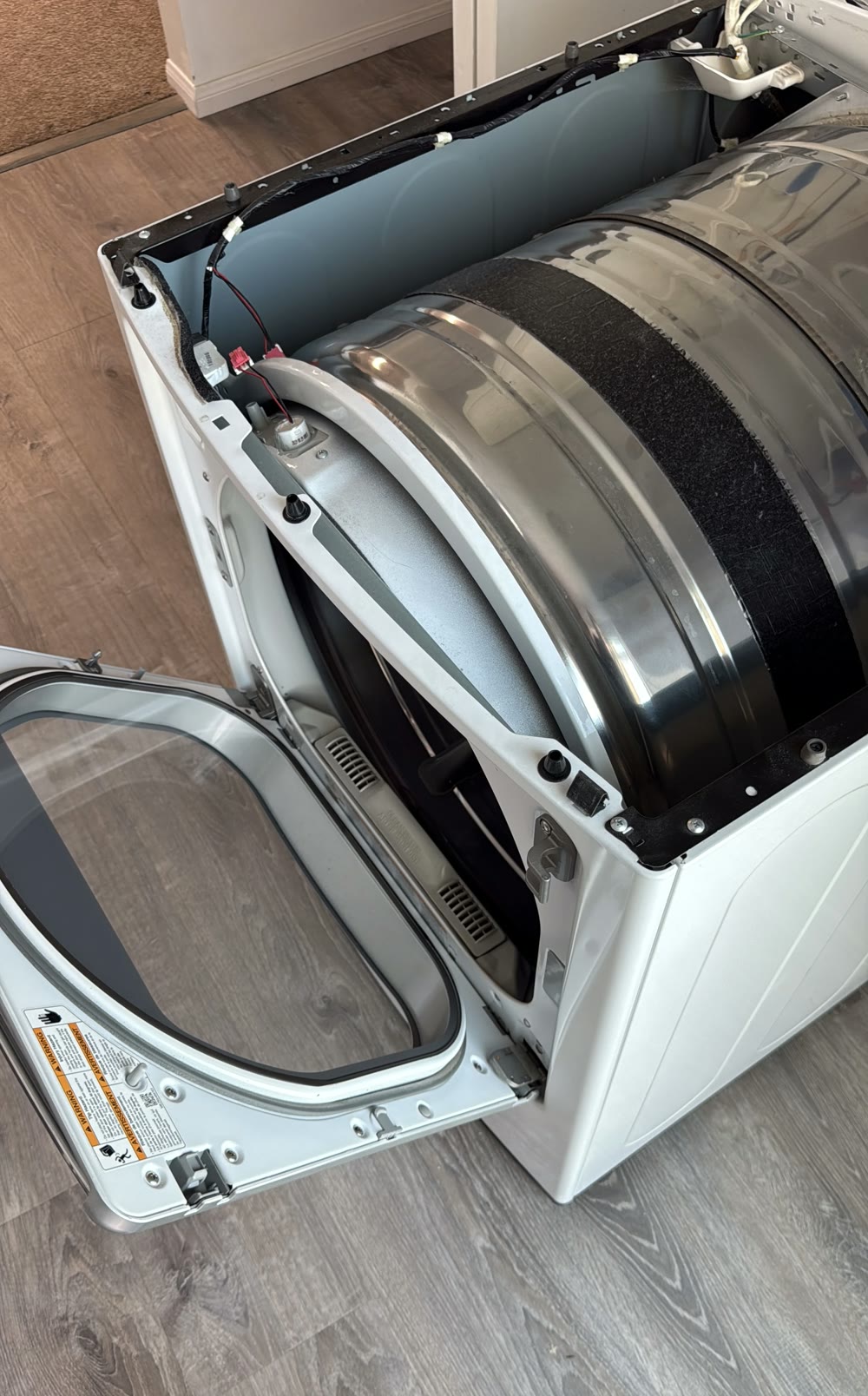
Premium machines are built to be repaired, and a good technician can usually restore them to full performance with original parts. Brand experience matters, since programs, sensors and diagnostics vary between manufacturers. Owners of Miele laundry pairs in Southern California, for example, can turn to specialists in Miele washer and dryer repair who work on these machines regularly.
The takeaway
Quality clothing and quality machines work best together. Sort by fabric, pick the right program, use less detergent and less heat, and keep the washer and dryer clean. Those habits cost nothing, and they will keep your favorite pieces looking right for years.