
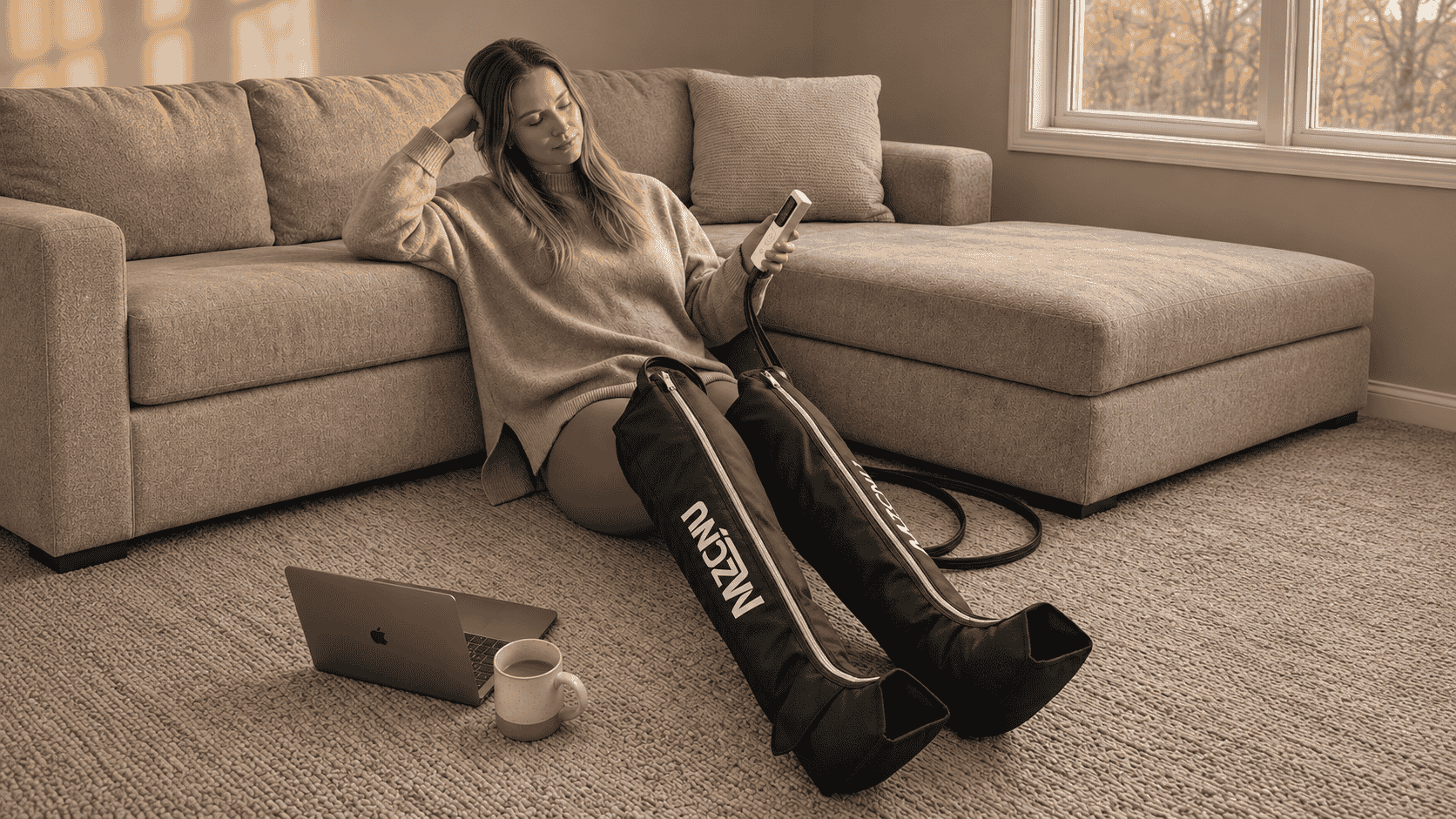
After a long run, a heavy leg day or a full shift on your feet, tired legs can make the evening feel slow. Recovery is the part of fitness that rarely gets attention, yet it decides how ready you feel for the next session. One option many people now add to their routine is compression therapy, and a device such as the MZCNU Leg Massager is a good example of how it works at home.
This guide explains what compression therapy is, why people use it after exercise, and how to build a simple recovery routine around it.
What Is Compression Therapy?
Compression therapy uses gentle, controlled pressure on the limbs. Sports teams, physical therapists and travelers have used compression garments for years. Air compression takes the idea a step further. Instead of a static sleeve, the device inflates and deflates a series of chambers in a set order, usually moving from the foot toward the thigh.
The result feels like a slow, rhythmic squeeze that works along the length of the leg. Many people describe it as similar to a massage, which is why these devices are often grouped with muscle relaxation tools.
Why Recovery Deserves a Place in Your Routine
Training places stress on muscles, and the time between sessions is when the body adapts. Skipping recovery does not make you tougher. It usually just makes the next workout feel harder. A few habits make a real difference:
- Sleep: Aim for a consistent bedtime and enough hours to wake up rested.
- Hydration and food: Water, protein and whole foods give the body what it needs to rebuild.
- Light movement: A short walk or easy stretching on rest days keeps the legs from feeling stiff.
- Relaxation tools: Foam rollers, massage and compression devices help many people unwind tight muscles.
How Air-Chamber Compression Works
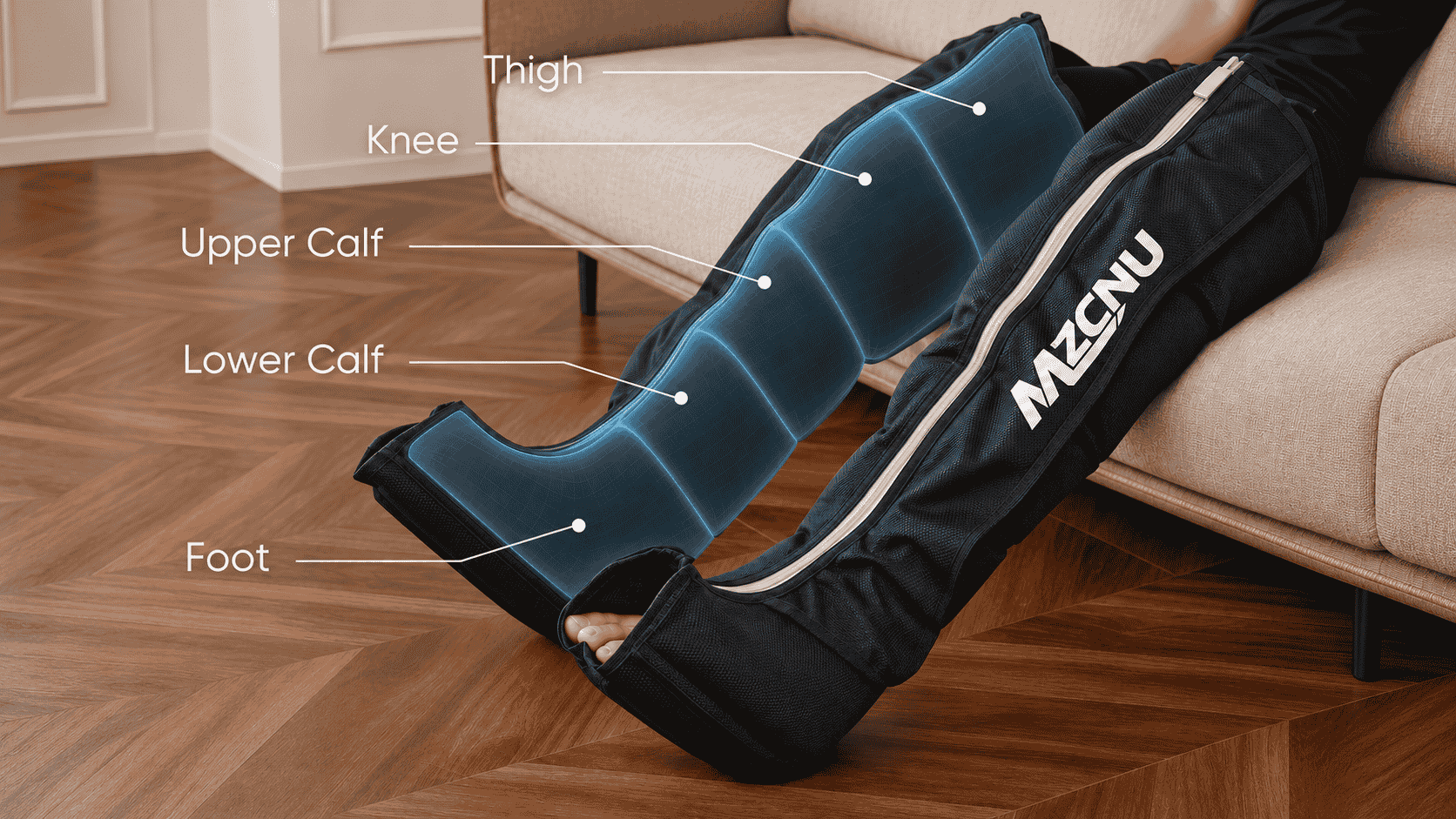
A leg compression massager with multiple air chambers fills each section in sequence. A model with ten chambers can cover more of the leg in smaller steps, which gives a smoother, wave-like feel than a device with only a few large sections. The pressure rises, holds for a moment, then releases before the cycle starts again.
Because the sensation is gentle and repeatable, it fits easily into a quiet evening. You can sit on the sofa, read or watch a show while the session runs, so recovery does not need extra time in a busy day.
Who Might Enjoy It
Compression sessions suit a wide range of lifestyles, not only athletes:
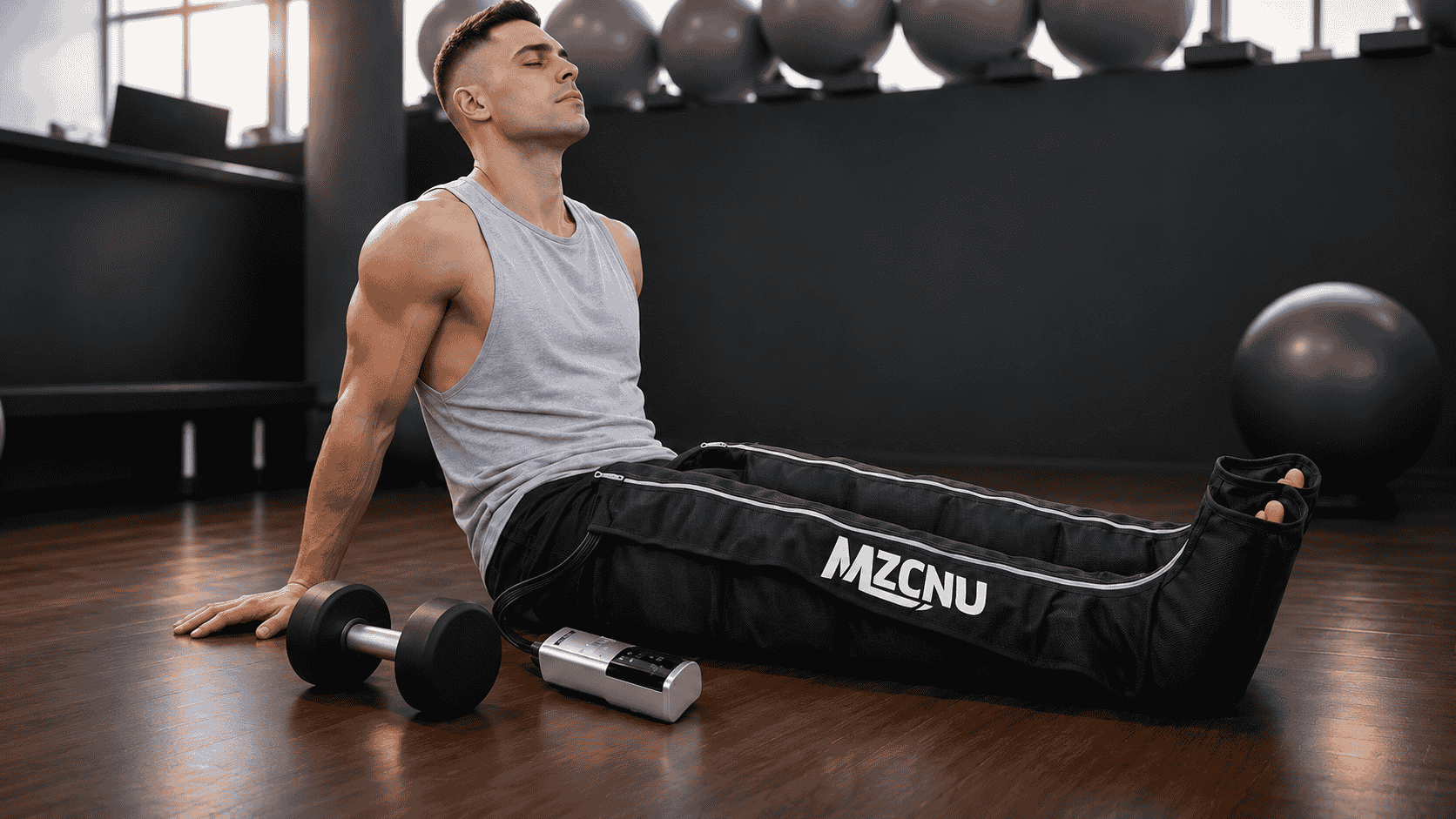
- Runners and gym-goers who want a calming routine after hard training days.
- Cyclists and hikers who spend hours using the same leg muscles.
- Office workers who sit for most of the day and notice heavy, restless legs by evening.
- People on their feet, such as teachers, nurses, retail staff and hospitality workers.
- Frequent travelers who deal with long flights or car rides.
A Simple Post-Workout Recovery Routine
You do not need a complicated plan. Try this sequence after your next demanding session:
- Cool down for five minutes. Walk slowly until your breathing settles.
- Rehydrate. Drink water and have a balanced snack or meal within a couple of hours.
- Stretch gently. Hold each stretch for 20 to 30 seconds without forcing it.
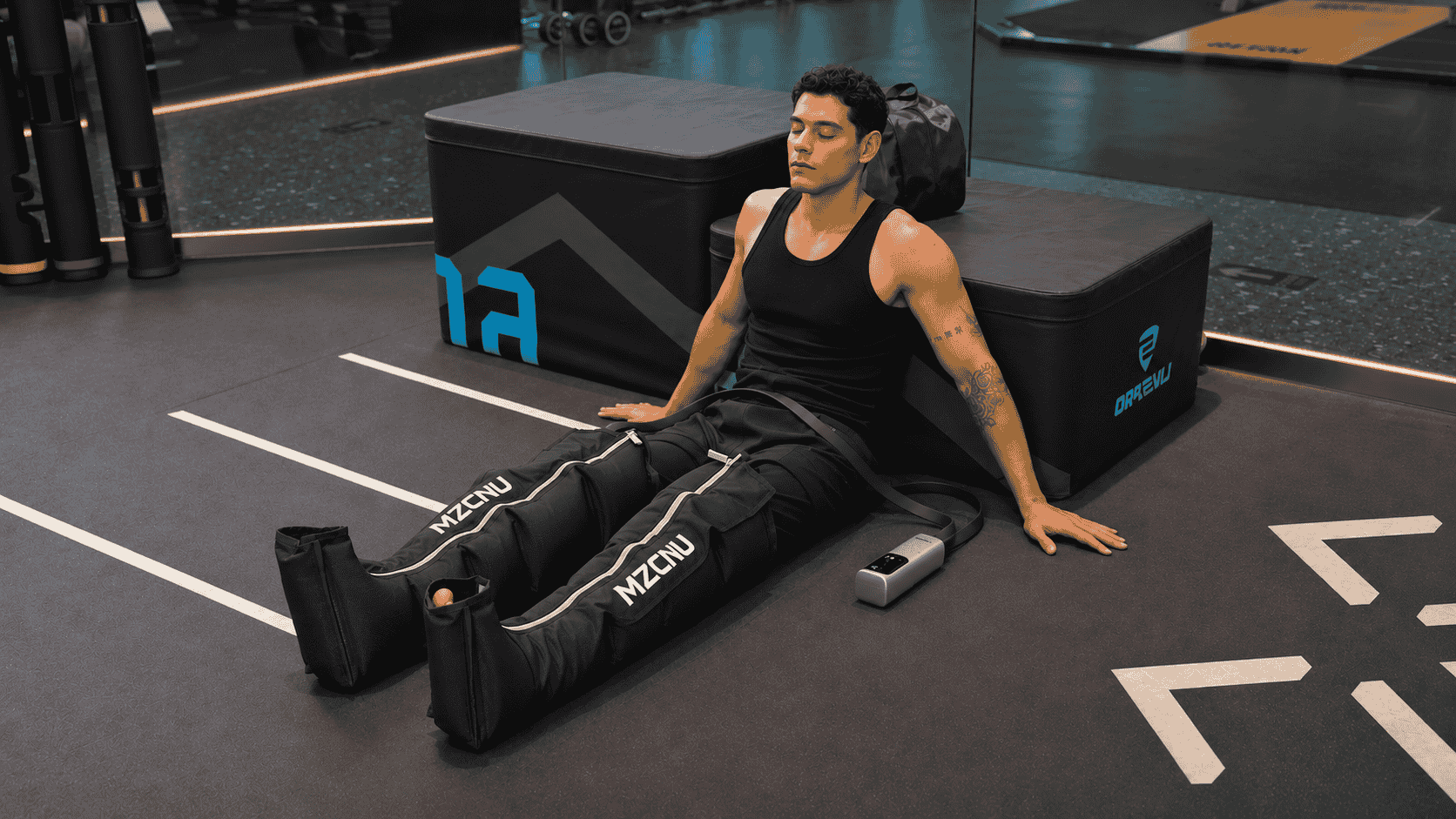
- Use compression. Sit comfortably, put your legs into the sleeves and run a session of about 20 to 30 minutes at a comfortable pressure.
- Rest well. Keep screens low and go to bed on time.
Start with the lowest pressure setting and increase it only if it feels pleasant. The goal is relaxation, not discomfort.
Choosing a Leg Massager That Fits You
If you are thinking about adding a compression device to your wellness routine, a few points are worth checking before you buy:
- Number of chambers: More chambers usually mean a smoother, more detailed sequence along the leg.
- Adjustable intensity: Several pressure levels let you tailor each session to how your legs feel.
- Comfort and fit: Soft, breathable sleeves that close easily make the device pleasant to use every day.
- Ease of use: Simple controls and a quiet motor make it easy to build a habit.
- Portability: A compact unit is easier to store and to take along when you travel.
Safety and Common Sense
A leg massager is a comfort and wellness tool, not a medical treatment. If you have a circulation condition, a history of blood clots, swelling you cannot explain, skin problems or an injury, speak with a doctor before using any compression device. Stop a session if you feel pain, numbness or tingling. If something feels wrong, remove the sleeves and rest.
Final Thoughts
Healthy training is built on more than effort. Rest, sleep, nutrition and relaxation all play a part, and a short compression session can become a calming ritual that tells your body the workout is over. Whether you run marathons, lift weights or simply spend long days on your feet, giving your legs a few quiet minutes each evening is a small habit that can make daily life feel a little lighter.