Blush makeup does not need to match your eyeshadow exactly. The better goal is coordination. When blush and shadow share a similar undertone, depth, or mood, the whole face looks intentional without appearing overly matched. You can choose a soft monochromatic effect with related shades, or create contrast so each feature stands out more clearly. The most flattering result usually comes from balancing color, intensity, and finish across the face. Once you understand that relationship, pairing blush with any eyeshadow look becomes much easier and more consistent from day to day.
Decide Whether You Want Matching Color or Contrast
Use Related Shades for a Monochromatic Look
A monochromatic makeup look works well when your blush and eyeshadow sit in the same color family without being identical. Soft pink lids pair beautifully with rosy or milky pink cheeks, while peachy eyeshadow looks polished with warm coral blush. This approach creates harmony and makes the makeup feel blended from feature to feature. To keep it modern, vary the depth slightly so the face does not look flat. Let one area appear softer and another slightly richer. Matching the mood of the shades matters more than using the exact same color on both areas.
Use Different Shades to Give Each Feature Its Own Role
Using different shades can make your makeup more dynamic and flattering. If your eyeshadow is the focal point, choose a blush that supports it rather than competes with it. For example, strong berry or copper eyes can look better with a softer cheek color in a neutral pink, muted peach, or light beige rose. This separation gives each feature its own role and keeps the face from looking overloaded with one tone. Contrast can also brighten the complexion. The key is to keep undertones compatible, even when the colors themselves are clearly different.
Coordinate Blush With the Eyeshadow You Already Wear
With Pink or Rosy Eyeshadow
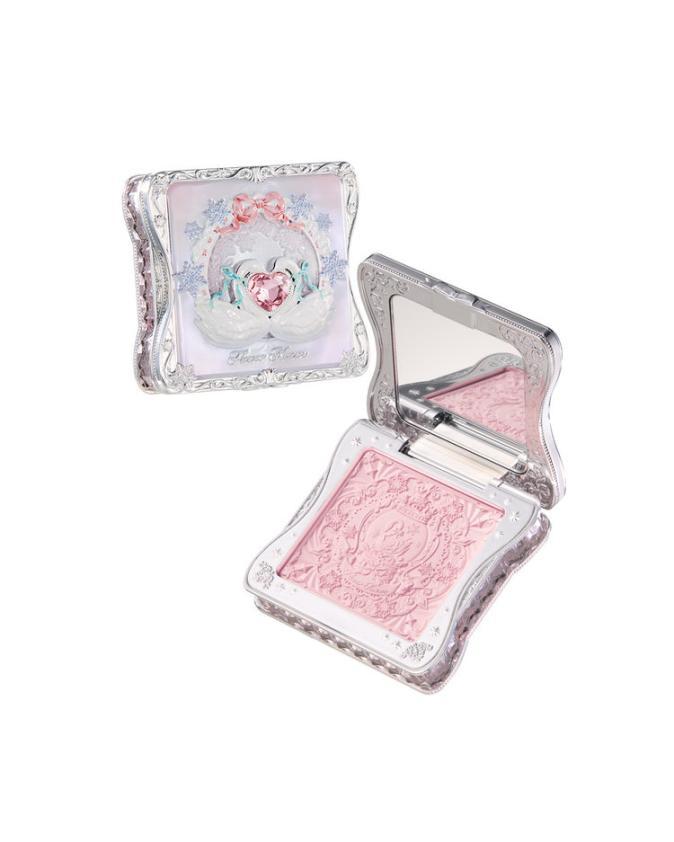
Pink or rosy eyeshadow usually looks best with blush that echoes the same romantic warmth. A soft pink cheek creates an easy link between the eyes and the rest of the face, especially for daytime makeup. Flower Knows Snow Ballet Air Blush in 01 Snowy Strawberry fits this type of look well because it is a soft milky pink with a finely milled powder texture that can be worn alone or layered. That gives you control over intensity. Use a light sweep for pastel eyes, or build it slightly when your rosy shadow is deeper and more defined.
With Neutral Brown or Taupe Eyeshadow
Neutral brown or taupe eyeshadow offers considerable flexibility when choosing blush makeup. Because the eyes are understated, the cheeks can lean pink, peach, rose, or even softly terracotta, depending on your skin tone and lipstick. If you want a fresh everyday look, choose a natural blush shade that mimics the color your cheeks get when slightly flushed. Brown and taupe shadows also benefit from balanced warmth. Extremely cool blush can look disconnected, while overly bright blush can overwhelm the quiet eye. Softly blended mid-tone shades usually create the cleanest, most wearable finish across the face.
With Bold or Highly Reflective Eyeshadow
Bold or highly reflective eyeshadow calls for more restraint on the cheeks. If the lids feature strong jewel tones, dramatic shimmer, or intense metallic payoff, a softer blush usually keeps the face balanced. Choose a shade that supports your undertone rather than mimicking the exact eye color. For warm bold eyes, muted peach or warm rose works well. For cooler dramatic looks, a neutral pink or dusty rose often feels more polished. Texture matters too. When the eyes catch a lot of light, a smoother cheek finish prevents visual competition and helps your eyeshadow remain the clear focal point.
Check the Balance Across the Whole Face
Compare Depth and Intensity in Daylight
Daylight reveals whether your blush and eyeshadow truly work together. A pairing that seems balanced indoors can look too heavy, too bright, or too disconnected outside. Check whether one area dominates the face more than you intended. If your eyeshadow is deep and dramatic, a very pale blush may disappear. If your shadow is soft and sheer, a bold cheek can take over the look. Compare both color depth and saturation, not just the shade itself. A well-balanced face usually has one clear focal point, while the other elements support it without looking washed out or excessive.
Coordinate Finishes Without Making Them Identical
Blush and eyeshadow finishes should relate, but they do not need to be exact matches. If your eyeshadow is matte, a natural or softly luminous blush can add life to the skin. If your lids are very shimmery, a satin or matte blush often creates better balance than another highly reflective product. The goal is visual cohesion, not duplication. Think about how light moves across the face. Too many sparkly areas can look scattered, while all-flat textures may seem dull. Coordinating finishes with intention helps your makeup appear polished, dimensional, and comfortable rather than overly matched or visually busy.
Conclusion
Blush makeup should coordinate with your eyeshadow, not match it exactly. The strongest looks come from choosing shades that share an undertone, similar depth, or a complementary mood. If you want soft harmony, use related colors for a monochromatic effect. If you want more definition, let the eyes and cheeks play different roles while still feeling connected. Also pay attention to finish, intensity, and how everything looks in daylight. When those elements are balanced, your makeup feels cohesive and flattering. A thoughtful blush choice supports your eyeshadow, enhances your complexion, and makes the whole face look more polished.