
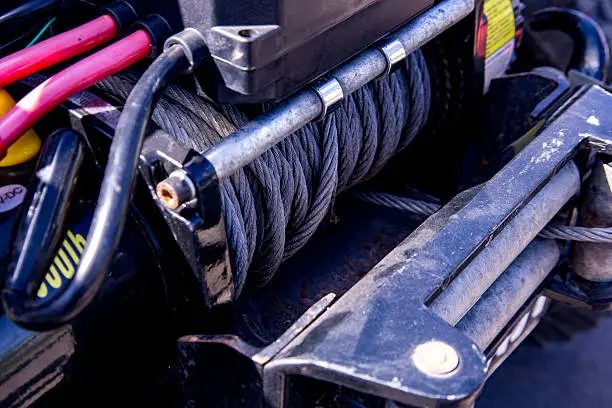
An electric truck winch helps pull vehicles out of difficult situations when tires lose traction or the vehicle becomes stuck. It uses an electric motor to turn a drum that winds a steel cable or synthetic rope. The cable connects to a suitable anchor point and provides controlled pulling force. This setup can help with off-road recovery, trailer positioning, and other demanding pulling tasks.
A 12v truck winch typically draws power from a compatible vehicle battery and electrical system. Its performance depends on several factors, including motor capacity, rated pulling force, battery condition, and cable length. Choosing the right equipment requires more than looking at the maximum load printed on the product. Vehicle weight, recovery conditions, mounting strength, and safe operating practices all matter.
How Do You Size a Winch to Your Vehicle’s Weight?
Winch capacity is one of the first specifications to check before buying recovery equipment. A common starting point is selecting an electric truck winch rated for at least 1.5 times the vehicle’s gross weight. This provides additional pulling capacity for many ordinary recovery situations. However, the actual force required can increase considerably when a vehicle sits in deep mud, faces an incline, or encounters heavy resistance.
For example, a truck weighing 6,000 pounds would have a basic sizing target of 9,000 pounds using this guideline. That figure is not a guarantee that every recovery will be safe or successful. Consider the vehicle‘s loaded weight, expected terrain, and potential recovery angles. A higher-capacity winch may provide more flexibility, but the entire recovery setup must support the forces involved.
Should You Buy a Winch Rated to 1.5x Your Vehicle Weight, or More?
The 1.5-times guideline offers a useful starting point, but some vehicles and working conditions call for additional capacity. Heavy trucks, modified vehicles, and vehicles carrying substantial equipment can place greater demands on recovery gear. Steep slopes and deep mud can also increase resistance during a pull. These conditions make it important to assess the actual recovery environment.
A larger rating does not automatically make every recovery safer. The mounting plate, bumper, electrical connections, cable, and anchor must all handle the expected forces. Operators should also understand how pulling angles and additional resistance affect the equipment. Selecting a winch with suitable capacity and using it within its operating limits helps reduce unnecessary strain.
Harbor Freight Winches: Are They Actually Good Enough?
Budget winches can serve occasional recovery needs when their specifications match the vehicle and working conditions. However, the purchase price alone doesn’t reveal how well a winch will perform under repeated heavy loads. Buyers should examine rated pulling capacity, motor specifications, braking systems, cable quality, weather protection, and warranty coverage. These details help distinguish a suitable entry-level model from equipment that may struggle with demanding work.
The same checks apply when comparing established brands with less familiar manufacturers. A well-known name may offer accessible replacement parts, technical support, or a longer warranty. A lower-cost model may provide useful features for occasional use, but its documentation and service options deserve careful attention. The right decision depends on the expected workload rather than the brand name alone.
Mounted vs. Portable Winches: Which Should You Choose?
A permanently mounted winch is useful for trucks that regularly travel through challenging terrain or handle recovery tasks. Front bumper installations keep the equipment ready for use without requiring additional setup. However, the bumper, mounting plate, and vehicle frame must support the expected pulling forces. A poorly designed installation can create serious structural risks even when the winch itself has sufficient capacity.
Portable winches offer more flexibility for occasional jobs or vehicles without permanent mounting points. A receiver hitch cradle can allow a compatible winch to move between suitable vehicles. This arrangement requires secure attachment points at the front or rear and enough electrical cable for the intended setup. Portable equipment also needs safe storage and protection against damage when it isn’t being used.
Is a Portable Winch Really Easier Than a Come-Along or Kinetic Rope?
Portable electric winches reduce the physical effort involved in pulling a heavy vehicle or object. Their powered drums provide controlled cable movement, which can be useful when working alone or handling repeated tasks. A manual come-along uses a ratcheting mechanism and requires the operator to move the handle through repeated strokes. It may suit short, controlled pulls where electrical power isn’t available.
Kinetic recovery ropes work differently because they stretch and transfer energy during a recovery. They require suitable vehicles, rated recovery points, and enough space for a safe recovery technique. A winch provides a slower, more controlled pulling method without relying on the same momentum-based approach. Choosing between these tools depends on the terrain, available assistance, recovery distance, and operator experience.
Why Running a Winch at Partial Load Can Extend Its Lifespan
Electric winch motors generate heat as they draw power to move a load. Heavy pulls can increase current demand and raise temperatures in the motor, wiring, and electrical connections. Repeated operation without sufficient cooling may contribute to premature wear or equipment failure. Operators should follow the manufacturer’s duty-cycle instructions and allow cooling breaks when required.
Reducing unnecessary resistance can also help the equipment work within its intended limits. Clearing loose obstacles, choosing a suitable pulling direction, and using properly rated pulley equipment can make a recovery more manageable. A snatch block can redirect the cable or create a mechanical advantage when used in a correctly designed setup. These methods require appropriate rigging and do not eliminate the need to monitor heat, load, and cable condition.
What Recovery Gear Should You Carry Alongside a Winch?
A winch is only one part of a complete vehicle recovery system. Supporting equipment helps connect the winch to suitable anchor points and manage the pulling process. A basic recovery kit should include rated shackles, a tree saver strap, protective gloves, and a snatch block where appropriate. Each accessory must have a working load limit that suits the planned recovery method.
A winch damper can help reduce the risk of cable movement if a line fails under tension. A suitable recovery blanket may also serve as an additional safety measure, depending on the equipment and situation. Keep the kit organized so essential items remain accessible during an emergency. Inspect straps, connectors, and cables regularly for visible damage, corrosion, or excessive wear.
Can You Install a Winch in a Truck Bed Instead of the Front Bumper?
A truck bed installation can work for certain pulling and loading applications. It may be useful when moving equipment, positioning cargo, or pulling objects toward the rear of the vehicle. However, a standard truck bed isn’t automatically designed to handle the forces produced by a high-capacity winch. The installation needs a suitable mounting structure connected to appropriate vehicle components.
Think about the direction of the pull before choosing a mounting position. A rear-facing installation may not provide the same recovery options as a front bumper setup. Cable routing, electrical connections, access to controls, and clearance around moving parts also need attention. For heavy recovery work, consult a qualified installer who can assess the vehicle structure and mounting requirements.
How Do You Power a Winch on an Electric Truck? (EV-Specific Considerations)
Electric trucks require additional planning because their traction batteries and low-voltage electrical systems serve different purposes. A typical 12v truck winch isn’t designed to connect directly to a high-voltage traction battery. Its electrical requirements must match an approved power source and the vehicle manufacturer’s installation guidance. Never improvise connections to high-voltage components.
Some electric vehicles use a DC-to-DC converter to supply their low-voltage electrical systems. However, the converter’s available output may not support the substantial current demands of a heavy winch. Before installation, check the vehicle manufacturer’s accessory requirements and confirm that the proposed power arrangement is suitable. An independent, properly rated power system may be an option in certain applications, but it still requires professional electrical planning.
Steel Cable or Synthetic Rope: What Should You Consider?
Steel cable is commonly used on recovery winches because it offers resistance to abrasion in many demanding environments. It can be suitable for applications involving rough contact, provided the cable receives regular inspection and proper maintenance. However, steel cable is heavy and can develop sharp broken wires that create injury risks. Gloves and careful handling are important whenever operators work near the cable.
Synthetic rope is lighter and often easier to handle during recovery work. It can simplify installation and reduce the weight carried at the front of a truck. However, synthetic lines need protection against abrasion, sharp edges, heat, and harmful exposure. The right choice depends on the working environment, maintenance requirements, and compatibility with the winch drum and fairlead.
Which Features Matter When Comparing a 12V Truck Winch?
Pulling capacity should remain the starting point when comparing different winch models. After confirming capacity, examine cable length, motor specifications, line speed, and the control system. A wireless remote can offer more freedom when positioning the operator away from the pulling line. A wired remote provides a direct connection but requires attention to cable routing and operating distance.
Weather protection is another useful specification, especially for trucks exposed to rain, mud, and dust. Check the stated protection rating rather than assuming every electric winch offers the same resistance. Also review the supplied mounting hardware, installation instructions, and replacement part availability. These details can affect the equipment’s suitability for long-term use.
Safe Operating Practices for Heavy Vehicle Pulling
Safe winching starts with inspecting the equipment before connecting the cable. Check the mounting points, cable condition, remote controls, and electrical connections. Position the vehicle securely and use an appropriate anchor that can withstand the expected forces. Keep bystanders away from the pulling line and avoid standing directly in line with a tensioned cable.
Operate the winch in accordance with its manual and avoid sudden, uncontrolled pulling. Never exceed the rated capacity of the winch or any recovery accessory. Monitor the cable as it winds onto the drum to prevent uneven buildup or tangling. If the equipment shows signs of overheating, damage, or unusual operation, stop and investigate before continuing.
Frequently Asked Questions
What size electric truck winch do I need for a full-size pickup?
Start with a winch rated for at least 1.5 times the truck’s gross vehicle weight. Consider additional capacity for heavy loads, steep terrain, and difficult recovery conditions.
Can a 12V truck winch drain my vehicle battery?
Yes. Heavy winching draws substantial electrical current and can reduce battery charge. Follow the manufacturer’s operating instructions and check your vehicle’s electrical capacity before installation.
Is a wireless remote useful for truck recovery?
A wireless remote allows operators to control the winch from a suitable position away from the equipment. It can improve positioning flexibility, but safe operating distance and visibility remain essential.
Can I use a truck winch for loading trailers?
Yes, a suitable winch can assist with certain trailer loading tasks. Confirm the required pulling force, mounting strength, cable alignment, and compatibility with the trailer before use.
How often should I inspect my electric truck winch?
Inspect it before and after demanding recovery jobs. Check the cable, mounting hardware, electrical connections, and remote controls, and follow the manufacturer’s maintenance schedule.