In the fast-paced hospitality industry, seeing a bustling dining room on a Friday night is every restaurateur’s ultimate objective. However, high foot traffic alone does not automatically guarantee strong bottom-line profitability. Between rising food inventory costs, labor expenses, and fluctuating operational overhead, running a successful restaurant requires a growth model that pairs culinary excellence with strategic operational efficiency.
To transform casual walk-ins into high-margin revenue, restaurant leaders must evaluate every touchpoint of their business—from front-of-house spatial design to digital marketing strategies. Here are four proven strategies to optimize your venue, attract more diners, and significantly boost your overall profitability.
1. Optimize Spatial Layout and Elevate the Dining Ambiance
Your dining room layout directly impacts your hourly seat turnover, guest comfort, and total daily cover capacity. Overcrowding floor plans with static, bulky furniture creates unpleasant bottlenecks for waitstaff and can make diners feel cramped, cutting visits short before they order dessert or an extra cocktail.
To maximize floor space without sacrificing guest intimacy:
- Prioritize Flexible Seating Configurations: Swap out rigid four-top tables for versatile two-top setups that can easily be combined to host larger dinner parties or pulled apart for pairs.
- Incorporate Continuous Banquettes: Perimeter booth seating eliminates wasted clearance space behind individual chair legs, pulling dining zones tightly against walls while keeping central walkways wide and clear.
- Invest in Quality Commercial Furnishings: Upgrading your interior finishes—such as installing sleek, durable restaurant table tops—instantly elevates the visual warmth of your venue while enduring relentless daily sanitation and heavy guest turnover.
- Layer Lighting Architecture: Dimmable, warm LED fixtures and focused task lighting over dining areas create an inviting, memorable ambiance that encourages guests to linger over multi-course meals.
When your space is designed intuitively, servers navigate effortlessly, orders move faster, and guests enjoy a seamless, high-end experience from entry to check out.
2. Engineer Your Menu for Speed and Profitability
An overly expansive menu is one of the quickest ways to slow down kitchen prep times, confuse arriving guests, and inflate food waste. Menu engineering is the art of evaluating dish performance based on profitability and popularity, allowing you to curate an offering that performs at peak efficiency.
Analyze sales data from your Point-of-Sale (POS) system to categorize items into high-margin bestsellers, high-volume favorites, and low-performing dishes. Prune slow-moving plates that require complex, unique prep work or expensive raw ingredients. Instead, focus on a streamlined selection of signature offerings that your culinary team can execute flawlessly during intense dinner rushes. Highlighting your most profitable dishes using bold typography, visual accent boxes, or strategic placement on the top-right section of menu cards naturally guides customer choices and drives higher average check sizes.
3. Master Local Online Visibility and Digital Engagement
Before a customer ever steps foot inside your restaurant, they are almost guaranteed to evaluate your brand online. Modern diners rely heavily on visual social proof, mobile menus, and local search engine queries when deciding where to eat.
To capture digital-first diners:
- Claim and Update Local Search Profiles: Ensure your Google Business Profile, Yelp, and TripAdvisor listings feature up-to-date operating hours, accurate location tags, and direct links to your online reservation system. Optimizing for local search queries ensures you appear at the top of results when nearby hungry patrons search for popular local spots.
- Leverage High-Impact Social Media Content: Showcase mouthwatering video reels of daily culinary specials, behind-the-scenes kitchen craftsmanship, and energetic dining room moments across platforms like Instagram and TikTok.
- Encourage Customer Reviews: Politely prompt satisfied guests to share their experience online via receipt QR codes or table talkers. Promptly responding to all feedback shows potential diners that your management team values customer care and continuous improvement.
4. Empower Front-of-House Staff to Deliver Exceptional Service
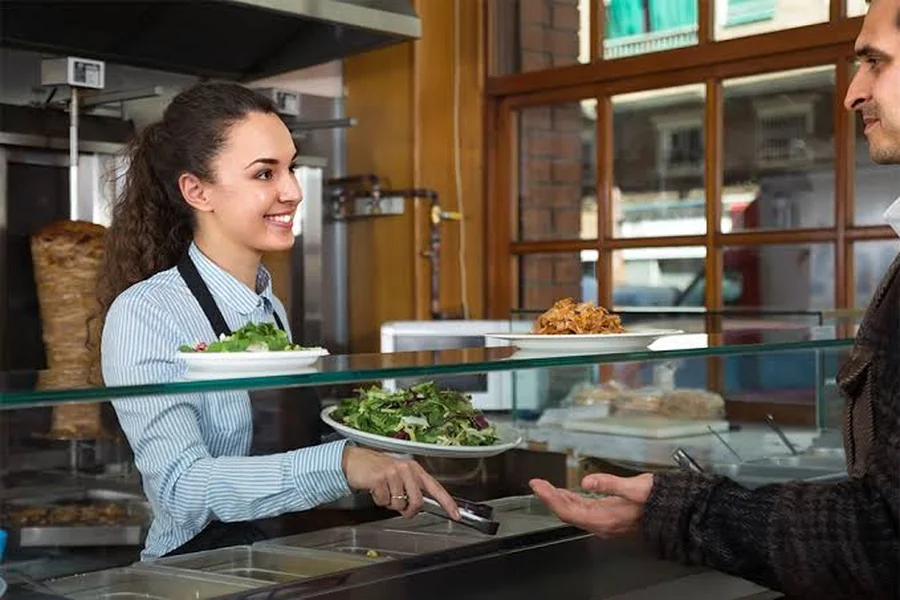
Exceptional, attentive hospitality turns first-time visitors into passionate brand advocates. Staff members who feel valued, well-trained, and supported perform faster, make fewer costly service mistakes, and deliver memorable dining experiences.
Implement comprehensive onboarding and cross-training programs so team members can comfortably step into multiple roles during peak hours or unexpected labor shortages. Empower servers with thorough product knowledge so they can comfortably recommend wine pairings, spotlight high-margin appetizers, and upsell premium desserts. Simple, personalized touches—such as remembering a returning guest’s favorite drink order or recognizing special occasions—create a sense of community that keeps patrons returning week after week.
Driving Sustainable Commercial Success
Scaling a restaurant business doesn’t require a complete structural overhaul overnight. By focusing on intentional, steady improvements—optimizing floor circulation, engineering a focused menu, boosting digital visibility, and empowering your staff—you create an efficient operational engine. When every detail of your dining environment works in harmony, empty seats turn into full tables, and high customer volume translates directly into healthy, sustainable profit margins.